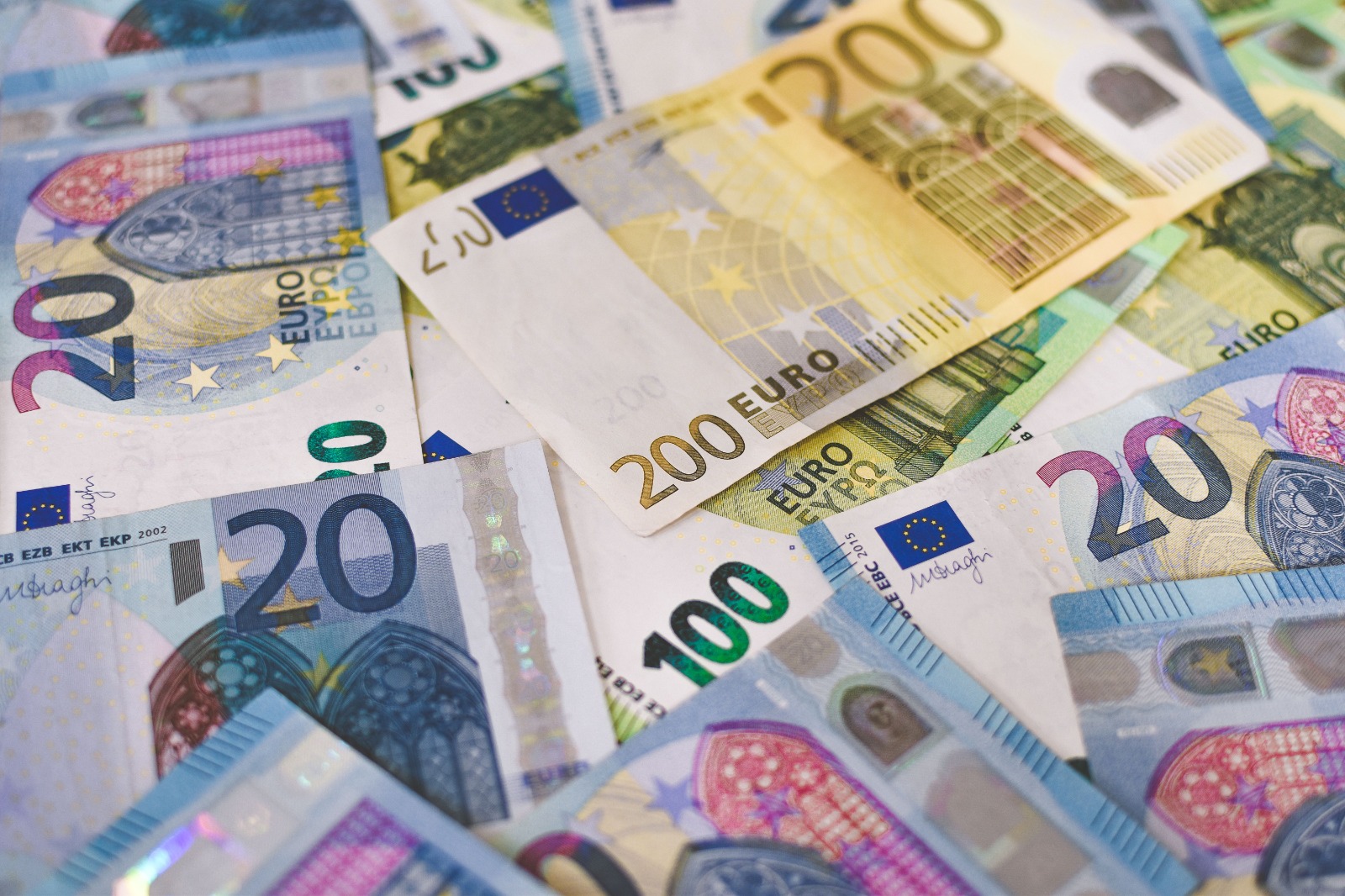
The euro has fallen around 2% this month to below $1.14, moving close to its lowest levels of the year. The decline has occurred alongside renewed strength in the US dollar, supported by higher US Treasury yields and expectations that the Federal Reserve could maintain a restrictive policy stance.
Rising energy prices have added another challenge for the European economy. Brent crude has moved above $106 a barrel as uncertainty surrounding Middle East supply routes continues to affect energy markets. Higher oil prices can increase transportation and production costs across the region and potentially place renewed pressure on inflation.
Europe's exposure to imported energy makes the development particularly significant for businesses and consumers. A prolonged period of elevated energy prices could weaken household purchasing power while increasing operating costs for manufacturers, transport companies and other energy-intensive industries.
Political developments are adding to the uncertainty. Germany is facing pressure following strong performances by the far right in recent state elections, while concerns over French public finances and political gridlock are also weighing on market sentiment, according to Reuters.
The combination of energy costs, political uncertainty and monetary-policy divergence has complicated the euro's outlook. While the European economy has shown greater resilience than some earlier expectations suggested, analysts are questioning how long that resilience can withstand another significant energy shock.
The currency's performance also has implications beyond foreign-exchange markets. A weaker euro can increase the cost of imported commodities and energy, potentially adding to inflationary pressure. At the same time, European exporters may benefit from improved price competitiveness in international markets.
Investors will therefore be watching energy prices, European political developments and the relative paths of the European Central Bank and Federal Reserve.
The euro's next phase is likely to depend on whether Europe's economic resilience can withstand higher energy costs while political uncertainty remains elevated. A sustained improvement in energy conditions could ease some pressure, while further supply disruptions could prolong the currency's vulnerability.