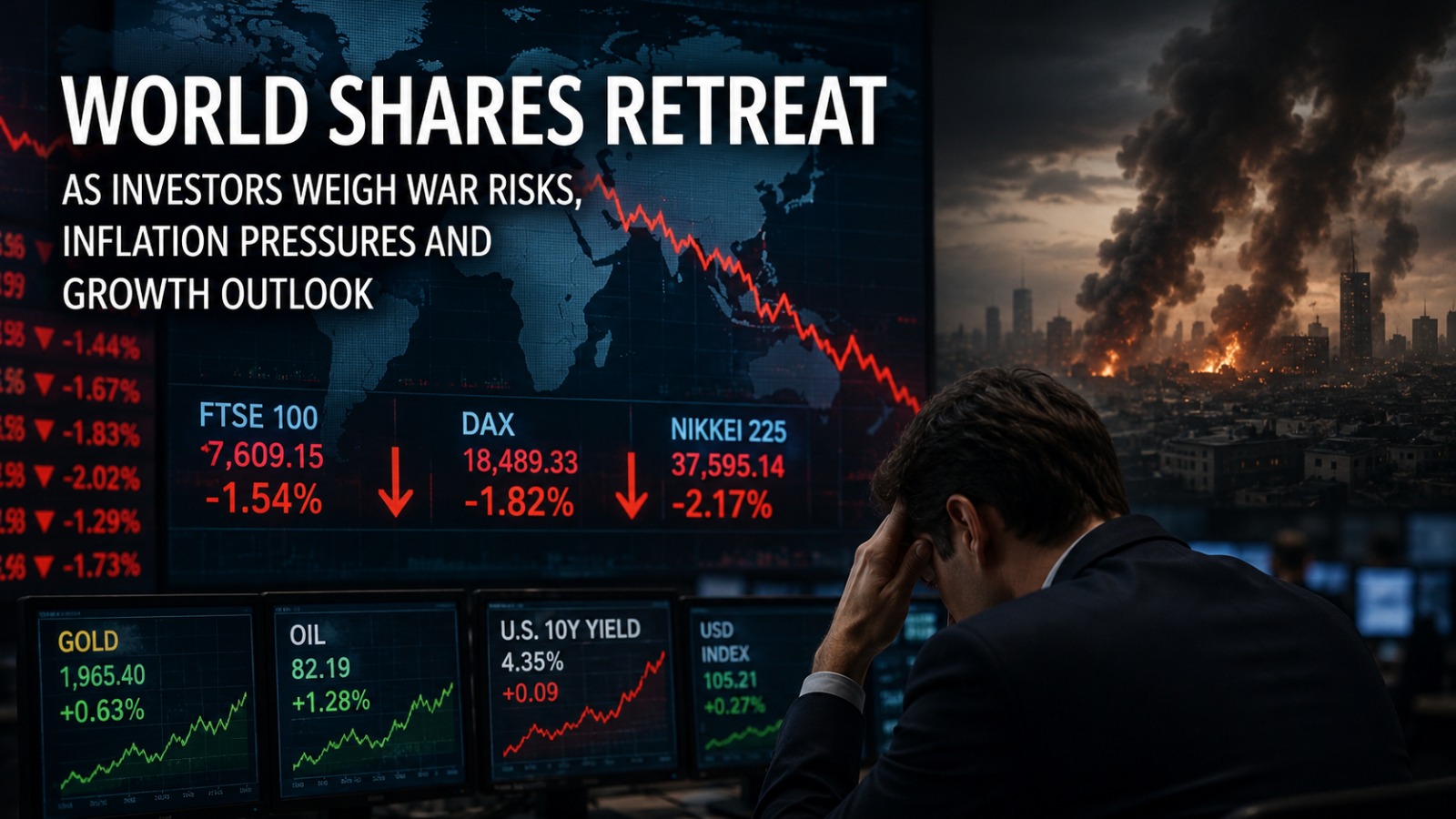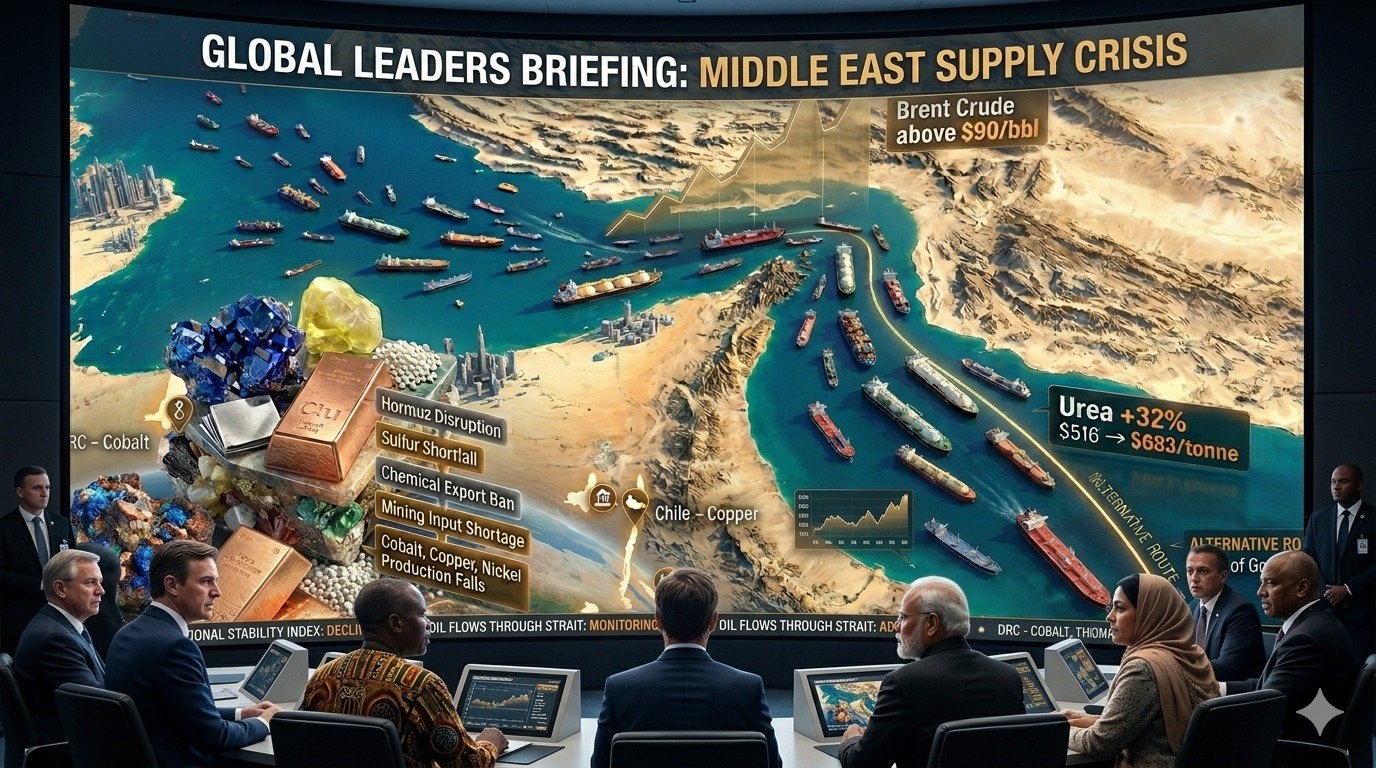
The recent easing of hostilities has helped stabilise financial markets after a period of heightened volatility driven by concerns over energy supplies, shipping routes and broader geopolitical risks. However, policymakers caution that significant uncertainties remain.
The situation has highlighted the degree to which regional developments can influence economic conditions far beyond national borders. Energy markets, trade networks and financial systems remain highly sensitive to geopolitical developments affecting strategic regions.
International leaders have intensified diplomatic engagement in an effort to prevent further escalation and maintain stability in global commerce. Several governments have also reviewed contingency plans designed to mitigate potential disruptions to energy imports, transportation networks and critical supply chains.
Financial markets have responded positively to signs of de-escalation, with investors showing greater willingness to allocate capital toward risk-sensitive assets. Nonetheless, economists warn that confidence remains fragile and dependent on continued diplomatic progress.
Businesses operating across multiple jurisdictions continue monitoring developments closely. Many multinational corporations have strengthened risk-management frameworks following recent disruptions, reflecting the growing importance of geopolitical analysis in corporate decision-making.
The broader economic implications remain significant. Energy costs, inflation expectations and investment flows can all be influenced by changes in geopolitical stability, affecting businesses and consumers worldwide.
International organisations continue emphasising the importance of dialogue, economic cooperation and conflict prevention as tools for preserving both security and economic growth.
For global markets, the coming weeks may prove critical in determining whether recent improvements in sentiment evolve into sustained stability or whether renewed tensions once again challenge economic confidence and international trade.