For much of the post-Cold War era, globalization was largely driven by efficiency. Businesses optimized supply chains around cost, speed and scale, while policymakers focused on expanding market access and cross-border investment. Today, however, resilience is emerging as an equally important priority.
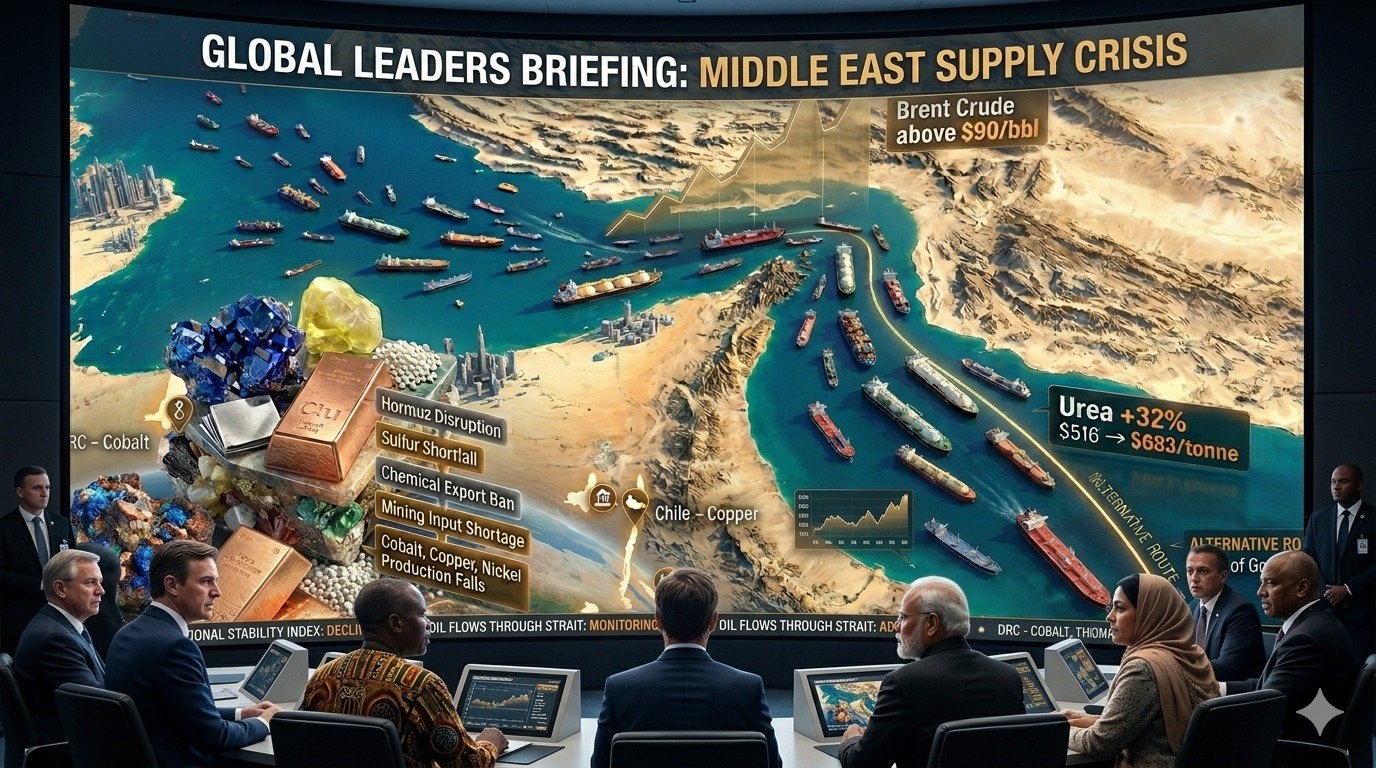
Recent disruptions ranging from pandemic-era supply shortages to geopolitical conflicts and technology restrictions have exposed vulnerabilities within highly interconnected economic systems. As a result, governments are placing greater emphasis on securing critical industries, strategic resources and essential infrastructure.
The shift is visible across multiple sectors. Countries are investing heavily in domestic semiconductor production, energy security initiatives, critical-mineral supply chains and advanced manufacturing capabilities. Industrial policies that were once viewed as exceptional are becoming increasingly common across major economies.
For businesses, economic security considerations are influencing long-term investment decisions. Supply-chain diversification, nearshoring and strategic inventory management are now frequently discussed at board level. Companies are weighing not only financial returns but also exposure to geopolitical and regulatory risks.
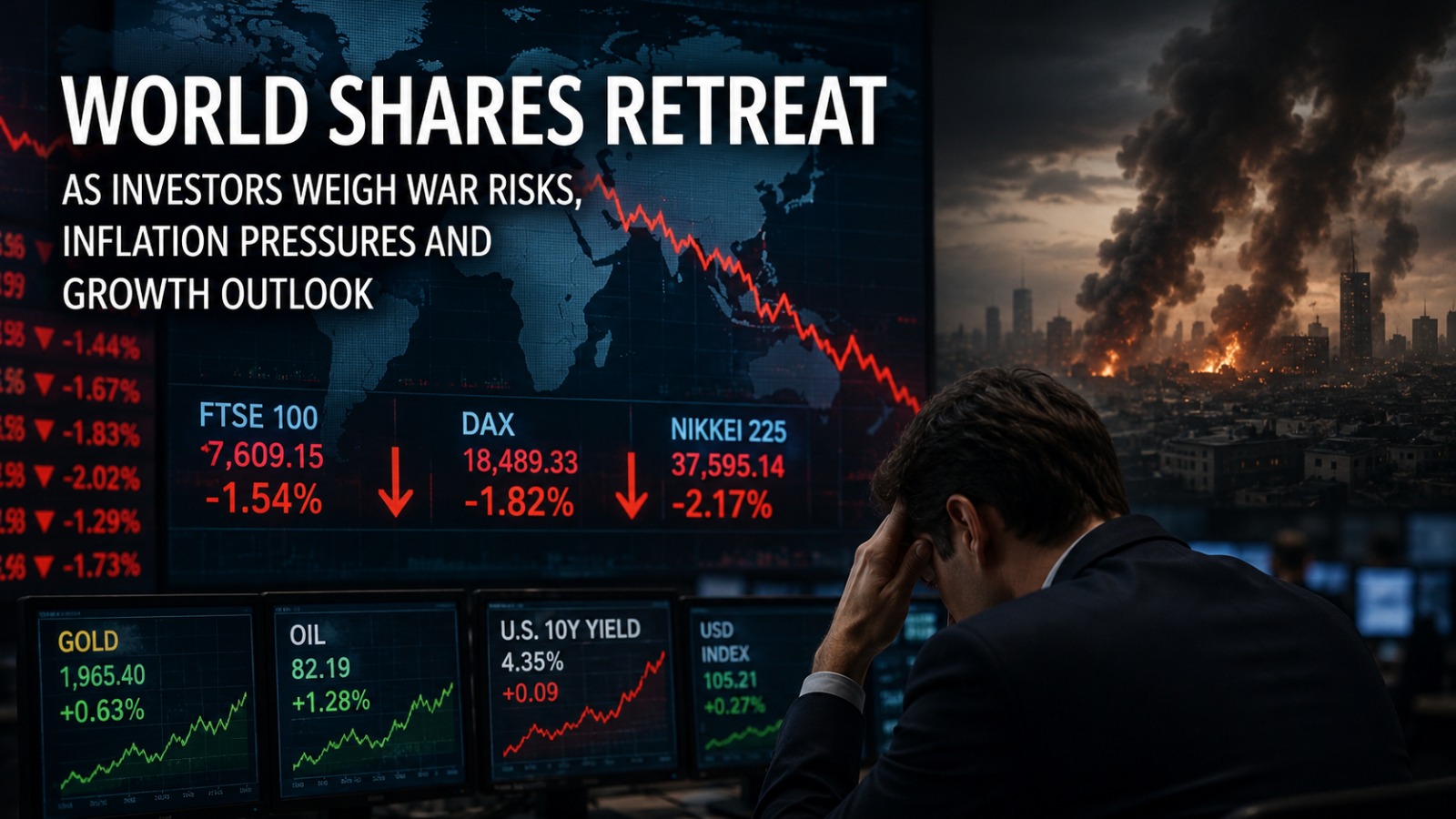
Investors are also adjusting. Political developments increasingly influence market valuations, sector outlooks and capital-allocation decisions. Strategic industries linked to energy, defence, technology and infrastructure have attracted growing interest as governments expand support for national competitiveness objectives.
The implications extend beyond advanced economies. Emerging markets capable of providing stable investment environments, critical resources and strategic manufacturing capacity may benefit from evolving global trade patterns.
At the same time, fragmentation carries risks. Reduced economic integration can increase costs, weaken efficiency and create new barriers to growth. Policymakers therefore face the challenge of balancing resilience with openness.
The broader trend suggests economic security is no longer a niche policy concern. It is becoming a central framework through which governments and businesses evaluate trade, technology and investment opportunities in an increasingly uncertain global environment.