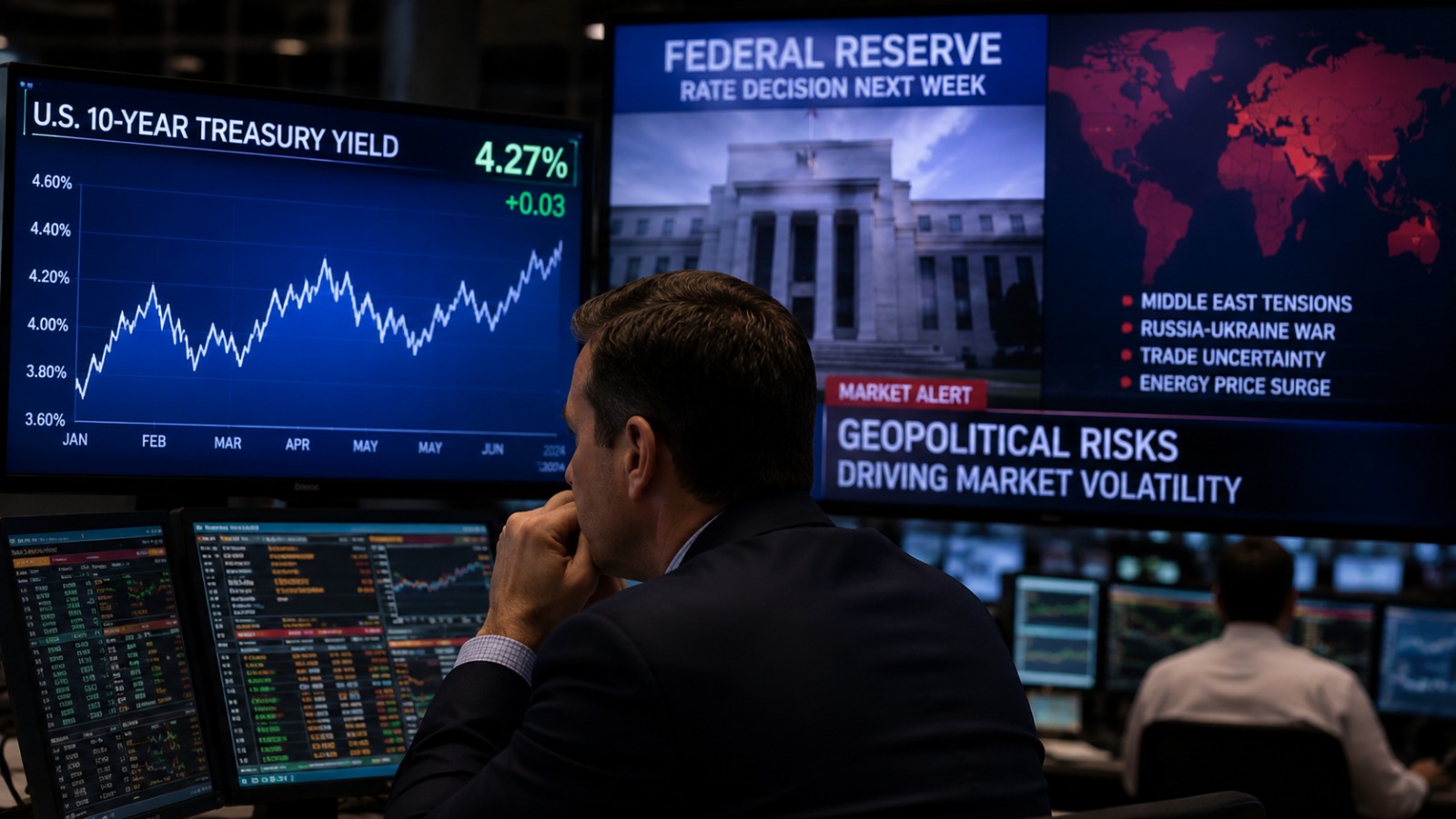
The currency's advance reflects a broader market view that borrowing costs may remain elevated for longer than previously anticipated. Investors are increasingly cautious about the prospect of rapid monetary easing, particularly as inflation risks remain influenced by energy markets and geopolitical uncertainty.
A stronger dollar carries significant implications for global finance. Emerging-market economies often face additional pressure when the U.S. currency appreciates, as debt servicing costs rise and capital flows become more concentrated in developed markets.
Currency movements are also influencing corporate earnings and international trade. Multinational companies with significant overseas operations may face translation effects on revenue, while importers and exporters continue adjusting pricing strategies to reflect exchange-rate fluctuations.
Financial institutions are closely monitoring the impact on sovereign borrowing costs and capital allocation decisions. Rising dollar strength can affect investment flows into developing economies, potentially influencing infrastructure projects, corporate financing and public-sector borrowing plans.
Economists note that currency markets increasingly reflect a combination of monetary policy expectations and geopolitical considerations. Investors are seeking safe-haven assets amid uncertainty, reinforcing demand for the dollar during periods of market volatility.
The implications extend beyond financial markets. Currency fluctuations affect commodity pricing, consumer purchasing power and business confidence across multiple sectors of the global economy.
For policymakers, the challenge lies in managing domestic economic objectives while responding to external market conditions that remain largely beyond their control.
As investors await additional economic data and central-bank guidance, currency markets are likely to remain highly sensitive to inflation signals, growth expectations and geopolitical developments that continue shaping global capital flows.