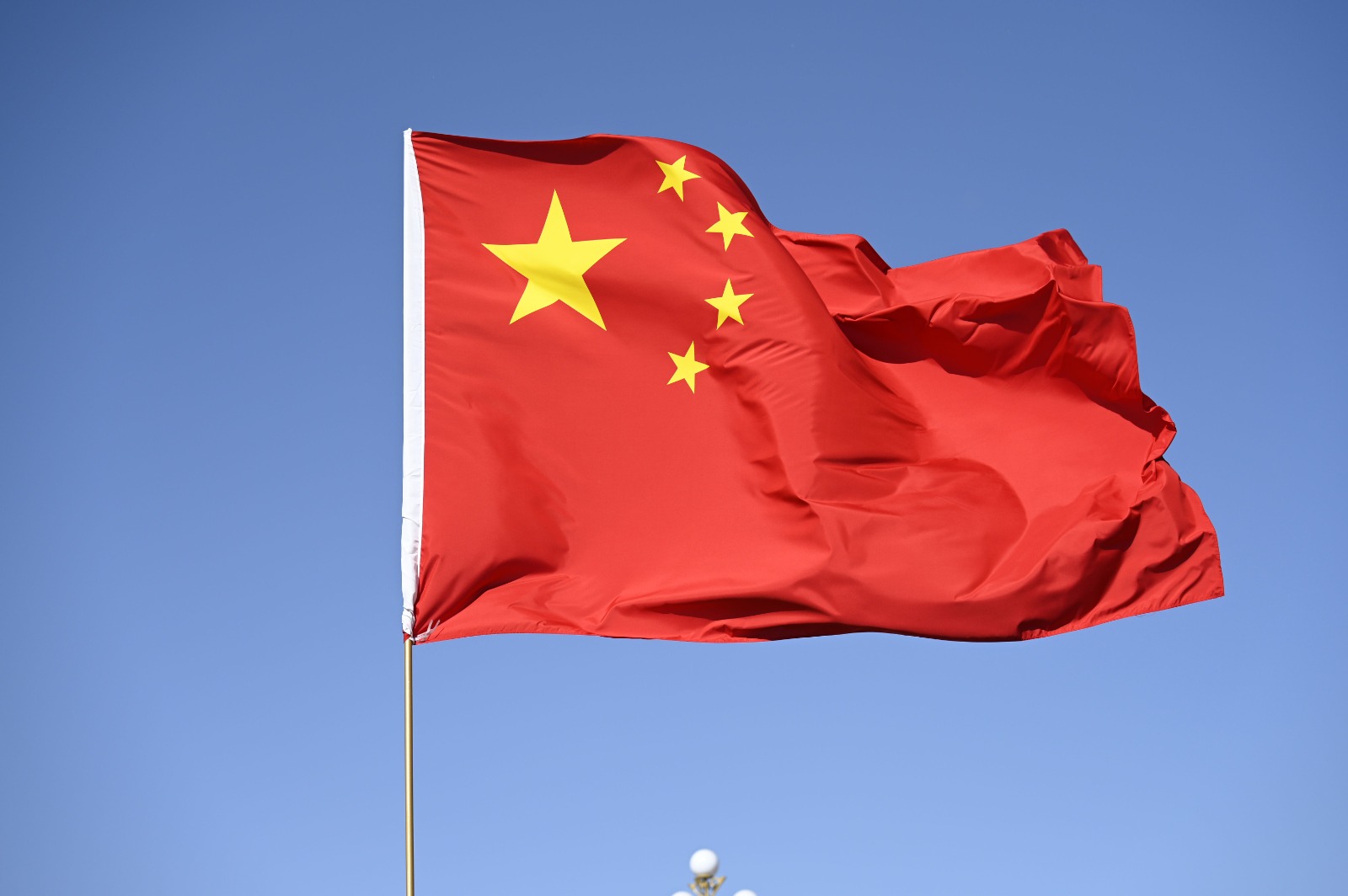
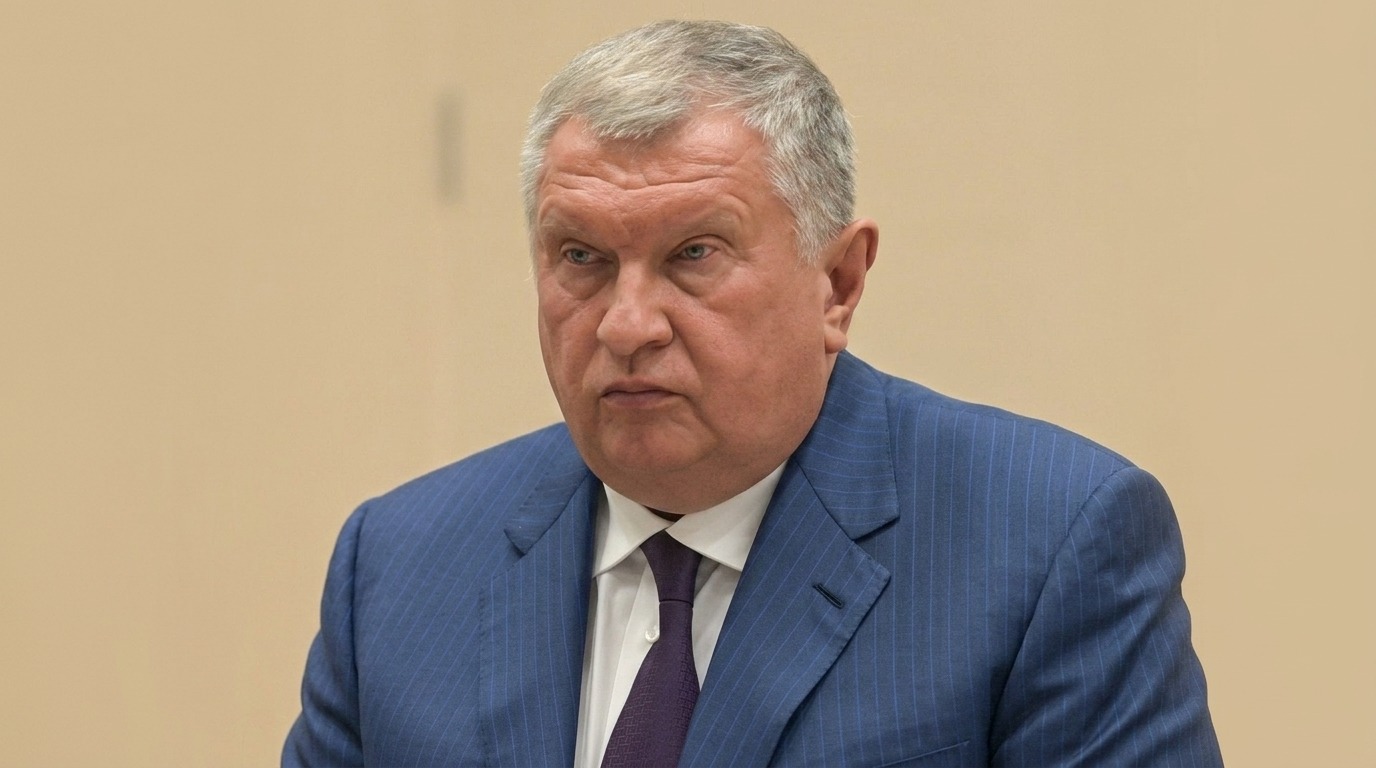
Speaking at a Russian-Chinese business forum in Vladivostok, Sechin said China's strategic reserves and changing crude-import requirements have allowed the country to play a stabilising role in global oil markets. He argued that China's influence now exceeds that of the traditional producer group in determining market dynamics.
The argument reflects a broader transformation in the global oil system. China is not a major crude producer on the scale of Saudi Arabia, Russia, or the United States, but it is the world's dominant industrial consumer and one of the largest oil importers. Its purchasing decisions therefore have consequences far beyond its domestic market.
Strategic stockpiling gives Beijing another source of influence. Decisions to increase or reduce purchases can alter international demand at moments when supply conditions are already tight. Refinery activity, inventory management and import policy can consequently become market-moving signals.
The development also coincides with questions about OPEC's long-term influence. Producer coordination remains important, but the rise of non-OPEC supply, changing demand patterns and increasingly strategic behaviour among major consumers have complicated the cartel's traditional role.
China's relationship with Russia adds another dimension. Moscow remains heavily dependent on energy exports, while Beijing has become an increasingly important destination for Russian commodities. The relationship creates a strategic alignment between a major producer and a major consumer outside Western energy institutions.
Yet Sechin's assessment is also politically significant. Russia has historically had a complicated relationship with OPEC and has frequently balanced cooperation with competition. Presenting China as the decisive force in global energy markets therefore supports Moscow's broader strategic emphasis on deepening economic ties with Beijing.
The implications extend to energy security. If China increasingly manages oil imports as a strategic financial and geopolitical asset, future price formation could become less dependent on producer decisions and more sensitive to Chinese purchasing behaviour.
Aldrenor Intelligence View: The key shift is not necessarily that China has replaced OPEC, but that energy power is becoming more distributed. Producers, consumers, strategic reserves and shipping routes are increasingly interacting as instruments of geopolitical influence.