China’s economy grew by 4.5% year on year in the third quarter of 2026, recovering from 4.3% growth in the previous quarter and exceeding economists’ expectations, as export performance and improving retail activity helped support output. Data released by the National Bureau of Statistics showed that gross domestic product increased by 1.2% quarter-on-quarter, above the 1.1% forecast in a Reuters poll.
The improvement offers Beijing some relief as it seeks to meet its annual growth target of approximately 4.5% to 5%. However, the headline figure conceals a more uneven recovery, with export-oriented industries demonstrating greater resilience than parts of the domestic economy that remain exposed to the property downturn.
Industrial output increased by 5.5% in September from a year earlier, while retail sales rose by 1.1%, accelerating from 0.4% growth in August. The retail improvement suggests that consumer activity gained some momentum, although it does not establish that household demand has recovered sufficiently to sustain stronger growth without continued support from manufacturing and external trade.
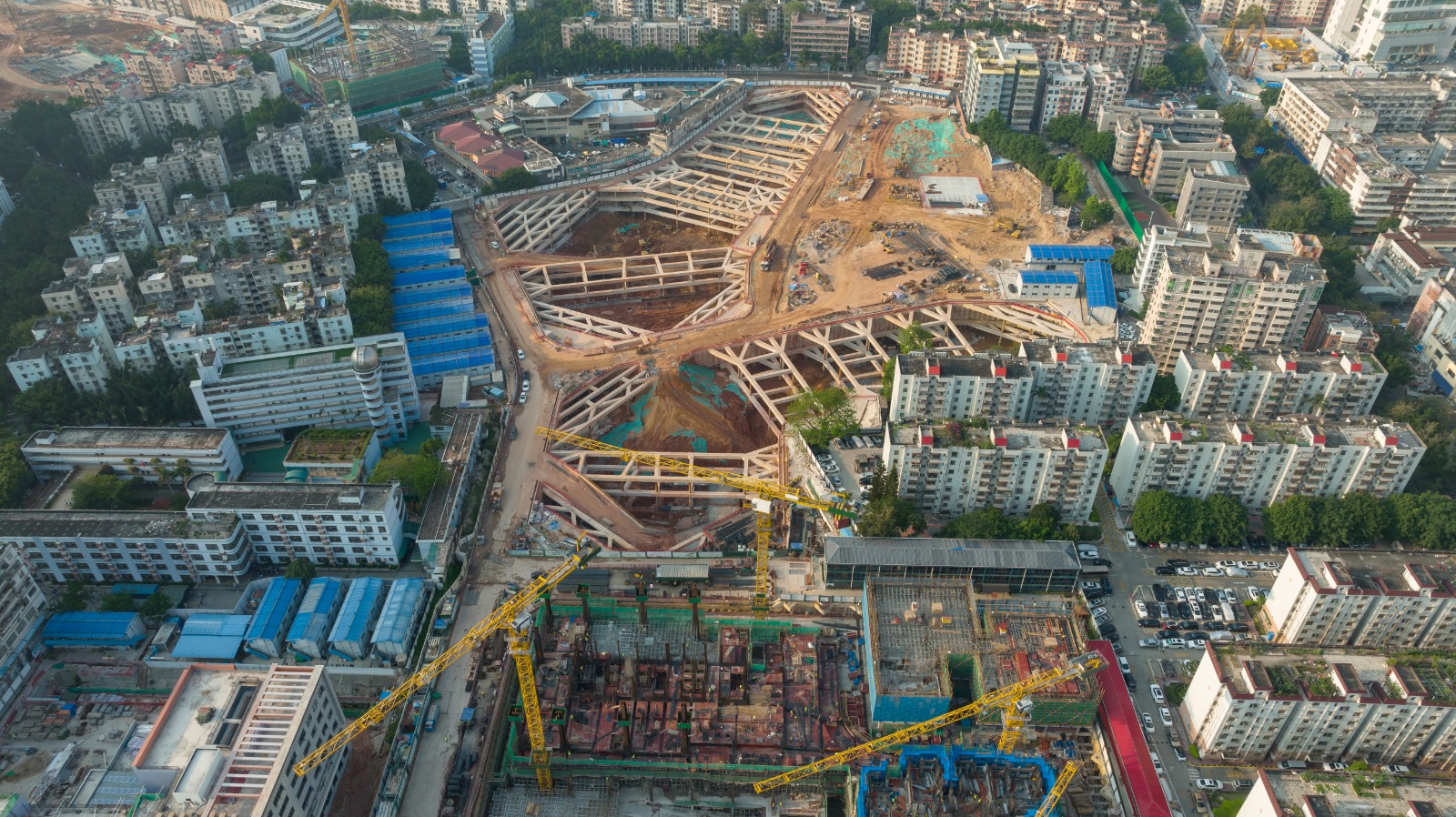
Investment remains a particular concern. Fixed-asset investment fell by 7.2% during the first nine months of the year, highlighting the difficulty of translating stronger production and exports into a broad-based domestic recovery. The prolonged property-sector adjustment has also weakened household confidence and created uncertainty for construction-related businesses, local government finances and developers.
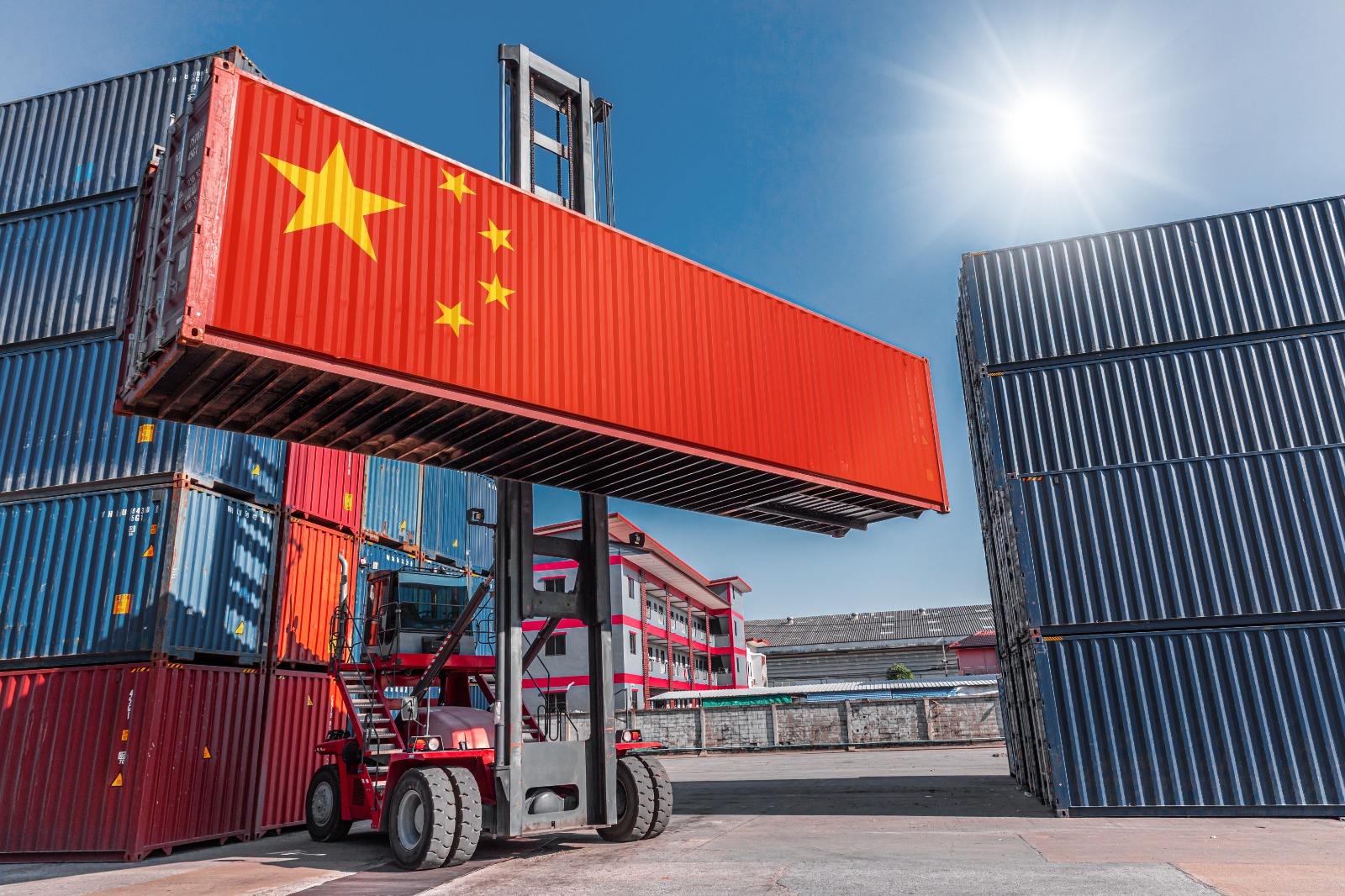
China’s export strength carries implications beyond its borders. Manufacturers in Europe, Asia and other regions face continued competition from Chinese suppliers, while governments concerned about trade imbalances may intensify scrutiny of imports and industrial subsidies. A growing reliance on external demand could therefore expose Chinese exporters to additional tariffs, trade restrictions and geopolitical friction.
For investors, the central question is whether stronger output can be sustained by domestic consumption and investment rather than exports alone. Companies supplying industrial equipment, materials and logistics services will also be watching whether the recovery translates into durable orders.
Beijing retains room to adjust fiscal and monetary support, but the latest figures do not eliminate the structural challenges facing the economy.
The next indicators to watch are household spending, private investment, property sales and the response of major trading partners to China’s expanding export presence.