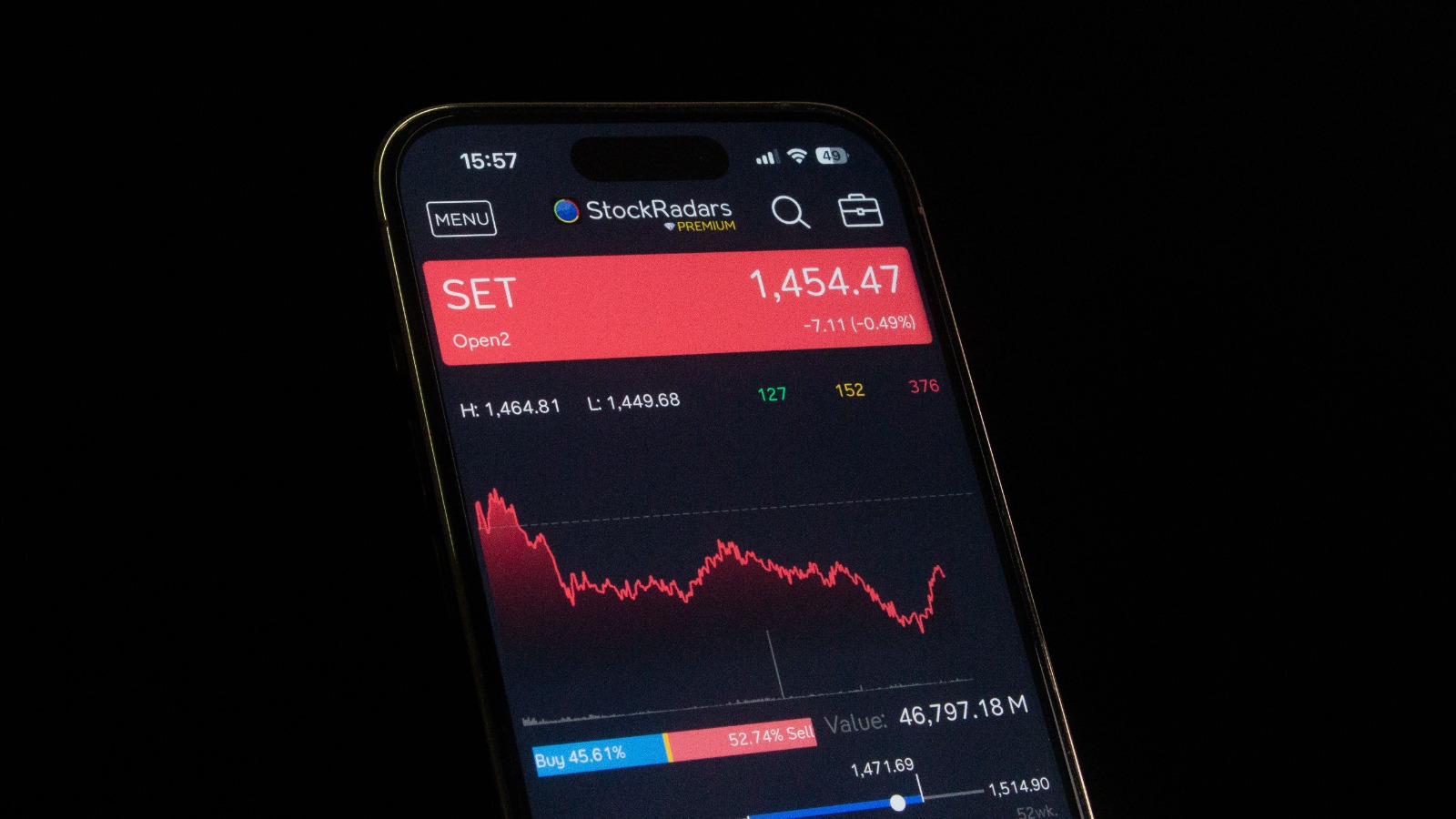
South Korea’s KOSPI index plunged almost 8%, while Japan’s Nikkei 225 fell 5%, extending losses across major Asian markets. Technology-heavy indices were particularly vulnerable because of their exposure to semiconductor manufacturers and companies linked to AI infrastructure. European equities showed greater resilience during early trading, with regional markets declining by less than 0.3% as lower government bond yields and softer energy prices eased some pressure.
The market adjustment reflects a changing assessment of the relationship between AI demand, corporate earnings and financing costs. Technology companies have attracted substantial investment as businesses expand data centres, purchase advanced processors and develop increasingly sophisticated AI systems. However, projects requiring substantial borrowing become more difficult to justify when interest rates rise and the cost of capital increases.
Higher yields can also reduce the present value investors assign to future earnings, putting additional pressure on shares whose valuations depend heavily on anticipated growth. Companies carrying significant debt face a further challenge because refinancing and expansion can become more expensive.
The sell-off does not necessarily indicate that demand for AI technology is weakening. Rather, it highlights the distinction between long-term demand for computing capacity and the financial sustainability of individual companies seeking to supply it. Businesses with established customers, dependable cash flow and disciplined capital expenditure may be better positioned to withstand tighter financial conditions than firms relying on continued access to inexpensive funding.
For investors, the immediate question is whether market valuations adequately reflect the cost, timing, and uncertainty of future returns. Semiconductor manufacturers and infrastructure providers will remain central to the AI expansion, but their performance may increasingly depend on profitability rather than growth expectations alone.
The coming sessions will test whether the correction remains concentrated in technology shares or spreads more broadly across global markets.