The agreement represents a significant order for the company as European governments and transport operators continue to invest in modernising railway networks, improving operational reliability and extending the lifespan of existing transport infrastructure.
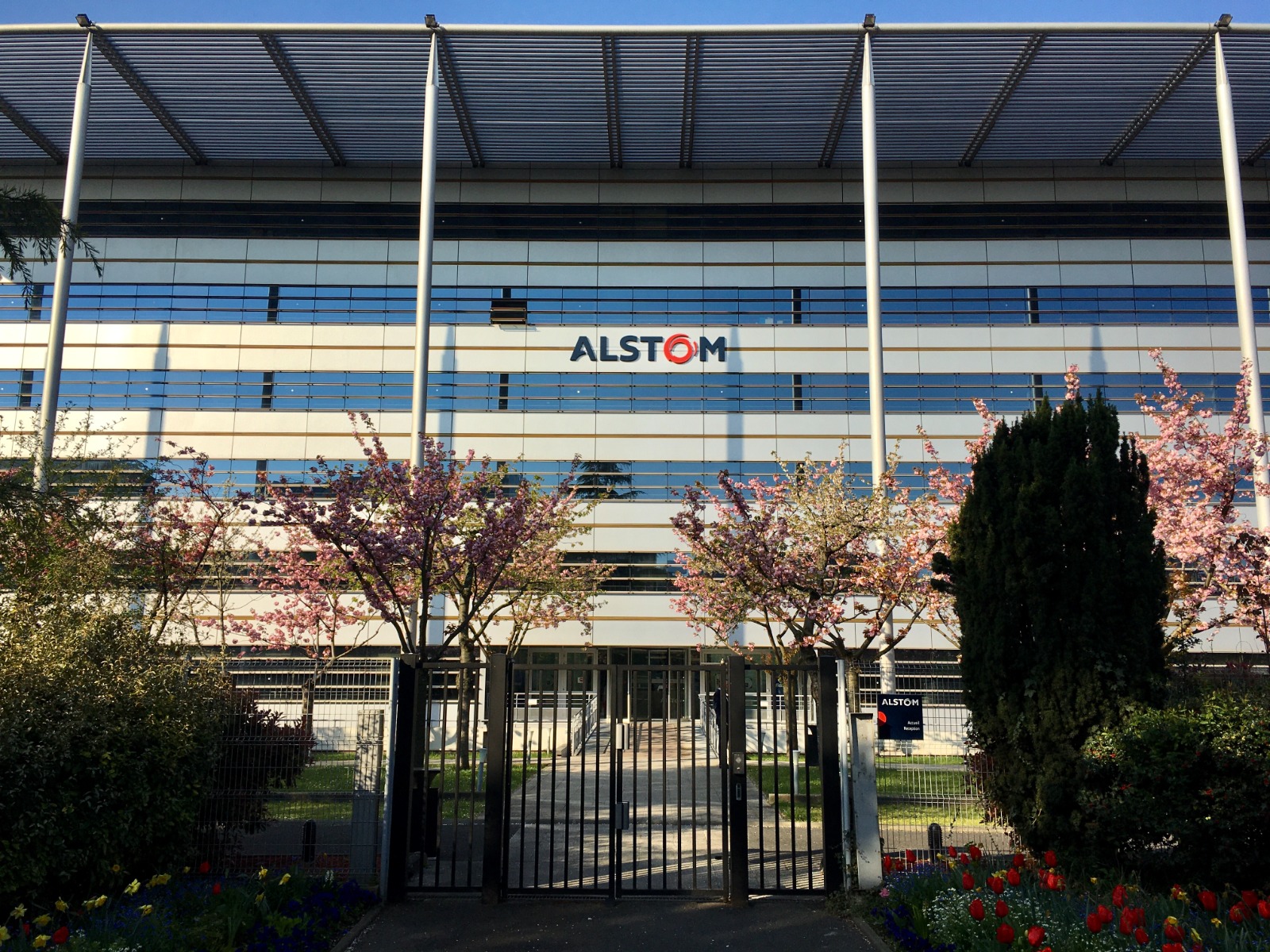
Alstom confirmed the contract on Monday but did not immediately identify the customer or disclose further details about the transport system involved. The company said the order was expected to be recorded in its third quarter of the 2026/27 financial year.
The contract combines infrastructure modernisation with long-term maintenance responsibilities, providing Alstom with an opportunity to generate revenue beyond the initial delivery phase.
This structure is increasingly important within the railway industry, where transport operators are seeking suppliers capable of supporting infrastructure throughout its operational lifecycle rather than concentrating solely on equipment installation.
Modernisation programmes can involve upgrading existing systems, improving technical performance and introducing more efficient operating technologies. Maintenance agreements also help transport operators manage equipment reliability, reduce unexpected service interruptions and plan expenditure over extended periods.
For Alstom, the agreement reinforces the commercial importance of its integrated railway offering, which covers rolling stock, signalling, digital mobility solutions, infrastructure and maintenance services.
The wider European rail market has faced increasing pressure to improve connectivity while addressing ageing infrastructure and growing demand for more sustainable transport options. Rail investment is also closely connected to regional economic competitiveness, as efficient passenger and freight networks support labour mobility, trade and industrial supply chains.
Long-term service contracts can provide manufacturers with more predictable revenue streams and strengthen relationships with transport authorities. However, their profitability depends on delivery costs, technical performance, maintenance requirements and the ability to meet contractual obligations over the agreed period.
The undisclosed identity of the customer means that the full geographic and operational significance of the agreement remains unclear.
Alstom's next disclosures are expected to provide further information about the project, its implementation timetable and the precise scope of the maintenance services.