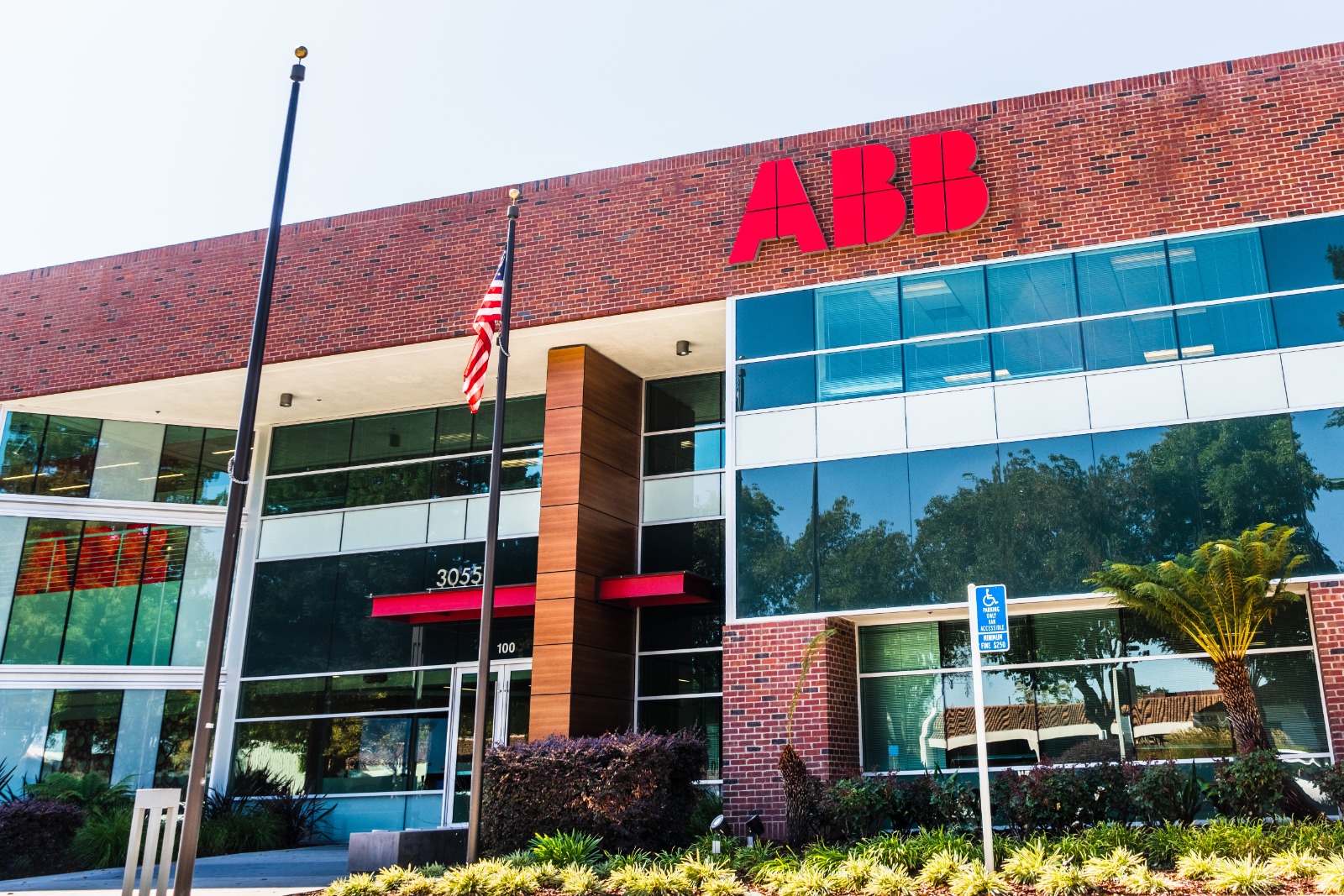
The transaction will add Ziehl-Abegg's electronically commutated fans, integrated electric motors and ventilation control technologies to ABB's existing Motion business portfolio. The acquisition is expected to broaden the group's ability to supply components used in commercial cooling systems, industrial processes and temperature-management infrastructure.
According to ABB, the transaction represents an equity value of approximately $2.22 billion. Ziehl-Abegg is expected to generate around $1.4 billion in revenue during 2026, with an operating EBITA margin in the mid-single-digit range.
ABB said it expects the acquired business to achieve an operating EBITA margin broadly in line with the average of its Motion business area within three years of completion. The company also anticipates operational improvements and synergies from combining the businesses' engineering capabilities, distribution networks and customer relationships.
The acquisition comes as demand for cooling infrastructure expands across several industrial sectors. Data centres, manufacturing facilities, medical technology operations and commercial buildings increasingly require reliable ventilation and thermal-management systems.
Energy efficiency is also becoming an important consideration for industrial customers seeking to manage electricity consumption. ABB noted that fans typically account for approximately 80% of a cooling system's lifetime energy consumption despite representing only around 5% of its initial capital cost.
Ziehl-Abegg, headquartered in Künzelsau, Germany, employs approximately 6,300 people across Europe, the Americas and Asia. Its products are used in applications ranging from industrial ventilation and clean rooms to elevators and agricultural facilities.
The transaction is expected to close in the second half of 2027, subject to regulatory approvals and customary closing conditions. ABB intends to retain Ziehl-Abegg's headquarters in Germany and maintain leadership continuity following completion.
For ABB, the acquisition provides an opportunity to expand its industrial technology offering while gaining exposure to markets supported by long-term demand for cooling capacity and energy efficiency. The next stage will depend on regulatory approval and the company's ability to integrate the business while achieving its projected financial returns.