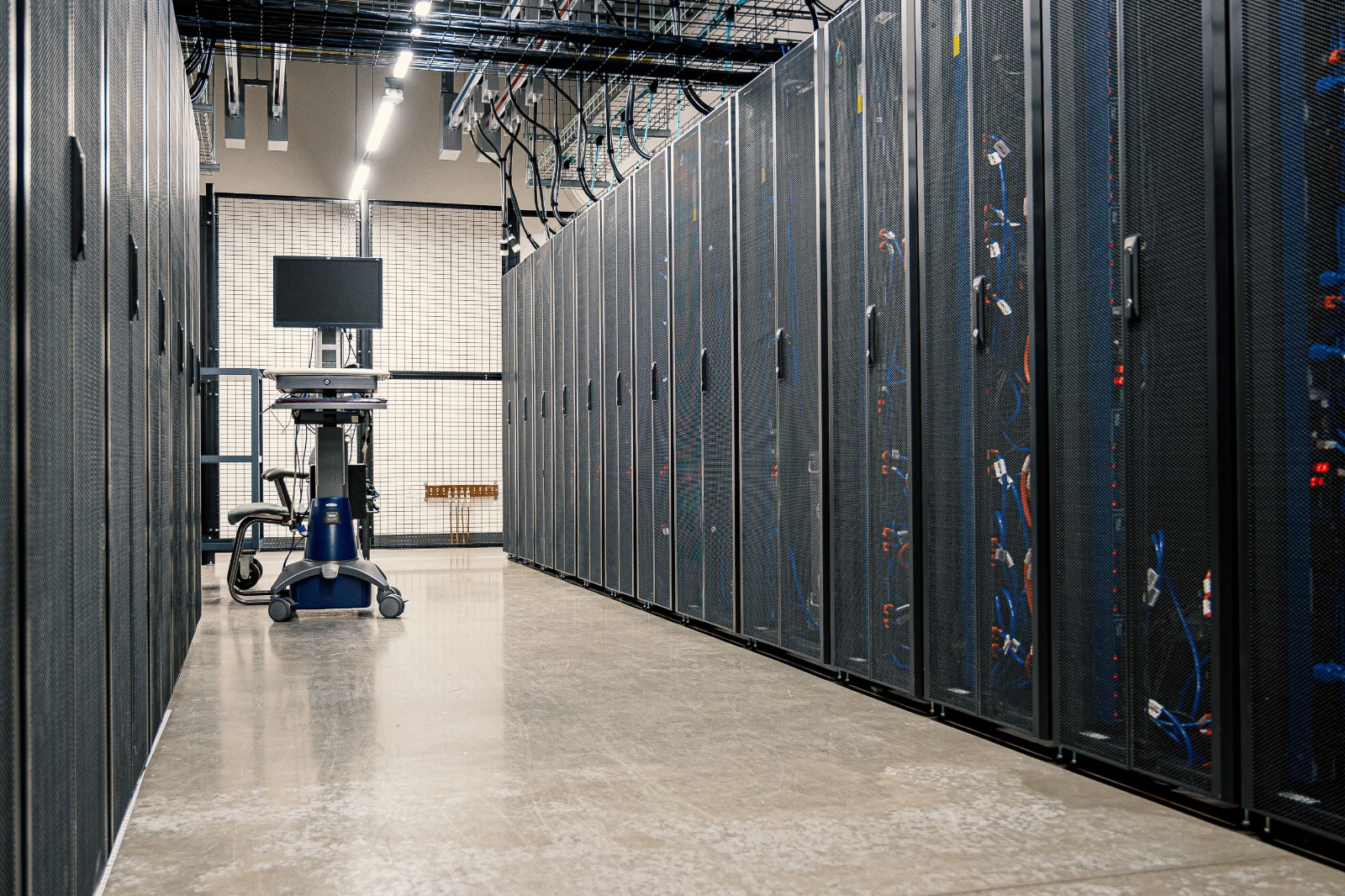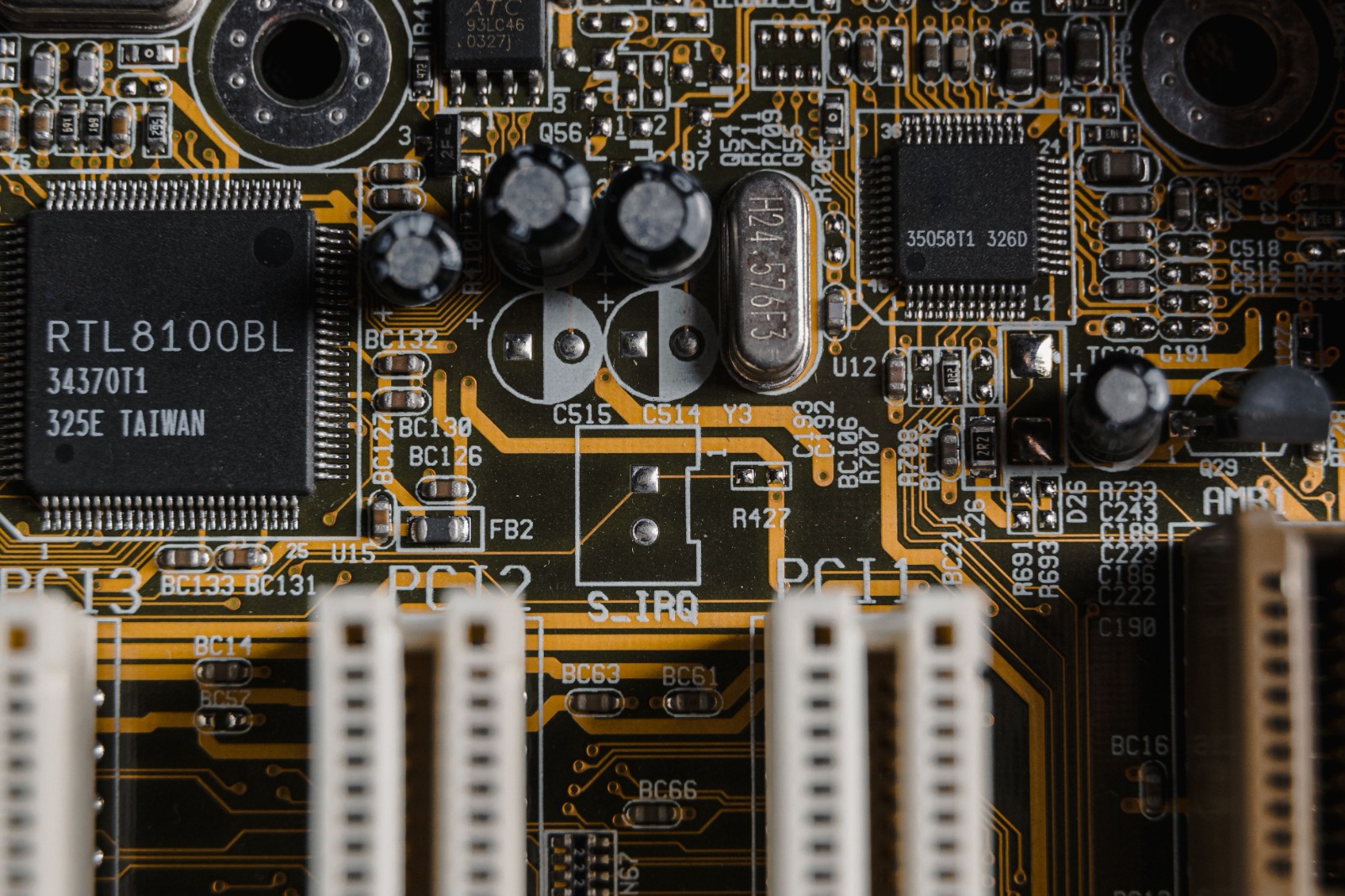

Over the past two years, the world's largest technology companies have committed record levels of capital expenditure to expand data centres, cloud computing capacity and specialised semiconductor infrastructure required to support generative AI services. The investment cycle has reshaped corporate priorities across the industry, transforming artificial intelligence from an experimental technology into a core element of enterprise infrastructure.
Attention is now shifting from investment announcements to commercial execution. Reuters reports that investors are increasingly scrutinising whether the scale of AI-related capital expenditure is producing sufficient returns to justify continued spending, with several major technology companies expected to outline how AI products are contributing to revenue growth, customer adoption and operating efficiency. While corporate investment remains robust, analysts note that capital expenditure is expanding faster than free cash flow across parts of the sector, raising questions about long-term capital discipline.
The implications extend well beyond Silicon Valley. Financial institutions, manufacturers, healthcare providers, retailers and logistics companies are accelerating AI adoption to improve productivity, automate routine operations and strengthen decision-making. As enterprise demand continues to grow, technology suppliers involved in semiconductors, networking equipment, cybersecurity and cloud infrastructure are expected to remain among the principal beneficiaries of the ongoing digital transformation.
Governments are also responding to the expanding strategic importance of artificial intelligence. Industrial policies across North America, Europe and Asia increasingly prioritise domestic semiconductor manufacturing, digital infrastructure and AI research as countries compete to strengthen technological sovereignty and economic competitiveness. Public investment and regulatory frameworks are evolving alongside private-sector innovation to address issues including data governance, cybersecurity, intellectual property and responsible AI deployment.
For investors, the current reporting season is expected to provide valuable insight into the maturity of the AI economy. Beyond headline earnings, markets will closely examine customer demand, pricing power, infrastructure utilisation and forward investment guidance to determine whether the industry's substantial capital commitments are generating durable commercial value.
From an Aldrenor perspective, artificial intelligence is no longer solely a technology story but a defining economic and industrial development. The decisions made by leading technology companies over the coming quarters will influence global capital allocation, infrastructure investment and productivity growth across multiple sectors. As AI becomes increasingly embedded within the real economy, the industry's success will be measured not only by technological innovation but also by its ability to generate sustainable business performance, strengthen competitiveness and support long-term economic expansion.