
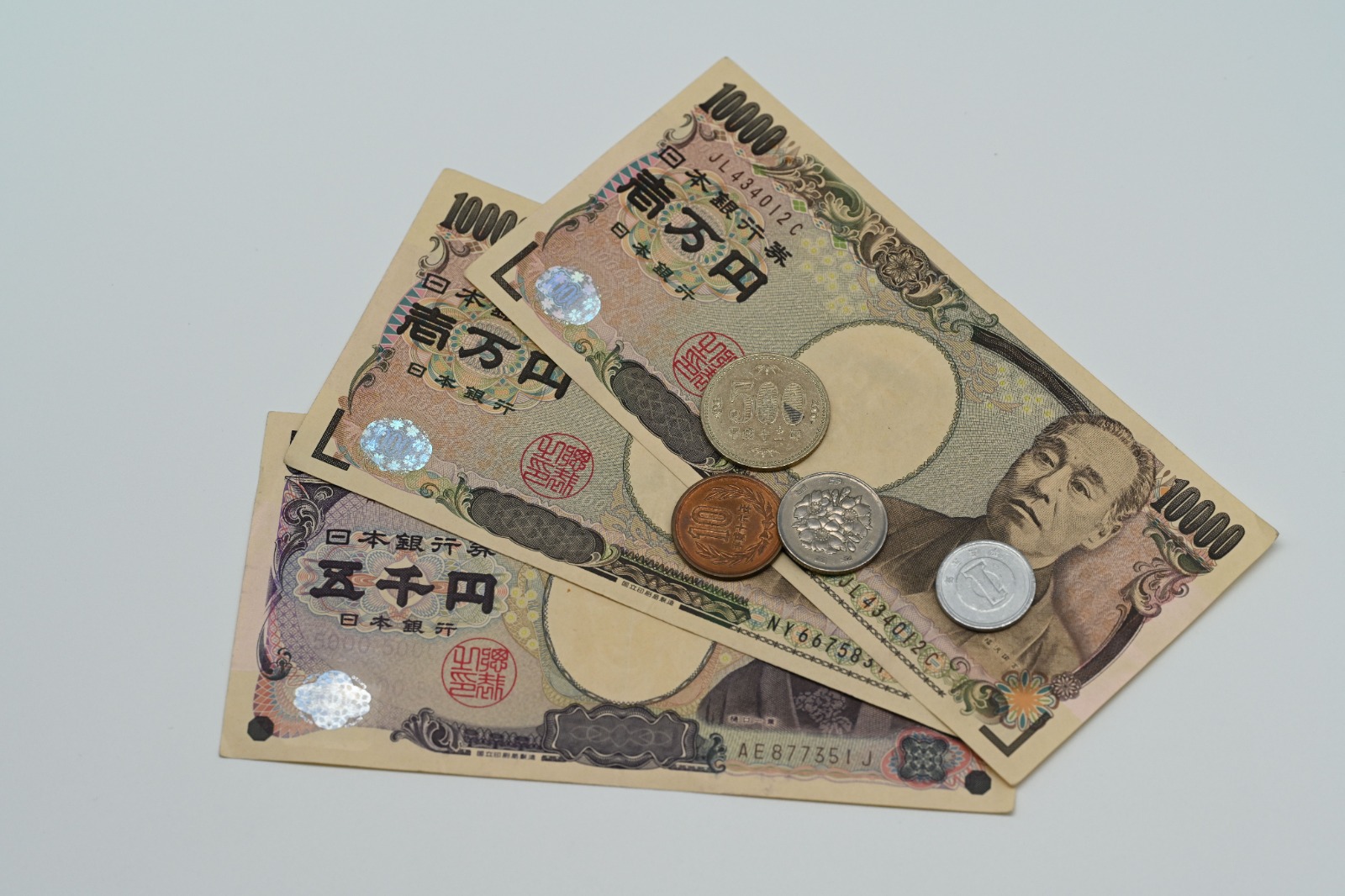
The yen has risen around 5% against the dollar since the beginning of September, reaching a nearly seven-month high of 152.89 per dollar as expectations increased that the Bank of Japan could accelerate its interest-rate increases.
The currency's advance has been supported by stronger expectations for Japanese monetary tightening and speculation that the country's large government pension fund could increase domestic investment and repatriate overseas capital.
Investors are now watching the Bank of Japan closely for evidence that policymakers are prepared to move beyond their cautious approach.
Markets have been pricing the possibility that Japanese interest rates could rise above 2% over the next year, substantially higher than current levels. Some analysts argue that those expectations may already be too aggressive, creating the risk of a sharp reversal if the central bank delivers a less hawkish message.
The outlook has also become more complicated because the Federal Reserve is expected to raise U.S. interest rates. If both central banks tighten policy, the yield advantage of U.S. assets could remain substantial.
The yield differential is an important driver of the yen's long-term weakness, as Japanese investors have historically sought higher returns overseas.
Japan's dependence on imported energy creates another challenge. Higher oil prices can worsen the country's terms of trade by increasing the cost of imported fuel, potentially limiting the benefits of a stronger currency.
Positioning in the foreign-exchange market has also shifted. Speculators have moved from net short positions in the yen to net long positions, reducing the pool of traders who could continue buying the currency if momentum weakens.
Japanese investors also increased purchases of overseas equities in August, indicating that capital outflows remain an important structural force.
The yen's next move will therefore depend not only on the Bank of Japan but also on the Federal Reserve, global energy prices and international investment flows.
For markets, the key question is whether Japan's monetary-policy normalisation has become strong enough to reverse the structural forces that have kept the yen weak for years.