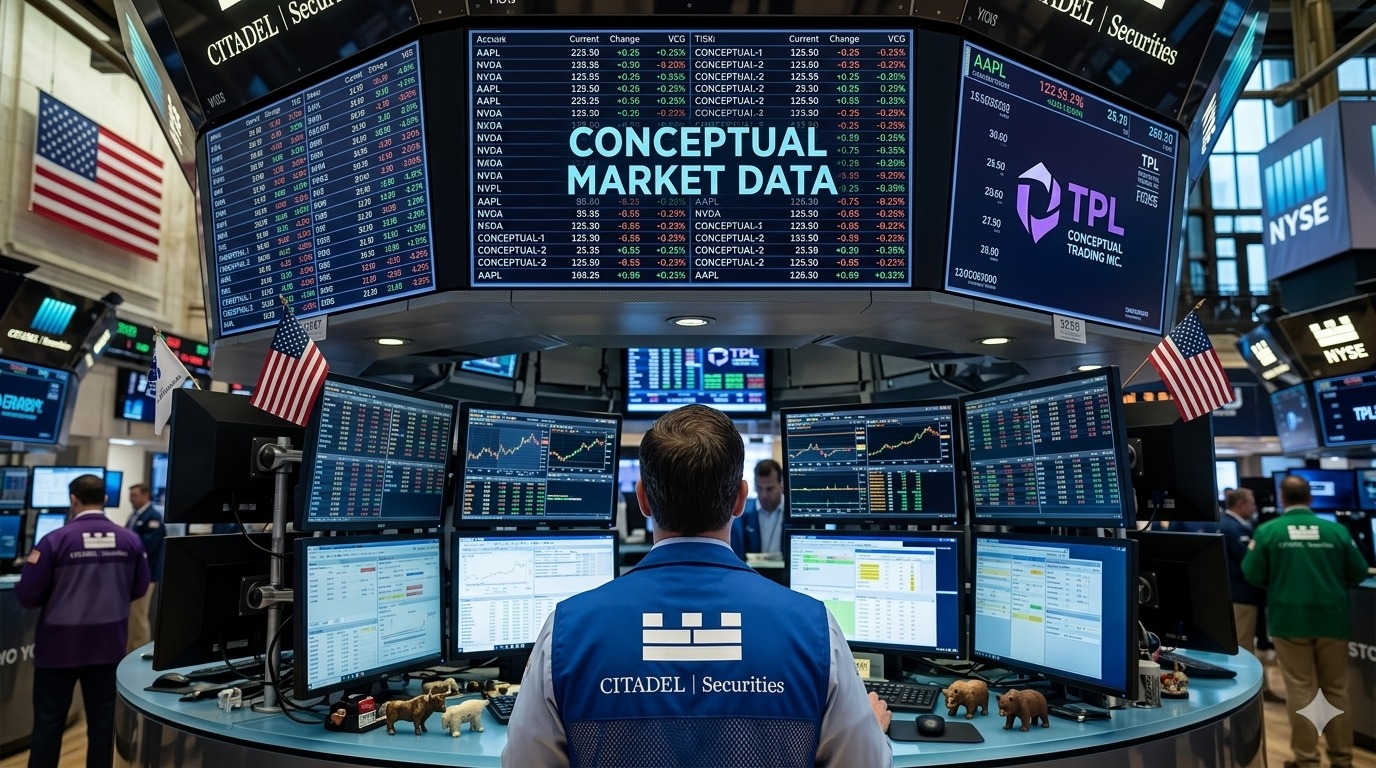
Equity markets across Europe, Asia and North America moved higher as declining oil prices and improving sentiment around global trade routes supported risk appetite. Investors viewed the diplomatic progress as reducing the likelihood of significant disruptions to energy supplies and international shipping networks.
The rebound comes after weeks of heightened volatility driven by concerns over conflict escalation, inflation risks and uncertainty surrounding monetary policy. With energy markets showing signs of stabilisation, businesses and investors are reassessing economic prospects for the second half of the year.
Market participants say the easing of geopolitical tensions could provide relief to sectors heavily affected by transportation and energy costs, including manufacturing, logistics, aviation and consumer goods.
However, optimism remains tempered by concerns surrounding interest rates. Central banks continue signalling caution regarding inflation, raising questions about how quickly monetary conditions may ease despite lower oil prices.
Investors are therefore balancing two competing narratives: improving geopolitical conditions and continued monetary-policy restraint.
Financial institutions note that lower energy prices may support corporate profitability and consumer spending if sustained. At the same time, elevated borrowing costs continue affecting investment decisions across housing, infrastructure and business expansion projects.
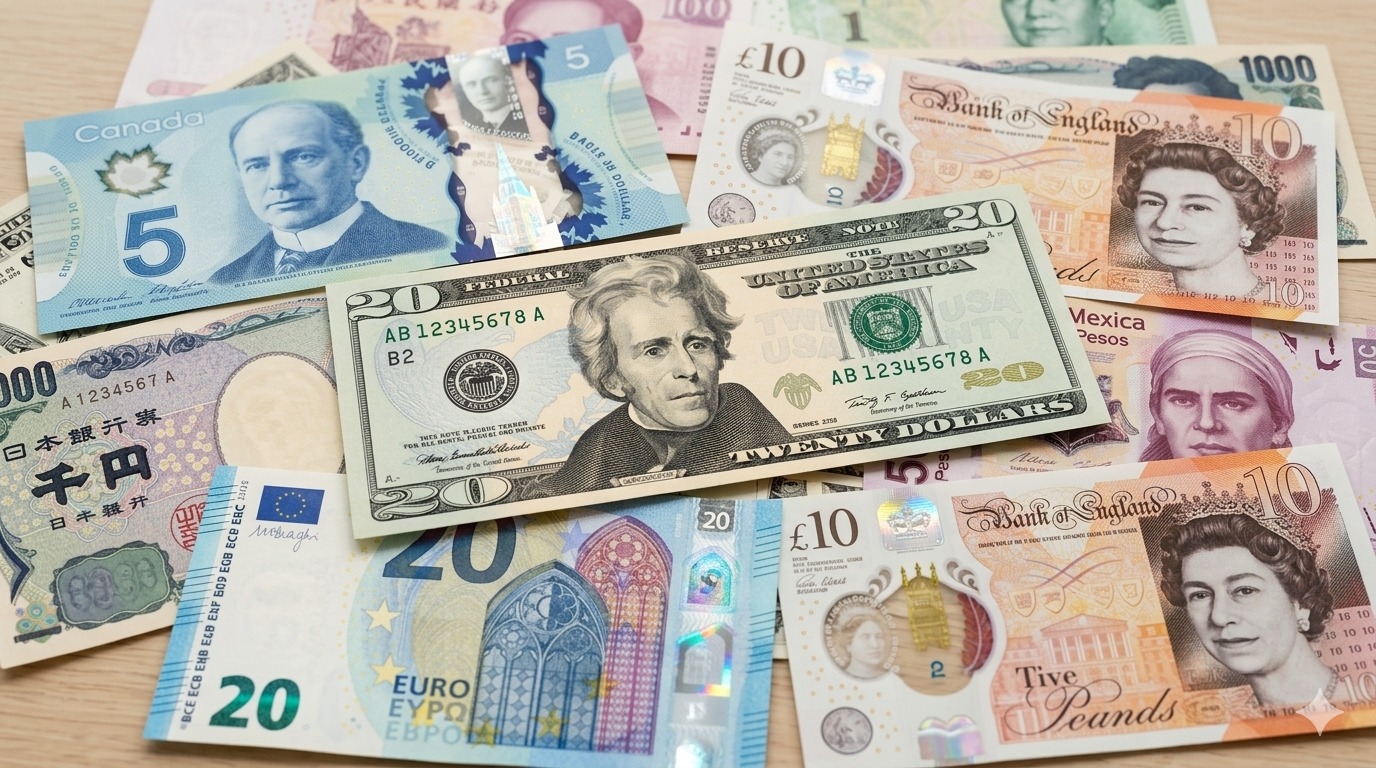
Currency markets also reflected improving sentiment, with several risk-sensitive assets benefiting from expectations of greater economic stability and stronger trade activity.
Economists caution that while the immediate outlook has improved, structural challenges remain. Public debt levels, slower productivity growth and persistent inflation risks continue influencing long-term economic forecasts.
For executives and investors, the current environment highlights the importance of monitoring both geopolitical developments and monetary policy signals. Markets may have found temporary relief, but the path toward sustained global growth remains closely tied to inflation dynamics and central-bank decisions.
The latest rebound illustrates how rapidly financial sentiment can shift when geopolitical risk begins to recede, even as broader economic uncertainties remain unresolved.