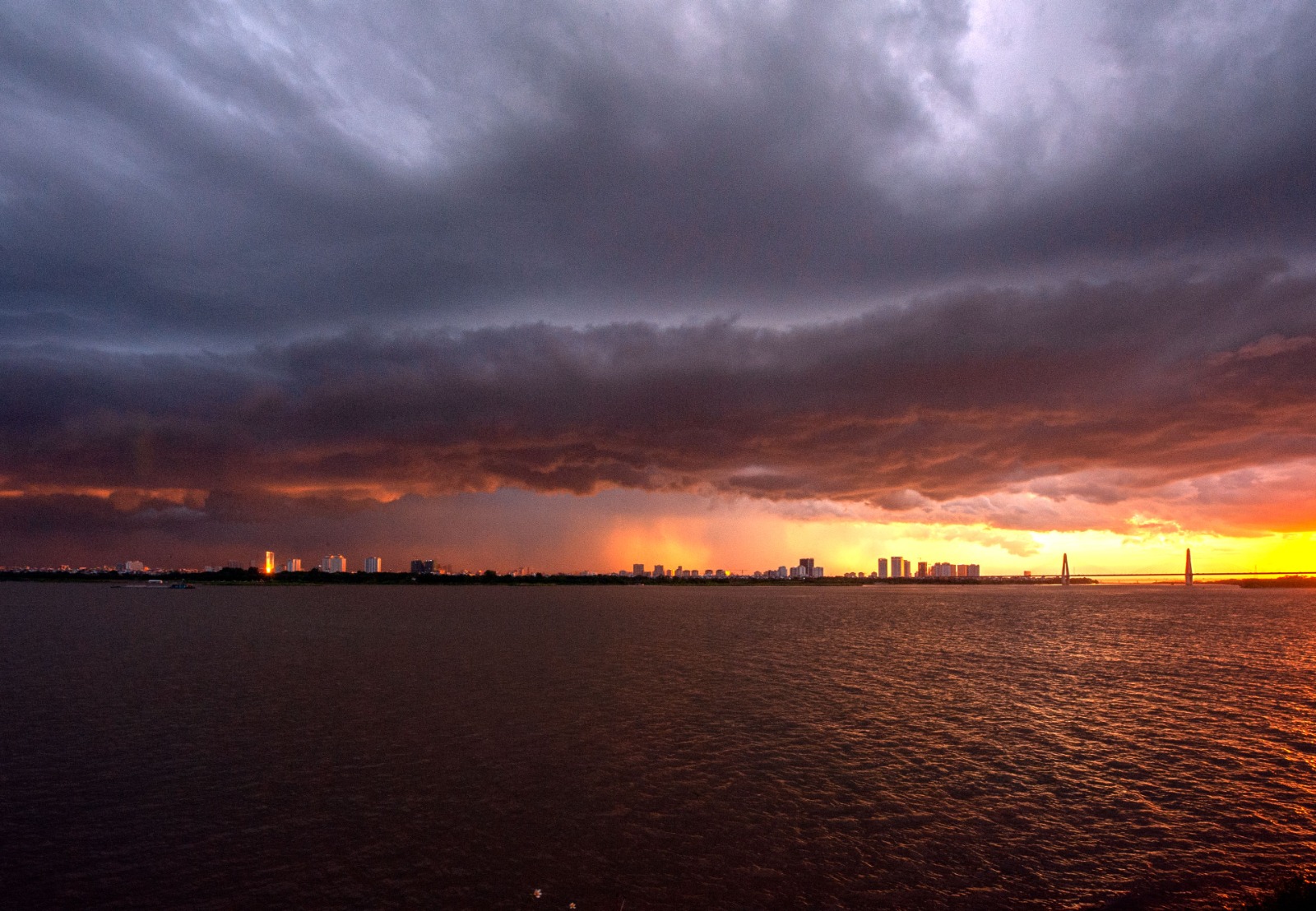
Power outages affected customers across Illinois, Indiana, Ohio and Kentucky after storms moved through the region on Tuesday. Reuters reported that nearly one million customers were without electricity at the height of the disruption, while at least two people were killed.
The immediate impact is concentrated on households and communities, but the disruption also affects businesses dependent on continuous electricity supplies. Retailers, manufacturers, logistics companies, data centres and other operators can face lost production, damaged inventory and delays when power networks fail.
The storms also produced flooding, complicating recovery efforts. Ohio Governor Mike DeWine warned that flooding would remain a serious concern even after the storms had moved away.
The incident demonstrates how infrastructure resilience has become increasingly relevant to corporate planning. Businesses do not control the electricity network, but they carry much of the operational cost when power supply is interrupted.
For companies operating complex supply chains, a regional outage can have effects beyond the immediate location. Distribution centres may lose capacity, transport schedules can be disrupted and suppliers may be unable to meet delivery commitments.
The consequences are particularly important for sectors where electricity is a critical production input. Manufacturing facilities, cold-storage operators and technology infrastructure can require significant backup capacity to maintain operations during prolonged outages.
The economic cost of severe weather therefore extends beyond physical damage. Businesses must also consider insurance, business interruption, backup power, emergency logistics and the cost of making facilities more resilient.
For infrastructure investors and policymakers, repeated weather-related disruptions may strengthen the case for grid modernisation, distributed generation and more resilient transmission networks.
The US Midwest episode is still developing, and the final economic cost remains unclear.
The next indicators will be the speed of power restoration, damage assessments, insurance losses and the extent to which businesses resume normal operations. Longer term, investors will be watching whether repeated weather disruptions translate into greater spending on electricity-grid resilience and business continuity infrastructure.