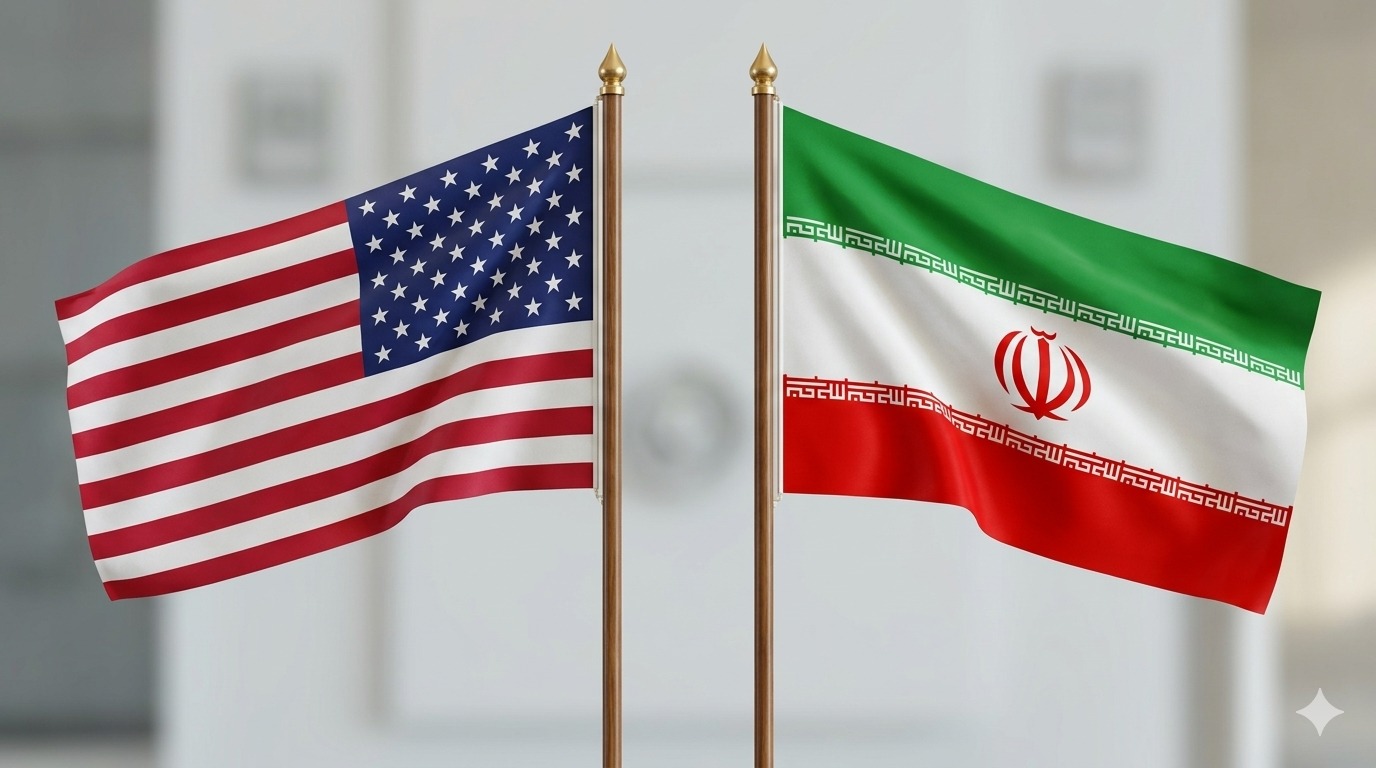
Financial markets have responded cautiously to signs that diplomatic channels remain active, with investors focusing on the potential impact on oil supplies, shipping routes and inflation expectations. Analysts say any sustained reduction in geopolitical risk could help stabilise energy markets and improve confidence across sectors heavily exposed to commodity price volatility.
The prospect of an agreement comes after months of uncertainty that contributed to higher energy prices, concerns over maritime security and broader fears about disruptions to international trade flows. While significant political and diplomatic obstacles remain, businesses are increasingly evaluating how improved stability could affect investment decisions and long-term planning.
Energy remains central to the conversation. A more stable geopolitical environment could support more predictable oil markets, easing cost pressures for transportation, manufacturing and logistics industries. Lower volatility would also assist governments attempting to manage inflation and economic growth simultaneously.
Beyond energy, diplomats and economists point to wider implications for global commerce. Improved relations could influence shipping activity, regional investment flows and broader diplomatic engagement across the Middle East, a region that remains critical to global trade and infrastructure networks.
Businesses operating internationally are paying close attention to developments. Corporate leaders increasingly view geopolitical stability as a key factor influencing capital allocation, supply-chain design and market expansion strategies.
Investors, meanwhile, are assessing whether reduced tensions could improve economic sentiment and strengthen growth prospects across several regions. Financial markets have become increasingly responsive to geopolitical developments as investors seek clarity in an uncertain global environment.
For policymakers, the challenge remains translating diplomatic progress into durable economic confidence. For businesses, the broader significance lies not only in the possibility of lower energy costs but also in the potential for a more predictable operating environment across global markets.
The outcome could influence trade, investment and geopolitical relationships well beyond the Middle East, reinforcing the growing connection between diplomacy and economic performance.