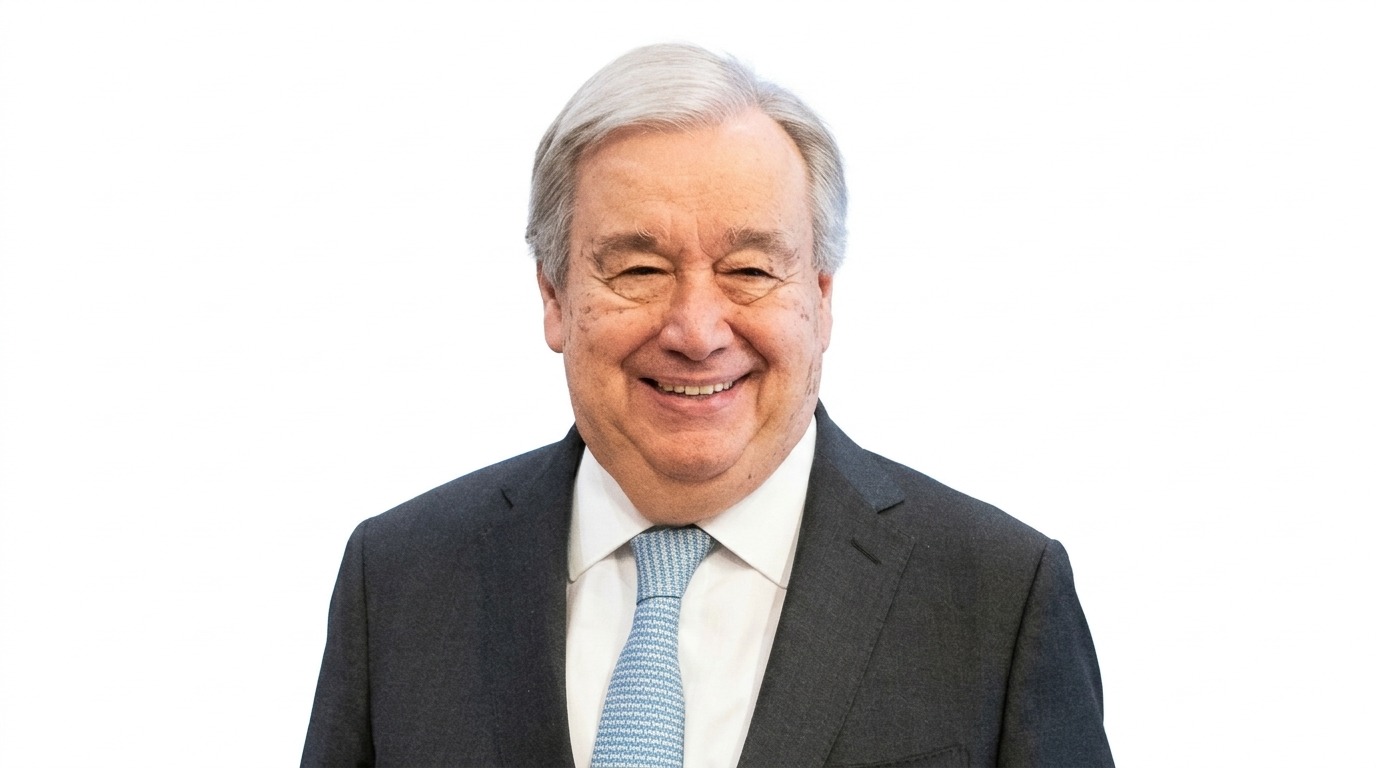
Speaking at the United Nations climate summit in Türkiye, Guterres said the climate crisis was advancing faster than international efforts to contain it. His intervention comes as nearly 200 countries negotiate measures intended to strengthen climate commitments amid economic pressures, geopolitical tensions and continued dependence on conventional energy sources.
The warning reflects growing concern that the world is unlikely to remain within the Paris Agreement’s target of limiting global warming to 1.5°C above pre-industrial levels. A recent United Nations assessment indicated that current global commitments and policies remain insufficient to prevent the threshold from being exceeded.
Extreme weather events during 2026 have added urgency to the negotiations. Heatwaves across Western Europe and a glacier collapse in Nepal that triggered a devastating flood have illustrated the human and economic consequences of a changing climate.
Türkiye is promoting a proposal to increase electricity’s share of global energy use to 35% by 2035. The initiative is intended to expand access to electricity and support a shift in global energy consumption. However, the proposal does not require that the additional electricity come from clean sources and does not establish a broader timetable for phasing out fossil fuels.
That distinction is important because expanding electricity consumption alone does not guarantee lower emissions. The climate impact will depend on whether additional demand is met through renewable energy, nuclear power and other lower-carbon sources, or through continued reliance on coal, oil and gas.
Guterres also linked fossil-fuel dependence to energy security, arguing that countries reliant on imported fuels remain vulnerable to price shocks and geopolitical disruption.
The summit is taking place against a difficult diplomatic backdrop. The United States has again been absent from the meeting, while several other major economies have not sent their top leaders. Their participation is considered important because large economies account for a substantial share of global emissions and possess significant financial and technological resources.
For developing countries, the negotiations also concern access to climate finance, infrastructure investment and technology needed to adapt to rising temperatures.
COP31 will test whether governments can translate broad climate commitments into measurable action. The central challenge remains bridging the gap between agreed ambitions and the policies, financing and energy investments required to achieve them.