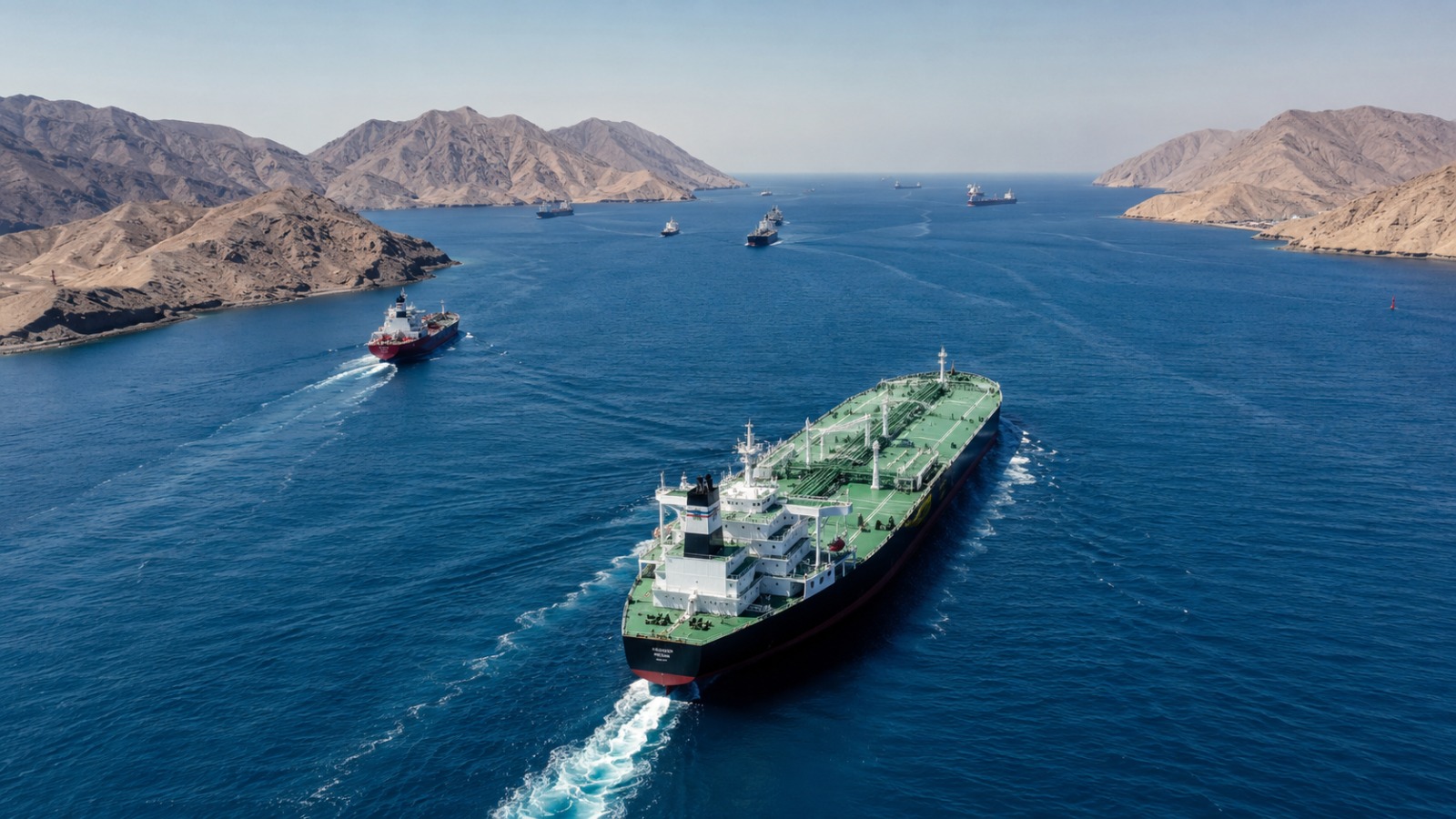
The strategic waterway, through which a substantial portion of the world's oil and liquefied natural gas exports pass, has remained at the centre of investor attention following recent geopolitical tensions in the Middle East. While diplomatic progress has reduced fears of prolonged disruption, businesses throughout the energy sector continue confronting operational challenges created by weeks of uncertainty.
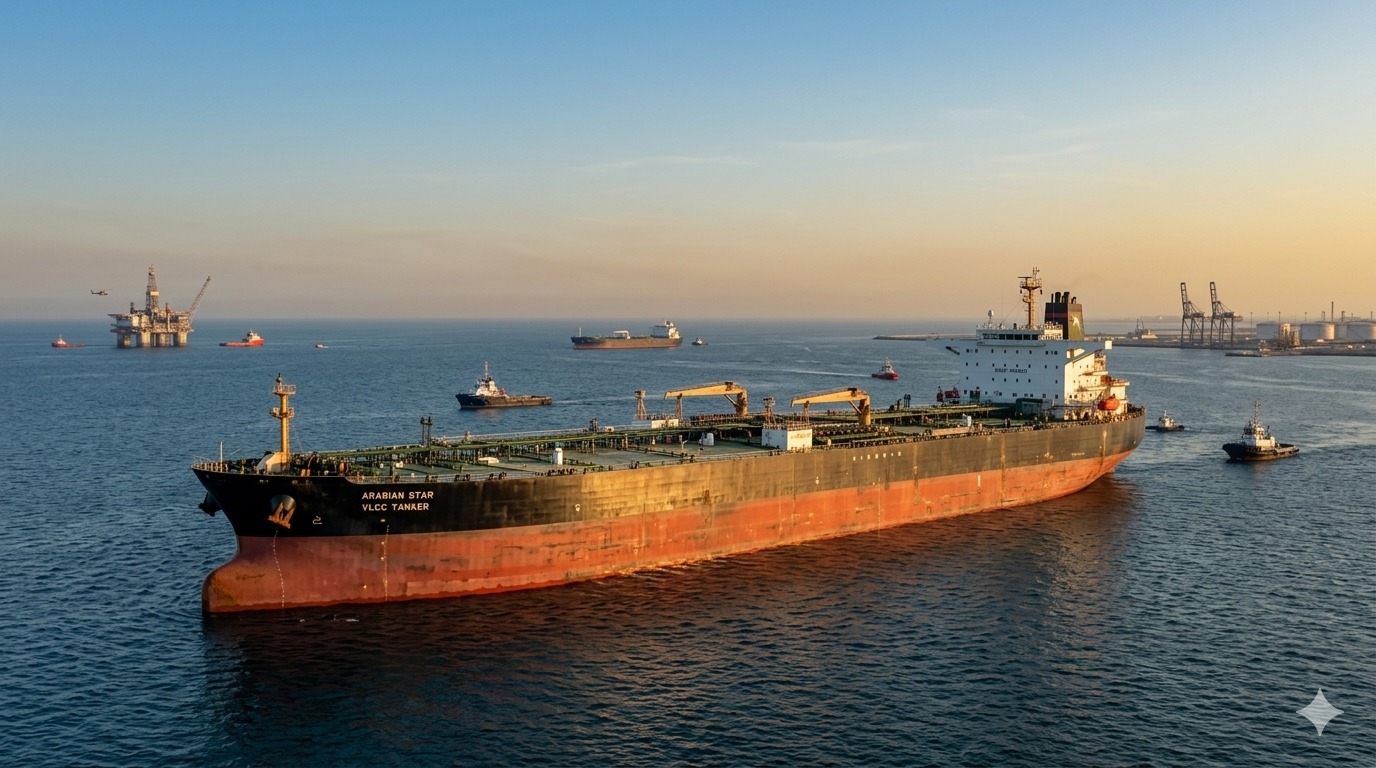
Shipping companies, insurers and commodity traders report that freight schedules, insurance pricing and logistical planning remain affected by disruptions that occurred during the period of heightened tensions. Several operators are continuing to reroute vessels or maintain additional risk-management measures until stability becomes more firmly established.
Energy producers and refiners are also assessing inventory levels and transportation schedules as supply chains gradually normalise. Analysts say the process may take weeks rather than days, particularly for businesses dependent on tightly coordinated international logistics networks.
The episode has reinforced concerns among governments and corporations regarding the resilience of critical infrastructure. Policymakers in energy-importing economies are reviewing contingency plans, strategic reserves and diversification strategies aimed at reducing exposure to future disruptions.
Economists note that even temporary interruptions in major energy corridors can have lasting economic consequences by increasing transportation costs, complicating inflation forecasts and affecting business confidence.
Financial markets have responded positively to signs of de-escalation, but investors remain attentive to geopolitical developments that could influence commodity prices and trade flows.
For corporate leaders, the situation highlights a broader lesson increasingly shaping boardroom discussions worldwide: supply-chain resilience has become a strategic priority rather than an operational consideration.
As energy markets stabilise, attention is shifting from immediate crisis management to the longer-term challenge of building infrastructure and logistics systems capable of withstanding future geopolitical shocks.