The easing of tensions has reduced immediate concerns about disruptions to one of the world's most important energy corridors. However, policymakers and industry leaders say recent events have reinforced the vulnerability of global energy systems to geopolitical shocks.
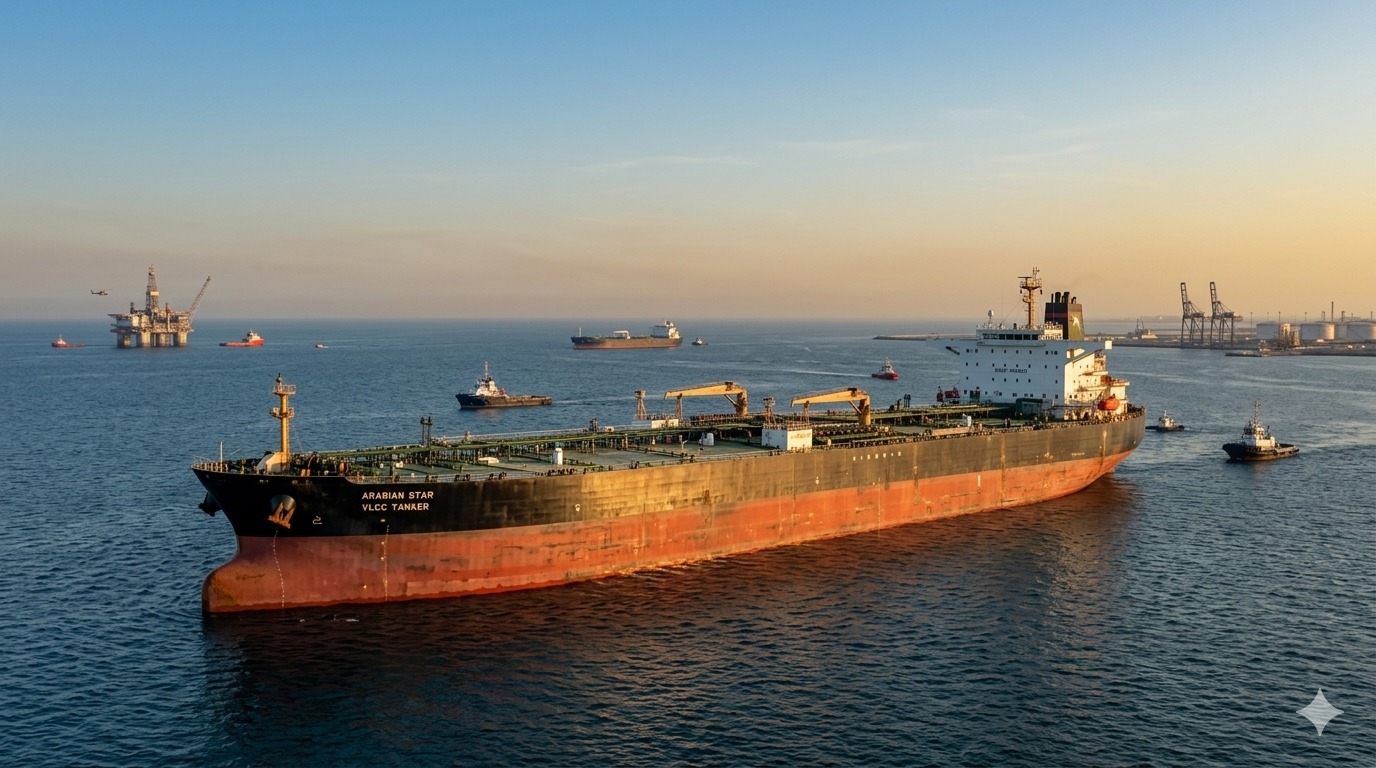
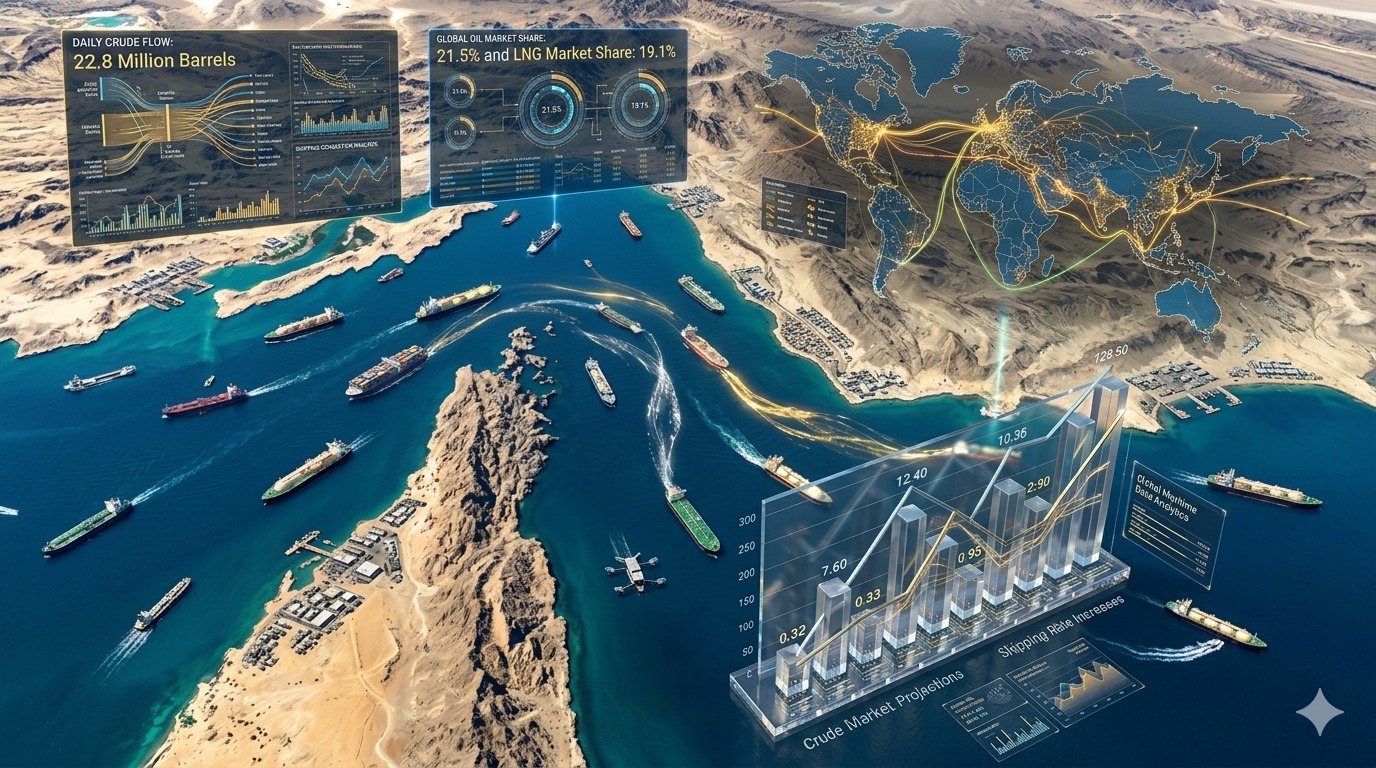
The Strait of Hormuz remains a critical route for global oil and liquefied natural gas exports, linking producers in the Gulf to markets across Asia, Europe and North America. Even temporary disruptions can have significant consequences for energy prices, inflation and economic growth.
Energy companies are increasingly evaluating infrastructure investments aimed at improving resilience, including storage facilities, pipeline expansion, alternative shipping routes and renewable energy projects. Governments are likewise reassessing national energy-security strategies to reduce exposure to external risks.
Analysts note that the latest episode may accelerate efforts to diversify energy sources and strengthen domestic production capabilities. Several countries have already expanded investments in renewable energy, battery storage and strategic reserves as part of broader resilience plans.
The implications extend beyond energy markets. Infrastructure investors are closely monitoring opportunities linked to logistics, transportation and industrial development projects designed to support more secure supply networks.
Economists say energy security is no longer viewed solely as a national-security issue. It has become a central component of economic competitiveness, industrial strategy and investment planning.
For businesses, the key lesson is that energy reliability and supply-chain resilience are increasingly interconnected. Companies dependent on stable energy supplies are expected to continue investing in contingency planning and operational flexibility.
While markets have welcomed the reduction in immediate risks, policymakers and investors alike appear focused on ensuring that future disruptions have less capacity to destabilise economies and critical infrastructure systems.