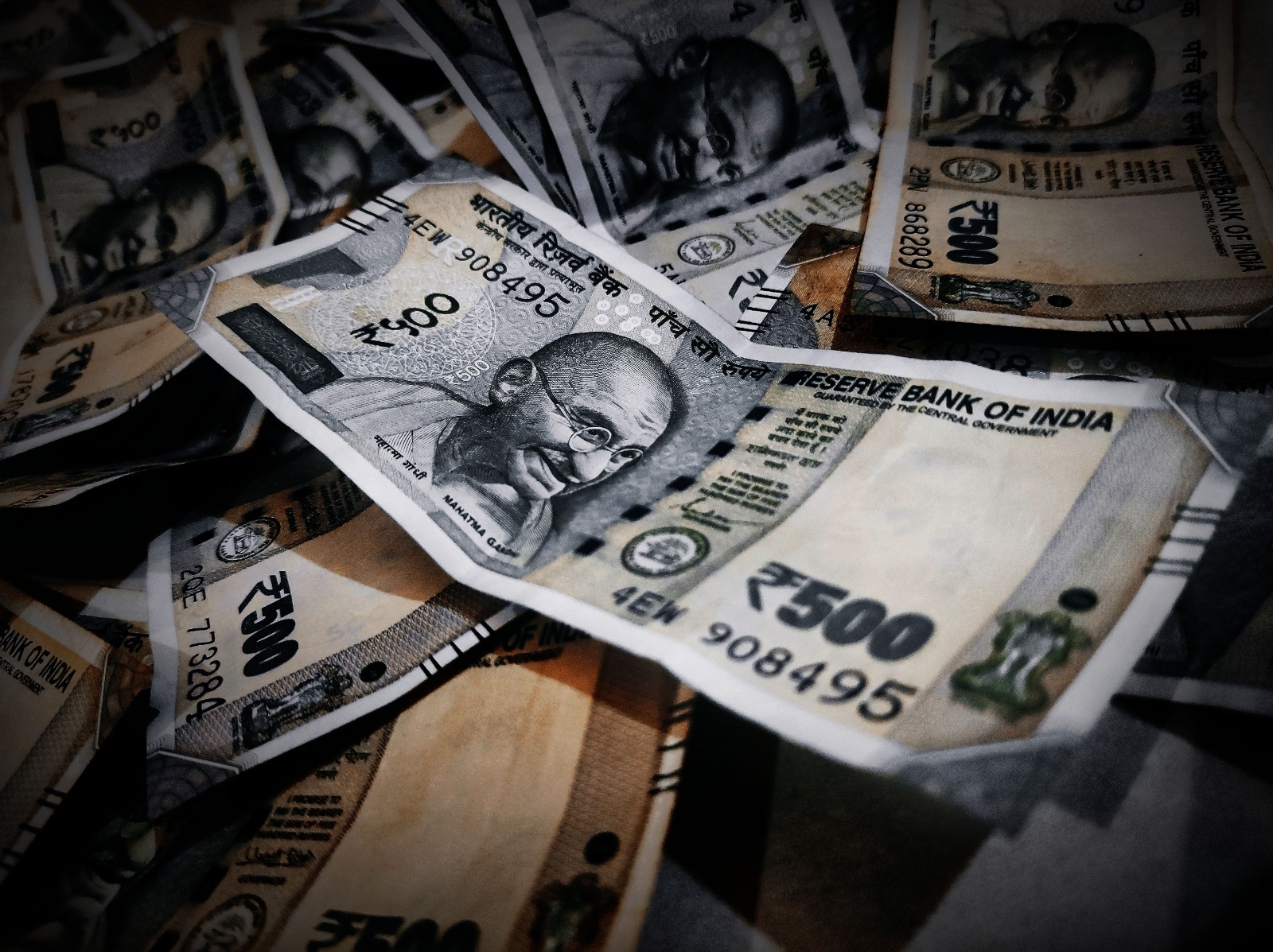
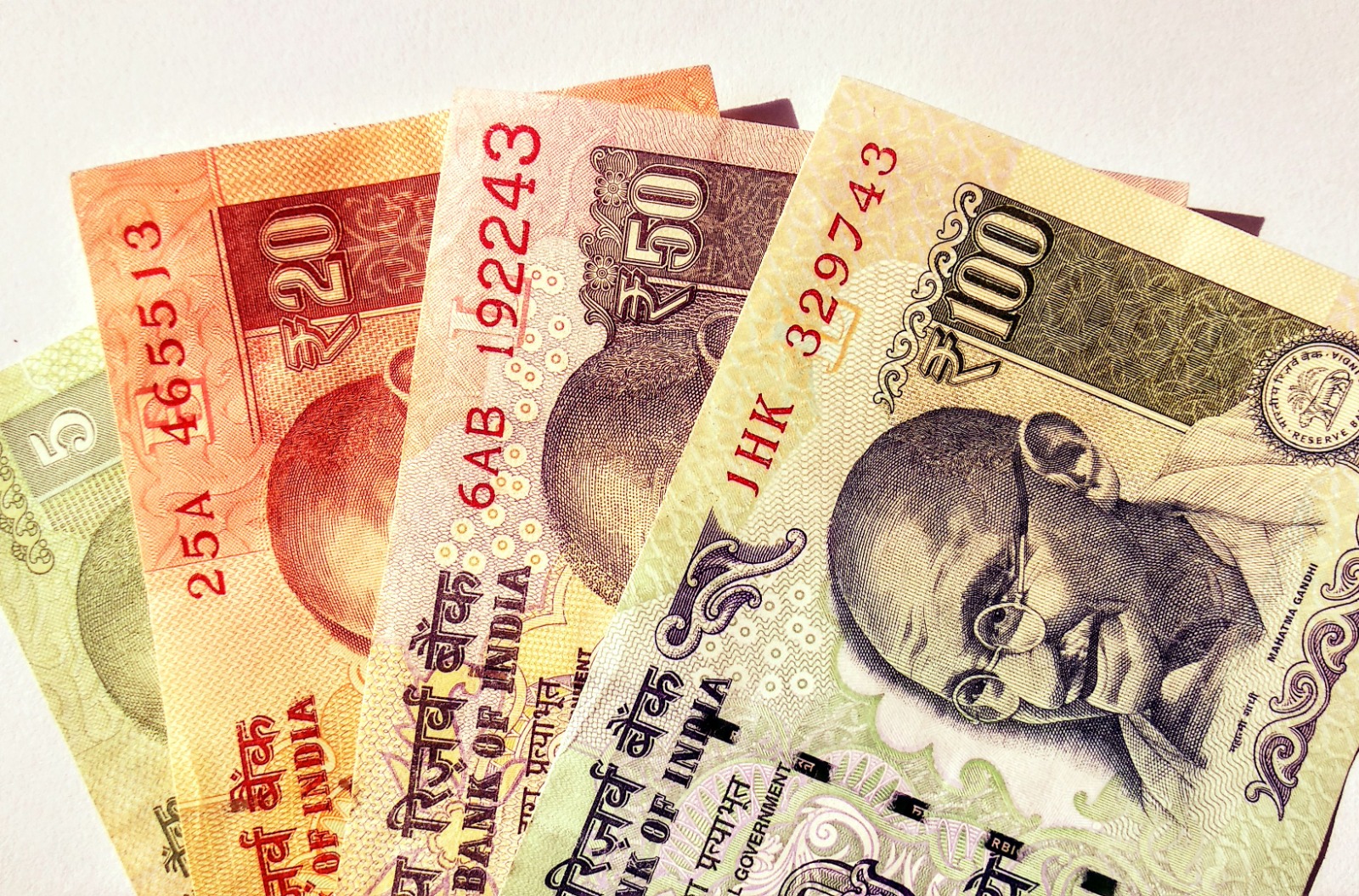
The rupee fell to a session low of 95.2250 per dollar before recovering after what traders described as likely intervention by the central bank. It later closed around 95.1050. The RBI is also believed to have used foreign-exchange swaps to absorb excess rupee liquidity and support currency conditions.
The pressure has intensified as Brent crude moved above $100 a barrel following escalating conflict in the Middle East. For India, which imports a large share of its crude requirements, a sustained oil shock can widen the trade deficit, increase the country's dollar funding requirements and transmit higher energy costs into domestic inflation.
That pressure is already visible in the inflation outlook. A Reuters poll of economists estimated that Indian consumer inflation could rise to 4.8% in August, its highest level in 20 months and the third consecutive month above the RBI’s 4% medium-term target. Food and fuel costs were expected to be major contributors.
The policy dilemma is becoming more complicated.
Supporting the rupee through foreign-exchange intervention can prevent disorderly depreciation, but prolonged intervention can affect domestic liquidity. Tightening monetary conditions to contain inflation, meanwhile, risks increasing borrowing costs at a time when policymakers remain focused on economic growth.
Market participants are therefore watching the RBI’s combination of currency intervention, liquidity operations and interest-rate signals for evidence of how far policymakers are prepared to go.
The broader risk is that a temporary geopolitical oil shock becomes a more persistent macroeconomic problem. Higher crude prices can simultaneously weaken the currency, increase inflation and pressure the external balance.
India's relatively strong domestic growth provides an important buffer, but the rupee’s breach of 95 demonstrates how quickly external shocks can transmit into emerging-market financial conditions.
For investors, the immediate question is whether the RBI can contain volatility without exhausting policy flexibility. For the Indian economy, the longer-term test is whether energy prices stabilise before imported inflation begins to materially constrain monetary policy.