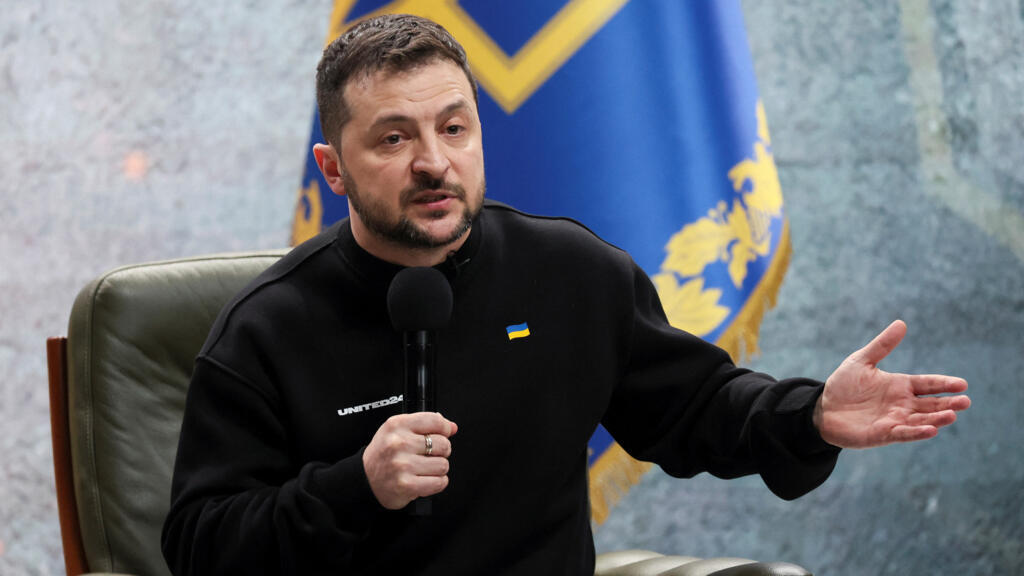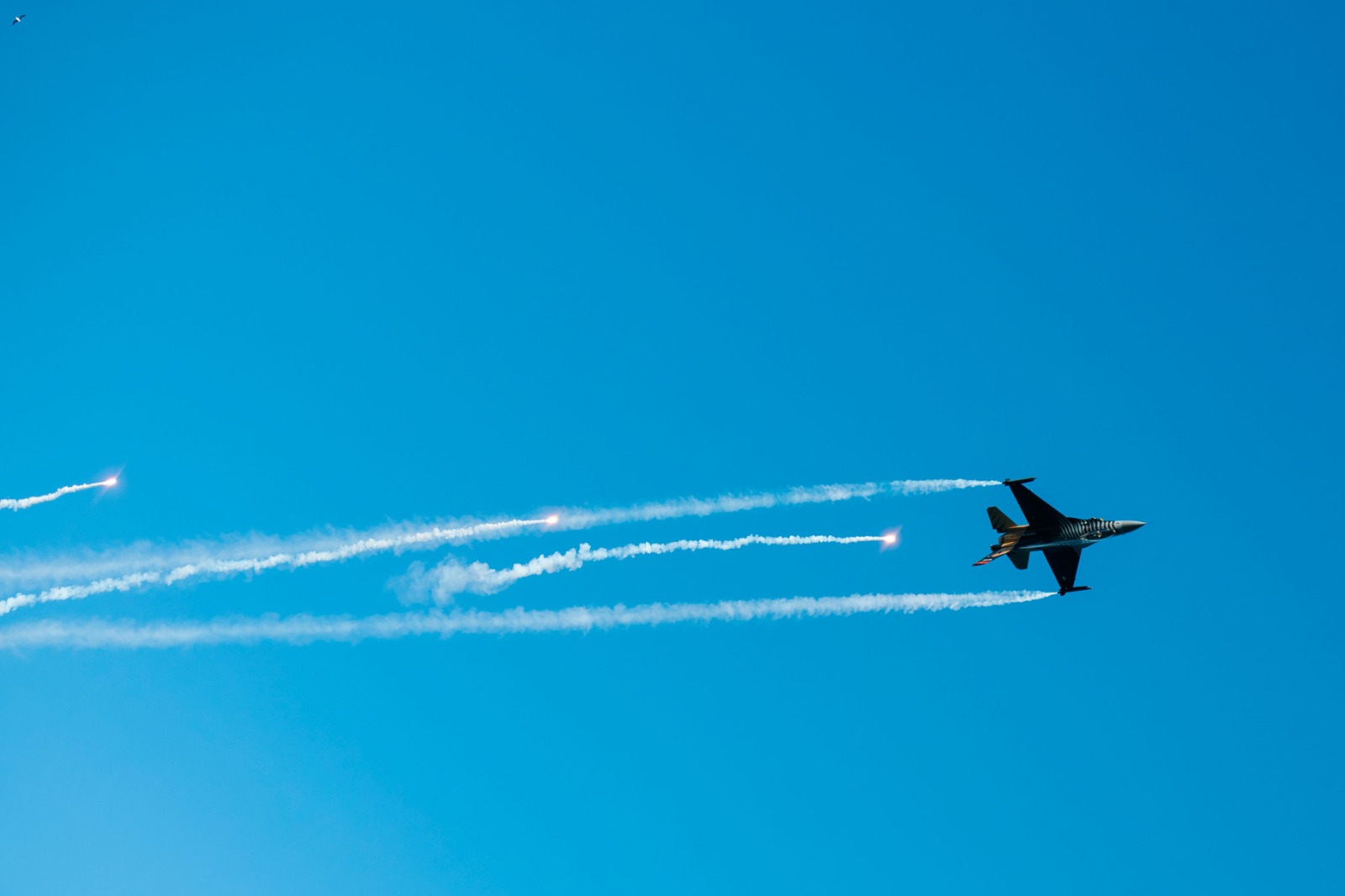

The latest developments have prompted coordinated discussions among major capitals as leaders seek to prevent further escalation while protecting critical economic interests. Although the immediate security situation remains fluid, governments are already assessing the possible consequences for energy markets, international shipping, financial stability and humanitarian operations.
For the international business community, the uncertainty extends beyond the immediate region. Multinational corporations with global supply chains are reviewing operational risks, particularly where manufacturing, logistics and commodity procurement depend upon stable international trade routes. Companies operating in aviation, shipping and industrial production remain especially sensitive to prolonged geopolitical instability.
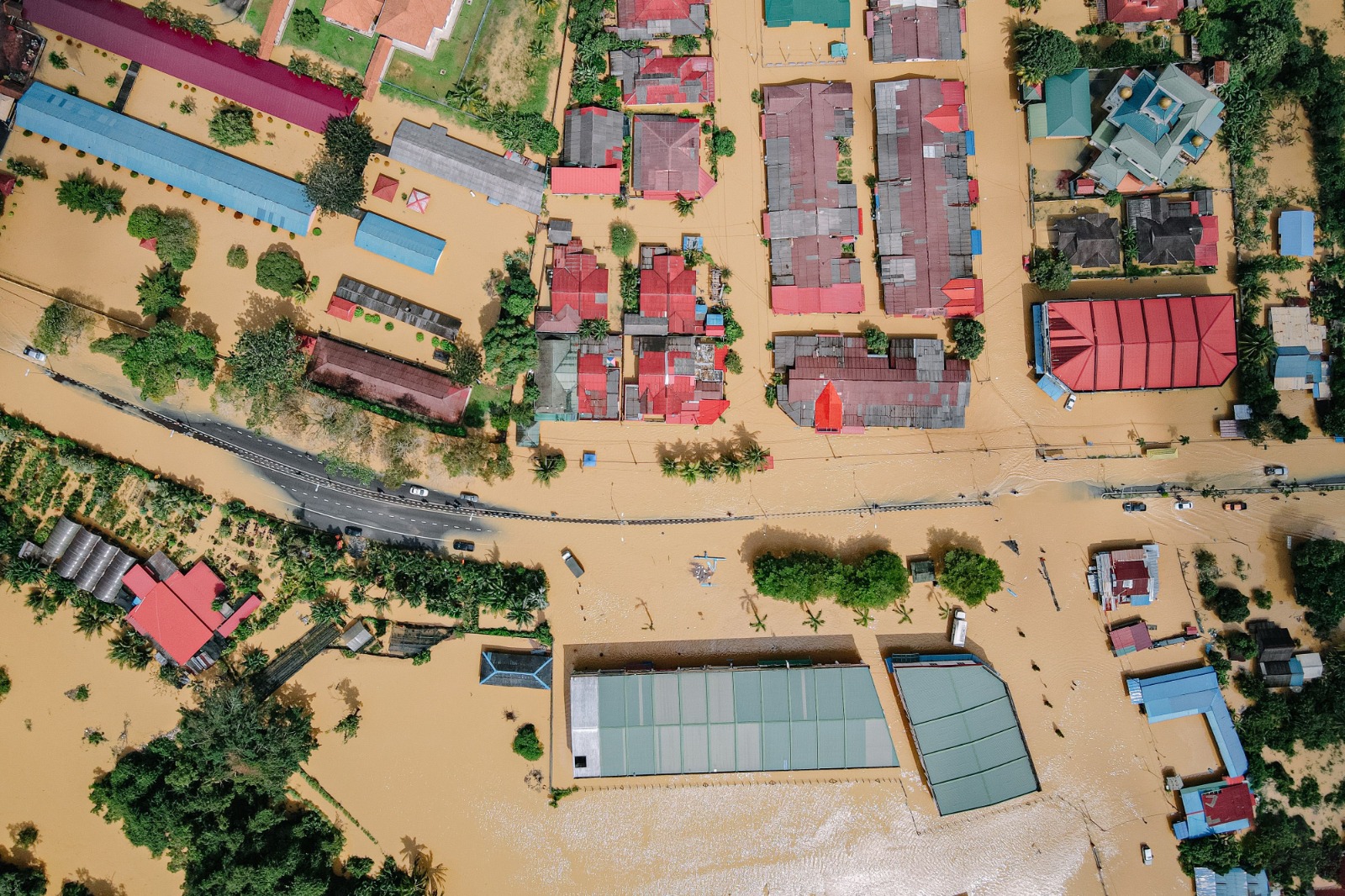
International organisations are also monitoring potential humanitarian implications should regional tensions persist. Relief agencies continue evaluating contingency plans while diplomatic efforts focus on reducing the risk of broader conflict that could further disrupt civilian populations and commercial activity across neighbouring economies.
Financial markets have responded cautiously, reflecting growing recognition that geopolitical events increasingly influence corporate strategy and investment planning. Institutional investors are paying close attention to developments that could affect commodity prices, inflation expectations and cross-border capital flows.
Economists note that recent events reinforce an important shift in the global economic landscape. Rather than treating geopolitical crises as isolated events, businesses and governments are increasingly recognising them as structural risks capable of influencing long-term investment, industrial policy and international cooperation.
Governments are therefore expected to strengthen efforts aimed at improving strategic resilience through diversified supply chains, enhanced energy security and closer cooperation with regional allies. Businesses are likewise expanding contingency planning to reduce operational exposure to future geopolitical disruptions.
For policymakers, investors and corporate leaders, the coming weeks will be defined not only by diplomatic developments but also by the broader economic consequences of prolonged uncertainty. Attention will remain focused on whether international engagement succeeds in reducing tensions while preserving confidence across global markets and the international trading system.