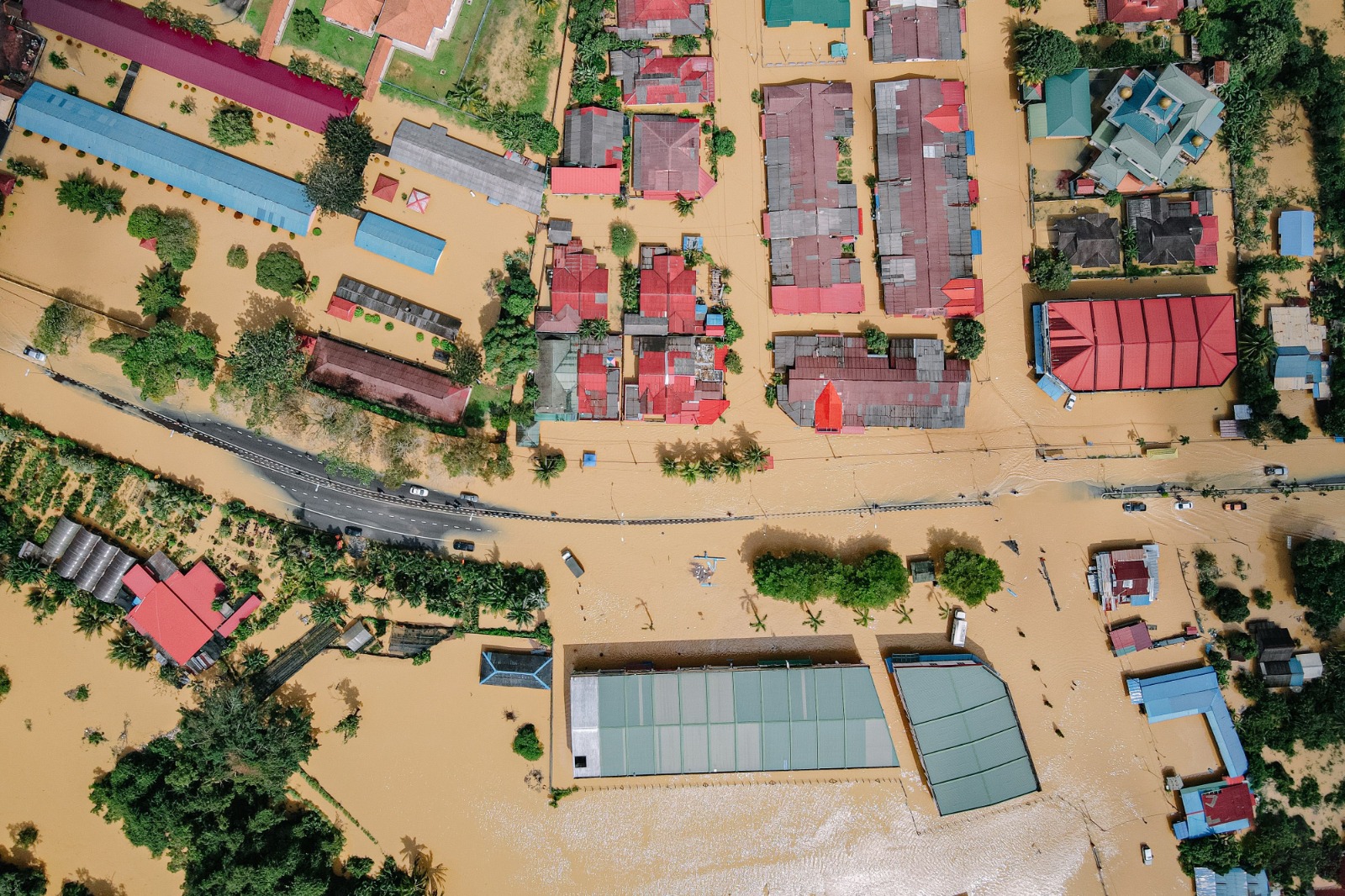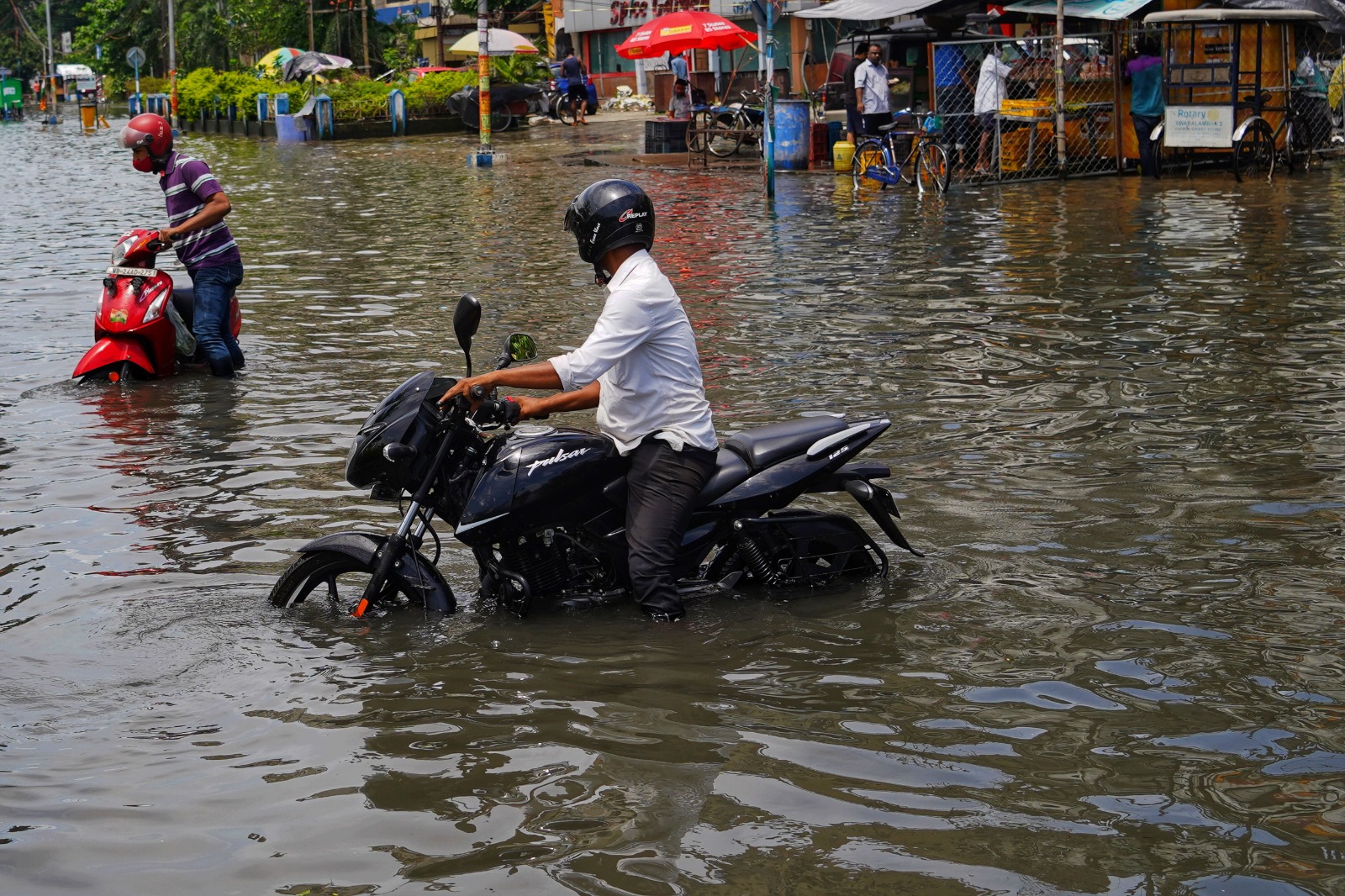
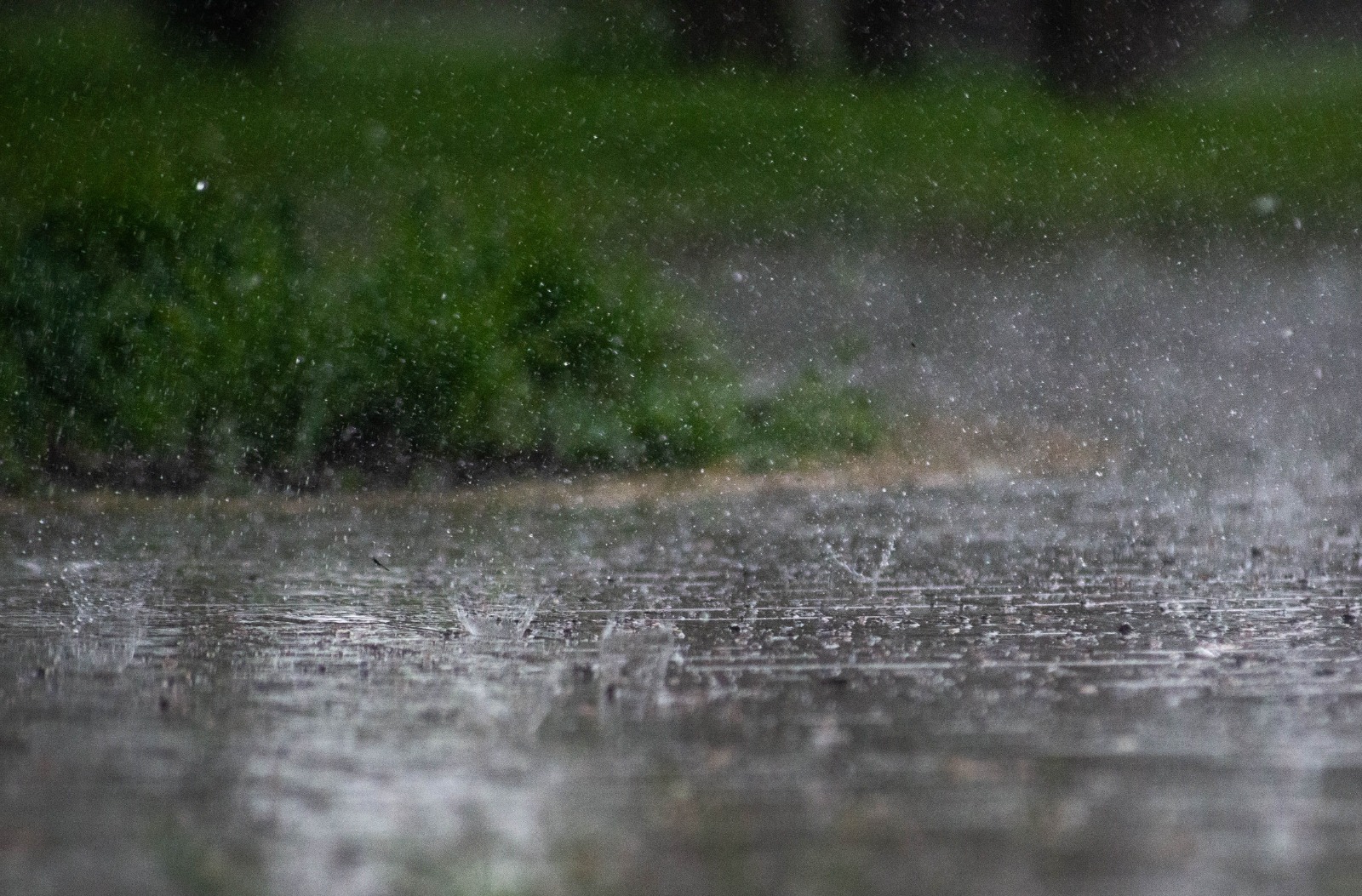
More than 360 millimetres of rain fell in 24 hours in parts of Chiba, according to Reuters. Around 7,000 travellers were stranded at Narita airport as flooding disrupted roads and rail services, while more than 20,000 homes lost power after a substation was flooded. Gas services were also disrupted for nearly 13,000 households.
The disruption highlights the interconnected nature of modern infrastructure. Airports depend on functioning road and rail networks, electricity supplies and communications systems. When flooding affects several components simultaneously, the economic impact can extend beyond the immediate area.
Narita is particularly important because it serves one of Japan's largest metropolitan areas and is a major international aviation gateway. Prolonged disruption can affect passenger flows, cargo movements, airport operators, airlines, hotels and businesses dependent on reliable logistics.
The incident also places greater emphasis on infrastructure resilience. Transport networks designed around historical weather patterns may face higher operational risks if extreme rainfall becomes more frequent or intense. Governments and infrastructure operators may therefore need to reassess drainage systems, power substations, transport redundancy and emergency-response capacity.
The immediate priority remains restoring essential services and supporting affected communities. But for policymakers, the longer-term question is whether investment in resilience can keep pace with the exposure of densely populated and economically important areas.
The financial implications are not limited to public expenditure. Businesses may face higher insurance costs, supply interruptions and additional capital requirements for climate adaptation. Infrastructure investors, meanwhile, may increasingly assess resilience as part of asset valuation and project selection.
Japan's response will therefore offer a useful indicator of how advanced economies manage infrastructure risk under increasingly severe weather conditions.
What to watch: The speed of transport and power restoration, further rainfall forecasts, infrastructure damage assessments and government spending on resilience will indicate the longer-term economic impact.