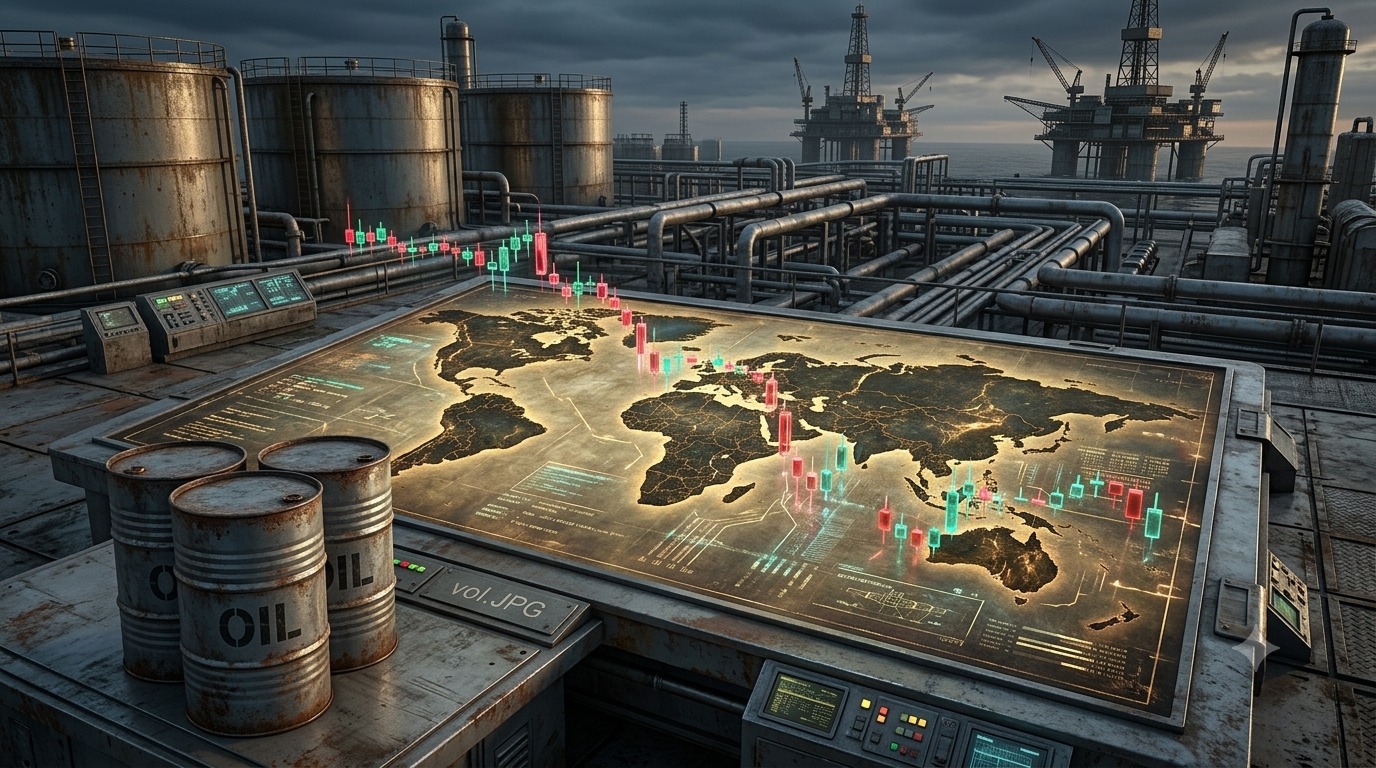
Crude prices have eased following signs of reduced immediate supply concerns, helping moderate inflation expectations and easing pressure on transportation, manufacturing and household energy costs. However, analysts say the underlying vulnerabilities exposed by recent geopolitical tensions remain unresolved.
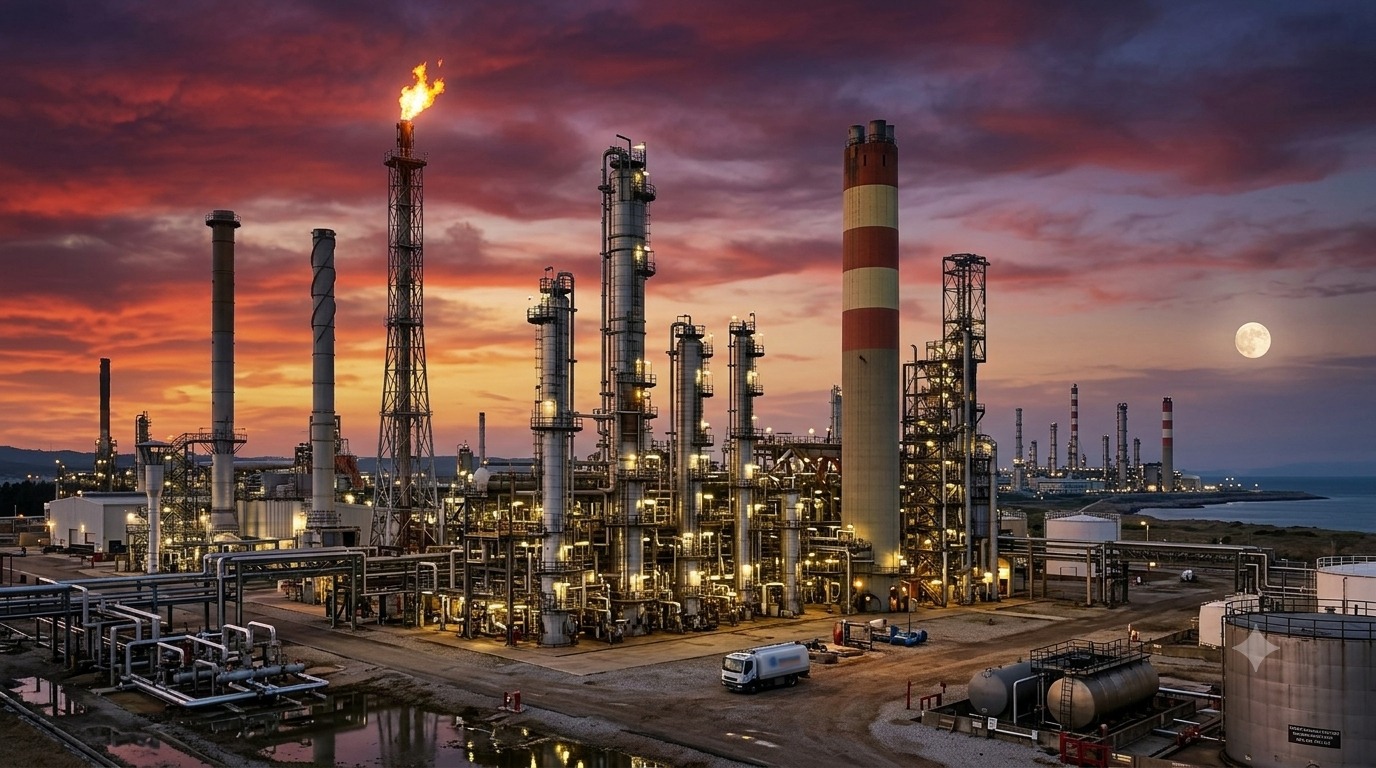
Governments across major economies are using the current period of relative stability to reassess energy strategies, expand infrastructure investment and strengthen contingency planning for future disruptions. Energy security has emerged as a central policy priority following repeated shocks linked to geopolitical conflict, supply-chain disruption and commodity market volatility.
Industry leaders are also evaluating lessons learned from recent market instability. Companies are increasing investment in storage capacity, grid modernisation, renewable energy integration and diversified fuel sourcing to reduce exposure to future supply interruptions.
The conversation has expanded beyond oil markets alone. Policymakers increasingly view energy resilience as an issue affecting industrial competitiveness, national security and economic stability. Infrastructure investment decisions are being shaped by the need to balance affordability, sustainability and reliability.
Financial markets are closely monitoring the implications for energy producers, utilities and infrastructure developers. Lower oil prices may provide short-term economic relief, but investors continue to focus on long-term demand trends, capital expenditure plans and policy support mechanisms.
Economists note that energy infrastructure remains one of the most important foundations of economic growth. Reliable and affordable energy influences everything from industrial production and transportation to healthcare systems and digital economies.
For businesses, the message is increasingly clear: while commodity prices may fluctuate, investment in resilience and infrastructure is becoming essential to navigating an increasingly uncertain global energy landscape.