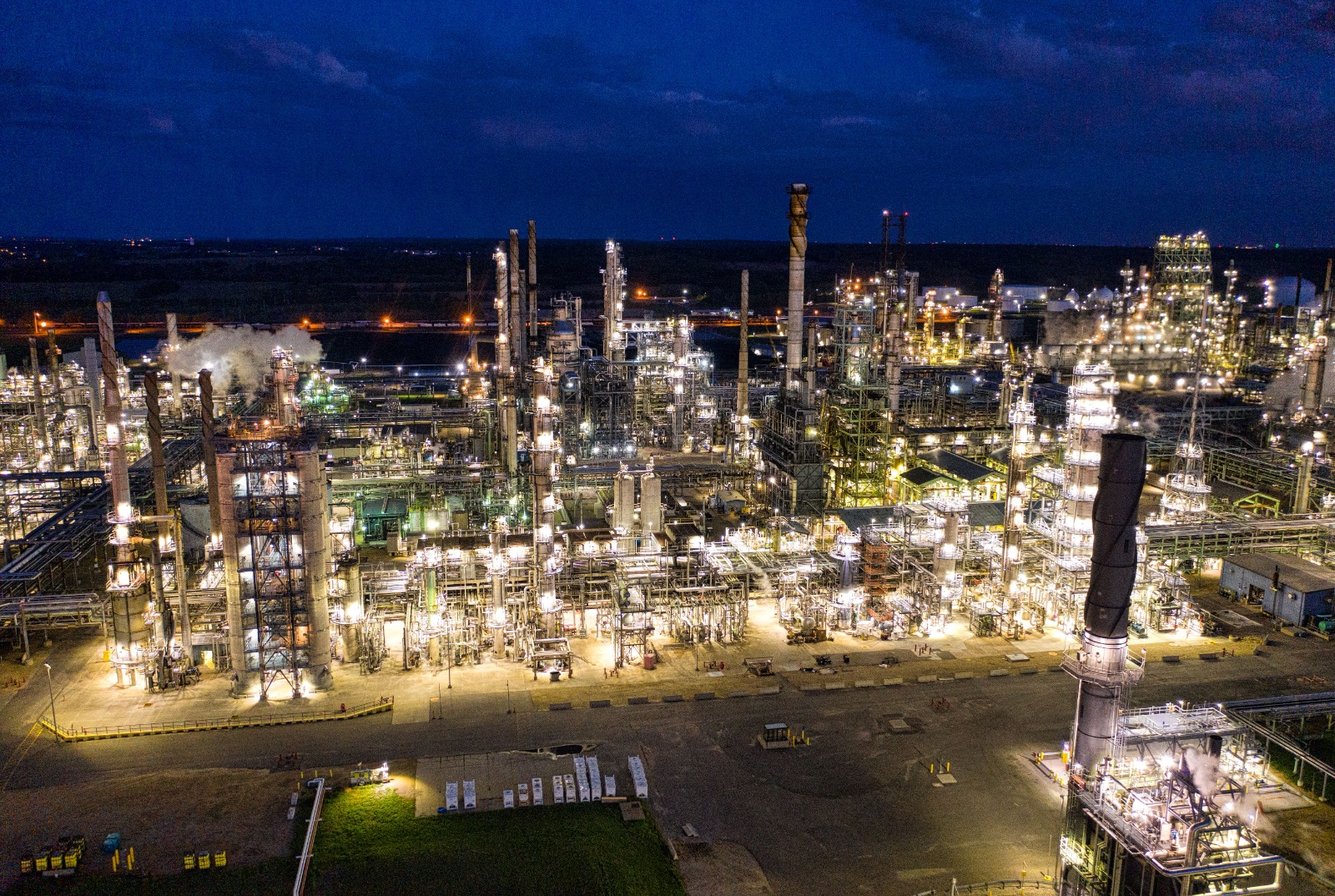

Brent crude and West Texas Intermediate futures held close to recent highs after reports of renewed military activity involving the United States and Iran heightened uncertainty surrounding one of the world's most strategically important energy-producing regions. Although there has been no immediate disruption to physical oil supplies, market participants continue to monitor developments closely, mindful that any escalation affecting shipping routes or regional production could tighten global energy markets. Reuters reported that investors remained focused on geopolitical developments, with crude prices supported by concerns that prolonged instability could affect future supply balances and broader market sentiment.
The latest developments underline the increasingly close relationship between geopolitical risk and global economic performance. Energy prices continue to influence inflation expectations, monetary policy decisions and business investment planning, particularly for industries heavily dependent on transportation, manufacturing and international logistics. A sustained rise in oil prices would increase operating costs across multiple sectors while complicating central banks' efforts to bring inflation back towards target levels.
Governments are also expected to intensify efforts to strengthen long-term energy resilience. Recent years have accelerated investment in strategic petroleum reserves, renewable energy projects, electricity transmission networks and alternative fuel infrastructure as policymakers seek to reduce exposure to external supply shocks. The current market environment is likely to reinforce those priorities, particularly among energy-importing economies seeking greater supply diversification.
For businesses, higher energy costs extend beyond fuel expenditure. Increased transportation expenses, shipping insurance premiums and supply chain uncertainty may place additional pressure on corporate margins, particularly for manufacturers, airlines, logistics providers and heavy industry. Institutional investors are therefore paying closer attention to infrastructure assets capable of improving energy reliability and reducing long-term operational risk.
Despite the current uncertainty, analysts note that global oil markets remain adequately supplied for now. However, the geopolitical risk premium embedded in energy prices is expected to remain elevated until greater clarity emerges regarding regional security and diplomatic developments.
What to Watch Next
Investors will continue monitoring developments in the Middle East alongside inventory data, OPEC+ production policy and global demand indicators, all of which are expected to influence energy prices and broader market sentiment in the coming weeks.