
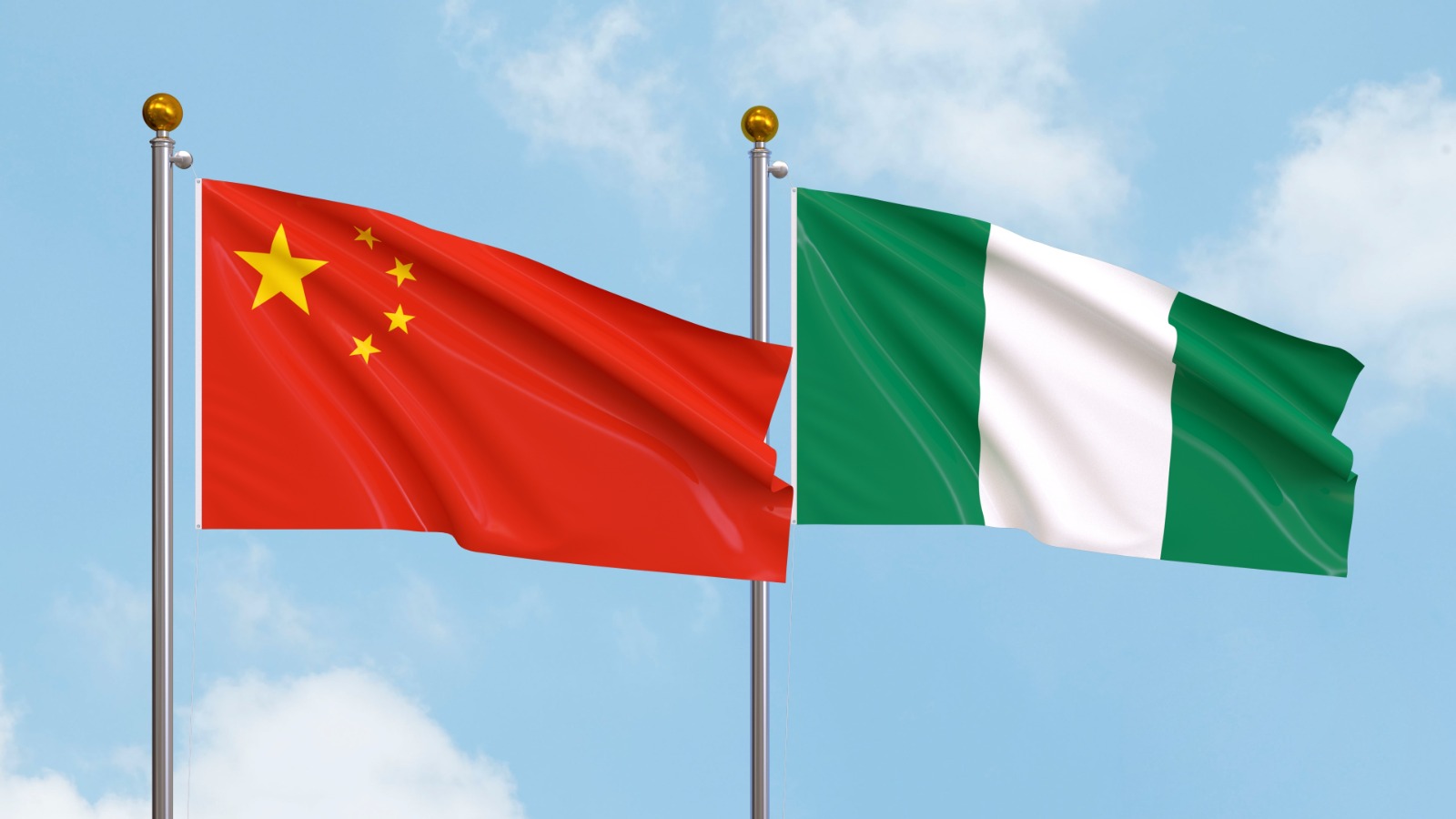
The figures were disclosed by Chinese Ambassador to Nigeria Yu Dunhai at a diplomatic reception in September and were subsequently highlighted during discussions on expanding trade and investment cooperation. Chinese imports from Nigeria increased by 81% during the six months, indicating stronger growth in the flow of Nigerian goods into the Chinese market.
The increase follows bilateral trade growth of more than 28% in 2025, when the total value reached approximately US$28 billion, according to figures reported by Nigerian business media. The latest performance points to continued expansion in commercial exchanges between the two countries, although the overall trade balance and the composition of individual product categories remain important considerations.
The relationship extends beyond the movement of goods. Nigerian officials and business representatives have increasingly emphasised the need to convert trade growth into investment partnerships, manufacturing capacity, technology transfer and employment. Discussions at a business-to-business trade fair in Lagos brought together hundreds of international exhibitors, including companies from Nigeria, China, Germany, India and the United Arab Emirates.
Lagos State Commissioner for Commerce, Cooperatives, Trade and Investment Folashade Ambrose-Medebem said stronger cooperation should focus on joint ventures capable of supporting sustainable jobs and economic development. The state has also promoted its Invest Lagos platform as a mechanism for connecting investment-ready projects with potential partners.
For Nigeria, the commercial opportunity lies in attracting capital and technical expertise into sectors such as manufacturing, renewable energy, infrastructure and export-oriented production. Chinese companies could gain access to Nigeria’s large consumer market and its position within the African Continental Free Trade Area, while Nigerian businesses could benefit from wider access to industrial inputs, equipment and distribution networks.
However, rising trade volumes do not automatically translate into stronger domestic industrial capacity. Policymakers will need to address concerns around import dependence, local production competitiveness, foreign-exchange requirements and the terms under which investment partnerships are structured.
The increase in Chinese imports from Nigeria is encouraging, but sustained gains will depend on the ability of local producers to meet international standards and expand the range of goods they can export.
The next phase of the relationship will therefore be measured not only by the value of bilateral trade, but by how effectively both countries translate commercial activity into productive investment, local value addition and more balanced economic benefits.