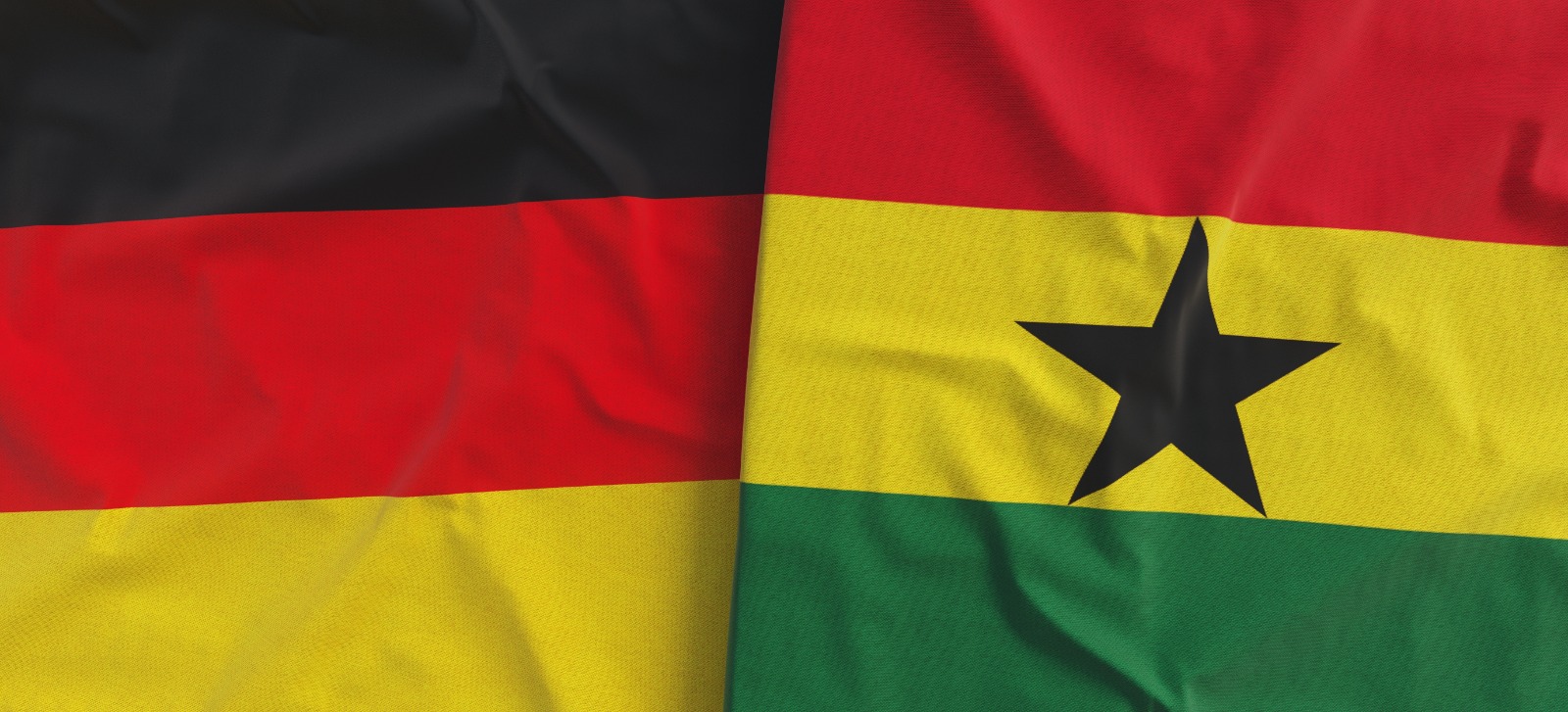
The summit, scheduled from 23 to 25 November, provides a platform for strengthening commercial relationships between Germany and African economies. It comes as Ghana seeks to attract capital into industrial development, infrastructure, agriculture, energy and technology, while positioning itself as a gateway to wider African markets.
Addressing the gathering, Mahama called on German companies to increase investment in Ghana and announced that the government would commit US$10 billion to its New Economy Programme over the next four years, covering 2027 to 2030. The programme is intended to accelerate industrialisation, create employment and expand productive capacity across priority sectors.
Its proposed areas of focus include agriculture and agro-processing, manufacturing, energy, infrastructure, pharmaceuticals, tourism, the creative industries, digital innovation and mineral beneficiation. The emphasis on local processing and value addition reflects Ghana’s ambition to retain more economic value from its natural resources and strengthen domestic industrial supply chains.
The government is also seeking partnerships that extend beyond conventional development assistance. Mahama highlighted trade, technology transfer, industrial cooperation and investment as important components of the country’s economic strategy. Ghana’s position within the African Continental Free Trade Area is another element of its investment proposition, offering companies a potential base from which to reach markets across the continent.
Germany has significant scope to expand its commercial presence in Africa. The German development agency GIZ has noted that only around 1% of German direct investment is in Africa and that the continent accounts for less than 2% of German exports. It has identified opportunities in manufacturing, healthcare, pharmaceuticals, digital services and the processing of strategic raw materials.
For Ghana, the challenge will be converting summit discussions and government commitments into bankable projects, financing agreements and measurable private-sector investment. Investors will assess regulatory predictability, infrastructure reliability, access to foreign exchange, taxation and the availability of skilled labour before committing capital.
The US$10 billion programme should therefore be understood as a government commitment and strategic investment framework, rather than confirmation that German businesses have already pledged an equivalent amount.
The summit offers Ghana an opportunity to strengthen its investment profile, but the programme’s impact will depend on implementation, financing discipline and the ability to translate international partnerships into productive assets and sustainable employment.