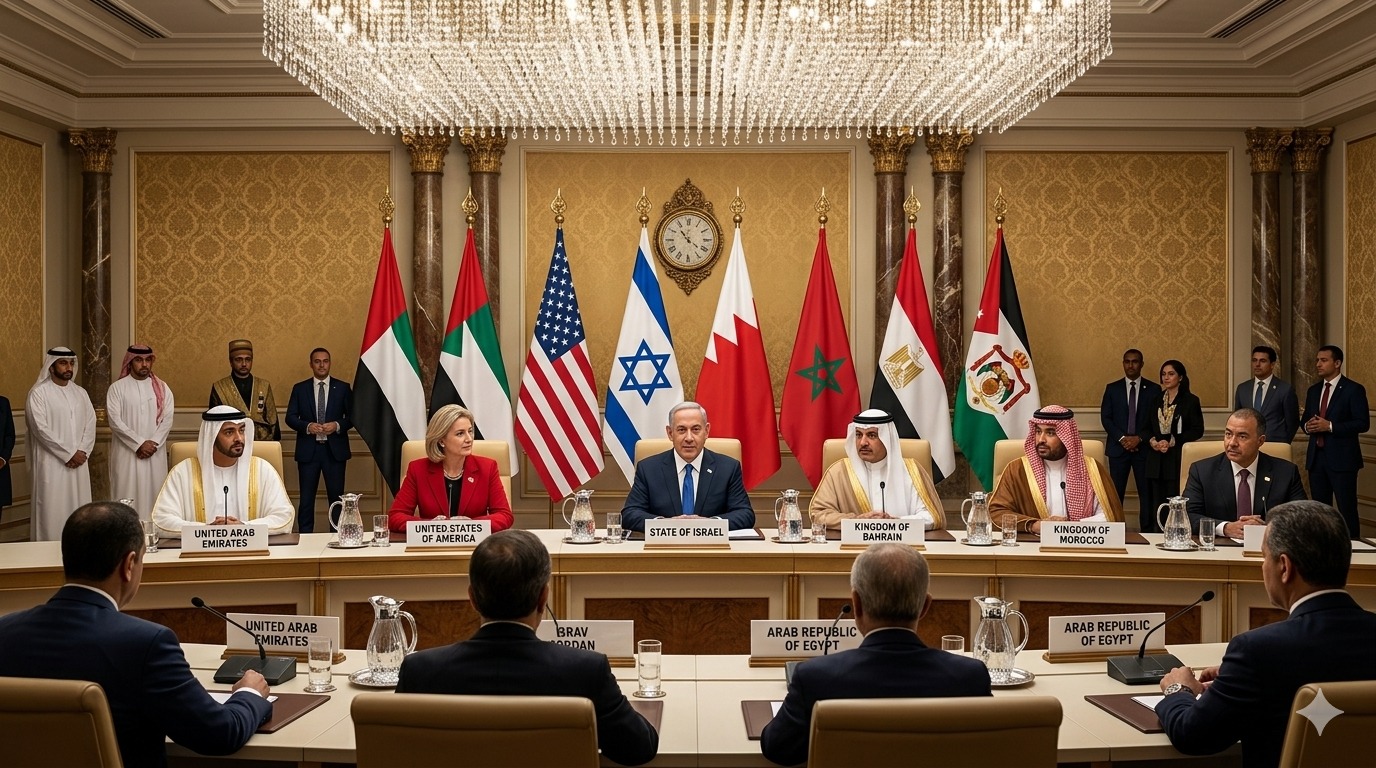
Recent progress in negotiations has eased fears of a prolonged disruption to global energy supplies and trade routes, prompting investors to reassess economic risks that had dominated market sentiment during the height of regional tensions.
Oil prices have stabilised after earlier volatility, while equity markets have responded positively to signs that diplomatic channels remain active. Investors view continued engagement between regional and international stakeholders as essential to sustaining confidence in global markets.
The attention of policymakers is now turning toward the broader economic implications of recovery. Governments, businesses and financial institutions are evaluating how renewed stability could affect investment flows, infrastructure development and regional economic integration.
Industry analysts say the transition from crisis management to economic reconstruction could create opportunities across sectors including energy, logistics, infrastructure and finance. Businesses that delayed investment decisions during the period of uncertainty may begin reassessing expansion plans if stability improves.
However, economists caution that lasting recovery will depend on implementation rather than announcements alone. Markets remain sensitive to geopolitical developments, and investors continue monitoring whether agreements translate into durable improvements in regional security.
International organisations are also emphasising the importance of rebuilding economic confidence, restoring trade relationships and supporting affected communities. These efforts are expected to play a critical role in ensuring that stability generates measurable economic benefits.
The episode has once again demonstrated how closely geopolitical developments and economic outcomes are connected. Energy markets, global supply chains and investor confidence all reacted rapidly to changing conditions.
For business leaders, the emerging challenge is determining whether the region is entering a period of sustained recovery or merely a temporary pause in geopolitical volatility.
The answer may shape investment decisions, market performance and economic prospects far beyond the Middle East in the months ahead.