Yet one critical question remains unanswered:
Which African companies are genuinely becoming globally competitive industrial champions?
While stock market indices measure financial performance and investment benchmarks track capital markets, Africa lacks a comprehensive framework that measures the strength, competitiveness and export readiness of its manufacturing companies and consumer brands.
The proposed Made in Africa Index seeks to address that gap.
Rather than ranking businesses solely by revenue or market capitalisation, the Index evaluates companies according to their ability to manufacture competitively, build internationally recognised brands, integrate into regional and global value chains, attract long-term investment and expand exports beyond domestic markets.
The objective is not simply to identify Africa's largest manufacturers.
It is to identify the companies capable of becoming the continent's next generation of industrial champions.
Such a framework provides valuable insight for investors evaluating manufacturing opportunities, governments designing industrial policies, development finance institutions supporting industrialisation and executives seeking to benchmark competitiveness against regional peers.
As global supply chains continue to diversify and African markets become more integrated through the African Continental Free Trade Area (AfCFTA), companies with scalable production, internationally recognised standards and resilient supply chains are likely to become increasingly important drivers of economic transformation.
Why It Matters
Africa has no shortage of entrepreneurial businesses.
What it lacks is sufficient scale in globally competitive manufacturing.
Despite steady growth in manufacturing value-added, from approximately US$285 billion in 2020 to US$351 billion in 2025, Africa still contributes less than 2% of global manufacturing output and only 1.4% of global manufacturing exports. These figures illustrate both the progress achieved and the substantial opportunity that remains.
Industrialisation has therefore become more than an economic aspiration.
It has become a strategic necessity.
Countries capable of producing internationally competitive consumer goods, processed agricultural products, pharmaceuticals, automotive components, industrial materials and technology products are more likely to generate higher-value employment, strengthen export earnings and reduce vulnerability to commodity price cycles.
However, industrial transformation requires more than factories.
It requires companies capable of competing internationally.
Successful industrial economies are built around businesses that consistently innovate, invest in quality, develop trusted brands and integrate into regional and global supply chains.
These companies become anchors for broader industrial ecosystems, supporting suppliers, logistics providers, financial institutions, research centres and skilled employment.
Africa already possesses many of these businesses.
The challenge is identifying them systematically and measuring how effectively they contribute to long-term industrial competitiveness.
What Is the Made in Africa Index?
The Made in Africa Index is proposed as a strategic benchmarking framework that tracks Africa's most export-ready manufacturers, consumer brands and industrial enterprises.
Unlike conventional corporate rankings that focus primarily on size, profitability or market value, the Index evaluates industrial competitiveness.
It asks a different set of questions.
Which companies consistently manufacture products that meet international standards?
Which firms generate meaningful export revenues?
Which businesses continue investing in production capacity, technology and research?
Which brands have successfully expanded beyond their domestic markets?
Which manufacturers are strengthening regional value chains under AfCFTA?
By focusing on these indicators, the Index becomes more than a ranking.
It becomes a strategic intelligence tool capable of identifying emerging industrial leaders before they become global champions.
For institutional investors, it provides a framework for assessing long-term industrial opportunity.
For governments, it offers evidence on which sectors are becoming internationally competitive.
For manufacturers, it creates a benchmark for measuring progress against continental peers.
Ultimately, the Index shifts attention away from short-term corporate performance and towards the broader question of how African businesses are contributing to structural economic transformation.
The Five Pillars of the Made in Africa Index
To ensure credibility, the Index should assess companies across five interconnected dimensions.
1. Export Competitiveness
The first pillar evaluates whether a company has successfully expanded beyond its domestic market.
Indicators include export revenues, geographic market diversification, participation in international supply chains and compliance with export standards.
Companies consistently selling into multiple regional and international markets demonstrate greater resilience than firms dependent on a single domestic economy.
2. Manufacturing Capability
Industrial competitiveness begins with production.
This pillar measures investment in manufacturing facilities, production technology, automation, operational efficiency, workforce capability and quality management systems.
Businesses capable of scaling production while maintaining internationally recognised standards are more likely to compete successfully in global markets.
3. Brand Strength
Global competitiveness increasingly depends on reputation.
Strong African brands demonstrate customer trust, product consistency, innovation and market recognition across multiple countries.
Rather than competing solely on price, successful brands create long-term value through quality, reliability and differentiated market positioning.
4. Value Addition
One of Africa's longstanding economic challenges has been exporting raw materials while importing finished products.
The Index therefore rewards companies that retain greater economic value within Africa through processing, manufacturing, product development and industrial innovation.
Businesses transforming local resources into higher-value products contribute more significantly to industrial development than those exporting unprocessed commodities.
5. Sustainability and Industrial Resilience
Modern manufacturing competitiveness increasingly depends upon environmental performance, supply-chain resilience, responsible governance and technological adaptation.
Companies investing in renewable energy, resource efficiency, workforce development and resilient supply chains will likely maintain stronger long-term competitiveness as global manufacturing standards continue to evolve.
Together, these five pillars provide a more comprehensive measure of industrial leadership than traditional financial rankings alone.
They assess not simply who is largest today, but who is best positioned to become tomorrow's globally competitive industrial champion.
Africa's Export-Ready Industrial Champions
Africa's next generation of industrial growth will not be defined by the number of factories operating across the continent, but by the emergence of companies capable of competing consistently in regional and global markets.
The latest industrial evidence suggests that Africa is undergoing what the African Development Bank describes as a "silent but irreversible" industrial transition, although progress remains concentrated in a relatively small number of countries and sectors. Forty-one of Africa's 54 economies improved their industrialisation performance between 2010 and 2024, yet industrial integration remains shallow and manufacturing still accounts for less than 2% of global output.
Against this backdrop, the Made in Africa Index is designed to identify companies that are building long-term industrial capability rather than simply expanding domestic market share.
Industrial champions share several common characteristics.
They invest consistently in production capacity, expand beyond national markets, build resilient supply chains, adopt internationally recognised quality standards and create brands capable of competing alongside established global manufacturers.
While Africa's industrial landscape continues to evolve, several sectors already demonstrate these characteristics.
Construction Materials and Industrial Manufacturing
Construction materials remain one of Africa's strongest manufacturing success stories.
Demand generated by rapid urbanisation, infrastructure development and industrial expansion has enabled several African manufacturers to achieve regional scale while reducing dependence on imported products.
Companies operating in cement, steel, glass, ceramics and industrial chemicals increasingly serve multiple African markets, demonstrating how regional manufacturing can generate competitive advantages.
Among the continent's most recognised industrial groups, Dangote Group has built integrated operations spanning cement, fertiliser, sugar and petroleum refining, creating one of Africa's largest industrial ecosystems. In the 2026 Brand Africa rankings, Dangote was recognised as Africa's most admired industrial brand, reflecting the growing importance of home-grown manufacturing champions.
The broader opportunity extends beyond individual companies.
Construction materials illustrate how industrial ecosystems can stimulate demand across mining, transport, engineering, logistics and financial services while strengthening domestic value chains.
Consumer Goods and FMCG
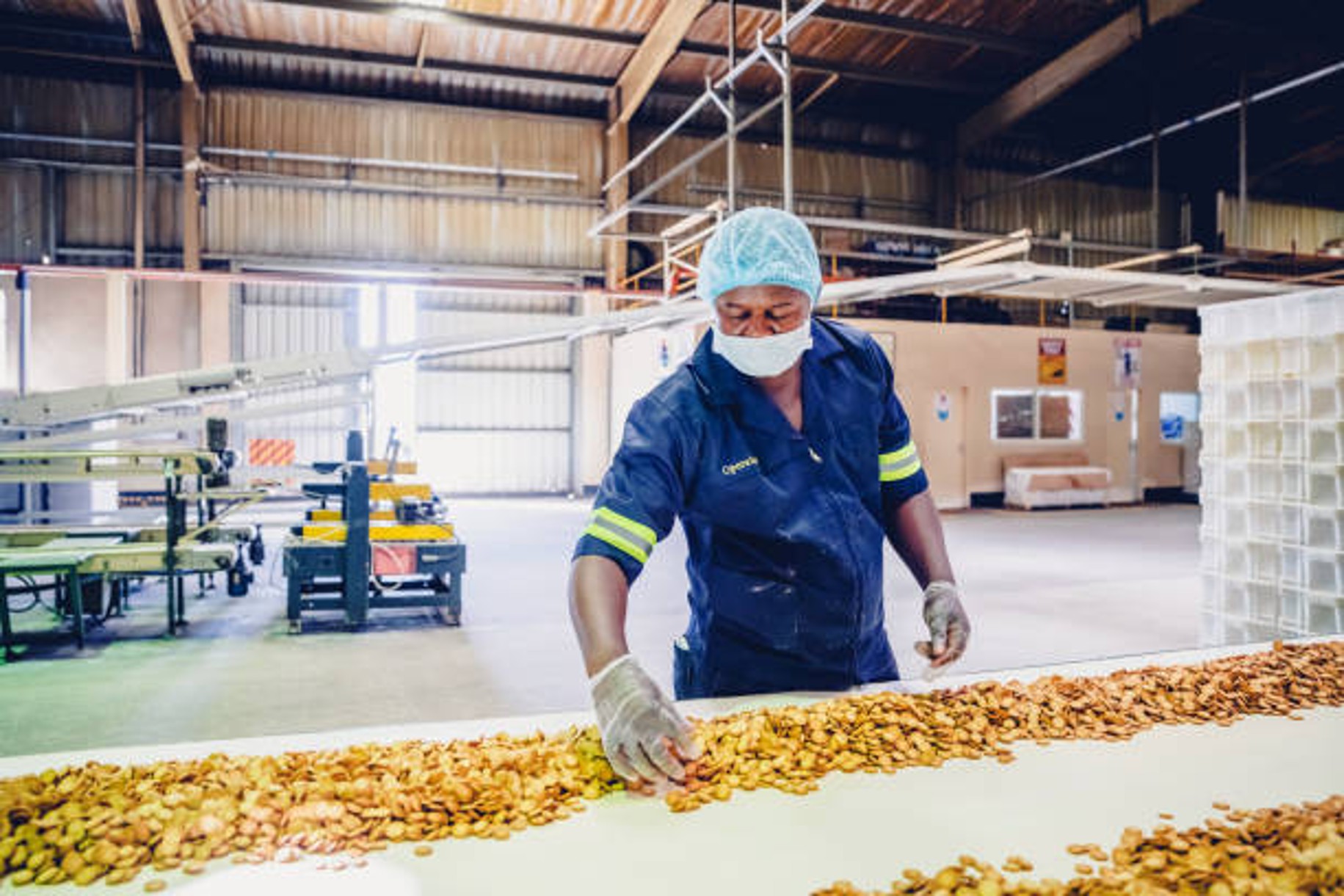
Fast-moving consumer goods (FMCG) remain one of the most attractive segments within Africa's manufacturing economy.
Population growth, urbanisation and rising household incomes continue to expand demand for packaged food, beverages, household products and personal care goods.
Regional manufacturers have demonstrated that African brands can compete successfully when they combine local market knowledge with consistent quality and efficient distribution.
Companies such as Zambia's Trade Kings Group and Tanzania's Bakhresa Group (Azam) have expanded across multiple product categories and international markets, illustrating how diversified manufacturing can support regional competitiveness. Both companies feature prominently among Africa's most admired industrial brands in 2026.
Their growth reflects a broader structural trend.
Successful manufacturers increasingly build integrated businesses spanning production, distribution, logistics and retail relationships rather than focusing solely on factory output.
Automotive and Advanced Manufacturing
Automotive manufacturing remains one of Africa's most sophisticated industrial sectors.
Morocco's emergence as Africa's highest-ranked industrial economy has been driven in large part by sustained investment in automotive production, export diversification and industrial policy. Major international manufacturers have established production facilities serving European, Middle Eastern and African markets, while supplier networks continue to deepen around these industrial clusters.
South Africa remains a significant automotive manufacturing hub despite increasing competitive pressure, while countries including Egypt, Kenya, Rwanda and Ghana continue expanding vehicle assembly and component manufacturing.
The long-term opportunity lies not only in assembling vehicles but in developing competitive supplier ecosystems producing components, electronics, batteries and engineering services.
Agro-Processing
Africa possesses abundant agricultural resources, yet much of the continent's agricultural production continues to be exported before significant processing occurs.
Industrial champions within agro-processing are beginning to change this pattern.
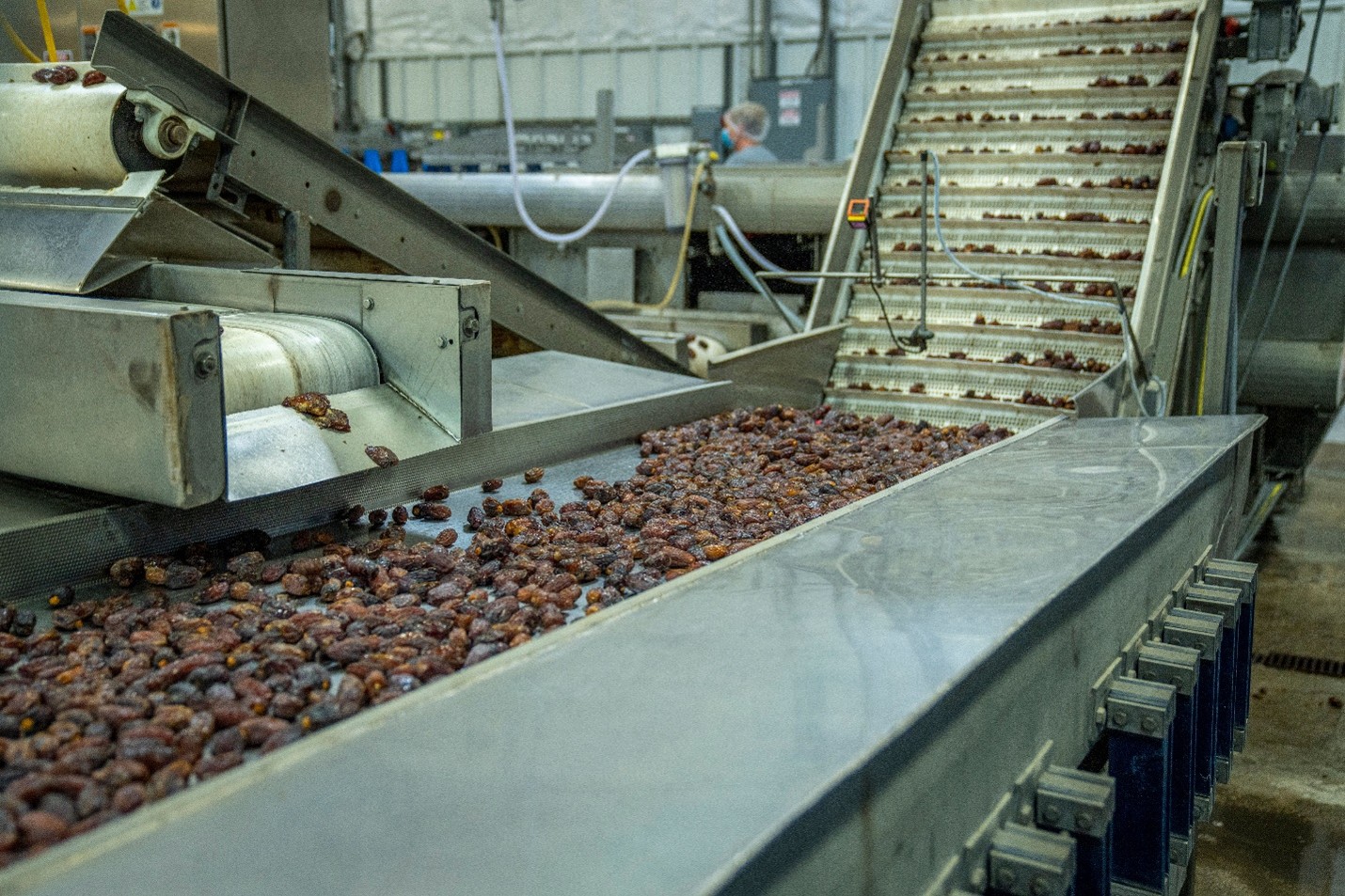
Manufacturers producing processed foods, edible oils, beverages, dairy products, cocoa products and packaged agricultural goods demonstrate how value addition can strengthen both export earnings and food security.
Rather than competing primarily on commodity pricing, these businesses compete through product quality, branding, processing capability and regional distribution.
As AfCFTA expands regional trade, agro-processing companies capable of serving multiple African markets are likely to become increasingly attractive to investors seeking long-term industrial growth.
Pharmaceuticals and Healthcare Manufacturing
Healthcare manufacturing represents one of Africa's fastest-emerging strategic industries.
Recent investments in vaccine production, generic medicines and pharmaceutical manufacturing reflect growing recognition that health security depends partly on domestic production capability.
The African Development Bank has also continued supporting industrial projects linked to healthcare manufacturing, including investments that strengthen pharmaceutical production capacity and industrial ecosystems across the continent.
Companies capable of meeting international regulatory standards while serving expanding African healthcare markets may become important contributors to future export growth.
Renewable Energy and Industrial Technology
The transition towards cleaner energy is creating entirely new manufacturing opportunities.
Battery production, renewable energy equipment, electrical components, industrial automation and critical mineral processing all represent industries where Africa possesses significant long-term potential.
Recent investments; including financing for Morocco's lithium iron phosphate battery manufacturing ecosystem, illustrate how industrial policy is increasingly moving beyond resource extraction towards higher-value manufacturing.
The companies emerging in these sectors may become the next generation of African industrial champions.
Regional Industrial Outlook
The geography of African industrialisation is becoming increasingly differentiated.
North Africa
North Africa continues to lead the continent in manufacturing sophistication, export diversification and industrial investment.
Morocco and Egypt have attracted substantial manufacturing investment across automotive production, aerospace, renewable energy, food processing and industrial equipment.
According to the Africa Industrialisation Index and the inaugural Africa Industrial Investment Barometer, North Africa attracted 56% of cumulative industrial investment between 2020 and 2025, making it the continent's leading industrial investment destination.
Southern Africa
Southern Africa retains significant industrial capacity, particularly in automotive manufacturing, mining equipment, chemicals and construction materials.
However, recent assessments suggest that while the region continues attracting high-value investment, greater localisation of supplier networks remains necessary to strengthen domestic value creation.
West Africa
West Africa possesses substantial opportunities in agro-processing, consumer goods, fertilisers, construction materials and food manufacturing.
However, much of the region's industrial activity remains concentrated in first-stage processing rather than higher-value manufacturing.
Increasing domestic processing capacity represents one of the region's largest industrial opportunities.
East Africa
East Africa continues strengthening regional value chains through deeper economic integration, manufacturing investment and agricultural processing.
The region's relatively strong productive integration demonstrates how coordinated regional markets can support industrial competitiveness beyond individual national economies.
Central Africa
Central Africa remains rich in natural resources but continues exporting a significant proportion of raw commodities with limited downstream processing.
Future industrial competitiveness will depend increasingly on expanding domestic manufacturing capacity alongside resource extraction rather than relying solely on commodity exports.
Capital Flow Trends
Capital is increasingly flowing towards Africa's industrial economy, but the pattern of investment is changing.
Historically, much of the continent's investment was concentrated in extractive industries such as oil, gas and mining. Today, investors are placing greater emphasis on manufacturing, industrial infrastructure, renewable energy, automotive production, pharmaceuticals and value-added processing as governments seek to diversify their economies and strengthen domestic production.
The African Development Bank's inaugural Africa Industrial Investment Barometer (AfIIB) highlights this shift by tracking not only the volume of industrial investment but also its quality, technological sophistication and contribution to productive capacity. Combined with the Africa Industrialisation Index 2025, the findings suggest that private capital is increasingly supporting sectors capable of strengthening regional value chains rather than simply extracting raw materials.
This trend reflects a broader structural change.
Investors are increasingly assessing African opportunities through the lens of long-term industrial competitiveness rather than short-term commodity cycles.
Manufacturing Is Becoming a Strategic Asset
Global supply chains continue to diversify as manufacturers seek greater resilience against geopolitical uncertainty, shipping disruptions and concentrated production networks.
This creates opportunities for African manufacturers that can demonstrate consistent quality, competitive production costs and reliable logistics.
Countries that have invested in industrial infrastructure and export-oriented manufacturing are already attracting larger pools of international capital.
Morocco, for example, has emerged as Africa's highest-ranked industrial economy, supported by sustained investment in automotive manufacturing, renewable energy, aerospace and industrial technology. According to the African Development Bank, this reflects a broader "silent but irreversible" industrial transition taking place across the continent, although progress remains uneven.
Industrial Investment Is Becoming More Diversified
Industrial investment is no longer concentrated solely in traditional manufacturing.
Emerging areas attracting capital include:
Battery manufacturing and electric mobility.
Pharmaceutical production and biotechnology.
Food processing and agro-industrial value chains.
Renewable energy equipment.
Industrial logistics and warehousing.
Digital manufacturing technologies.
Advanced packaging and materials processing.
Recent financing for Africa's first lithium iron phosphate battery gigafactory in Morocco illustrates how investors are increasingly backing higher-value manufacturing ecosystems rather than isolated industrial projects.
Regional Integration Is Improving Investment Quality
AfCFTA is gradually changing how investors evaluate African manufacturing.
Rather than viewing individual national markets in isolation, manufacturers increasingly consider the continent as a larger integrated production base.
This allows businesses to build regional supply chains, specialise production across multiple countries and achieve greater economies of scale.
The Africa Industrialisation Index 2025 argues that productive regional integration remains one of the continent's greatest untapped industrial advantages and will be central to attracting long-term private investment.
Strategic Risks
Despite growing momentum, Africa's industrial transition continues to face significant structural challenges.
Infrastructure Remains Uneven
Reliable electricity, efficient transport networks, modern ports and integrated logistics systems remain unevenly distributed across the continent.
Manufacturers operating in high-cost logistics environments face reduced competitiveness compared with international peers.
Industrial policy therefore requires continued investment in infrastructure alongside manufacturing incentives.
Limited Domestic Value Addition
Although industrial investment is increasing, substantial value continues to leave the continent through exports of unprocessed or minimally processed commodities.
The challenge is no longer attracting investment alone.
It is ensuring that investment creates domestic production capability, supplier development and higher-value manufacturing.
Financing Constraints
Long-term industrial finance remains limited across many African economies.
Manufacturing requires patient capital for machinery, technology, workforce development and export expansion.
Expanding access to development finance, pension capital, export credit and blended finance will remain essential if industrial champions are to scale successfully.
Global Competition
African manufacturers continue competing with established producers across Asia, Europe and Latin America.
Success will depend less on competing through low costs and more on building productivity, innovation, internationally recognised standards and trusted brands.
Policy Consistency
Industrial investment often requires planning horizons extending over decades.
Frequent changes to taxation, customs procedures, industrial incentives or trade policy can discourage long-term investment.
Countries providing stable regulatory environments, transparent institutions and predictable industrial strategies will remain better positioned to attract sustained manufacturing investment.
What Decision-Makers Should Do Next
For Business Leaders
Executives should treat export readiness as a core strategic capability.
Priority investments should include production efficiency, quality assurance, automation, internationally recognised certifications and brand development.
Manufacturers should also diversify export markets rather than relying heavily on single-country demand.
For Investors
Investors should evaluate manufacturing opportunities through ecosystem thinking.
The strongest long-term returns are likely to emerge from integrated industrial clusters where manufacturers operate alongside logistics providers, engineering firms, research institutions, renewable energy providers and financial services.
Supporting industrial ecosystems creates more resilient value than financing isolated production facilities.
For Governments
Industrial policy should focus on competitiveness rather than protection.
Governments should continue improving transport infrastructure, electricity reliability, customs efficiency, industrial finance, technical education and regulatory certainty.
Accelerating AfCFTA implementation remains one of the most effective ways to increase manufacturing scale and attract additional private investment.
For Development Finance Institutions
Development finance institutions should continue catalysing investment through blended finance, guarantees, technical assistance and industrial infrastructure projects.
Reducing commercial risk remains essential to mobilising significantly larger pools of private capital into manufacturing and industrial value chains.
Executive Outlook
Africa's industrial future will not be determined by the volume of raw materials it exports, but by the strength of the companies that transform those resources into globally competitive products.
Over the past decade, the continent has made measurable progress in industrialisation. Manufacturing value-added has increased, industrial investment is expanding and more African economies are implementing long-term industrial strategies. Yet Africa still represents less than 2% of global manufacturing output and only 1.4% of global manufacturing exports, underscoring the scale of the opportunity that remains.
The challenge is no longer identifying sectors with potential.
The challenge is identifying the businesses capable of leading Africa's next industrial chapter.
This is where the Made in Africa Index becomes strategically significant.
Rather than serving as another corporate ranking, the Index provides a practical framework for measuring industrial competitiveness across the continent. It shifts attention from company size to long-term industrial capability, evaluating whether businesses are building export-ready production systems, creating internationally recognised brands, investing in innovation and embedding themselves within regional and global value chains.
For investors, the Index can become an early indicator of companies likely to benefit from Africa's structural industrial transition.
For policymakers, it offers an evidence-based tool for assessing whether industrial policies are producing internationally competitive manufacturers rather than protected domestic producers.
For development finance institutions, it provides a framework for directing capital towards businesses capable of generating broader economic spillovers through employment, supplier development and export growth.
For corporate leaders, it establishes a benchmark against which manufacturing performance, operational excellence and export readiness can be measured.
Looking ahead, several structural forces are expected to reinforce the importance of industrial competitiveness.
AfCFTA is gradually creating a larger integrated market for manufacturers. Global supply chains continue to diversify as companies seek resilience and geographic balance. Demand for sustainable production, responsible sourcing and traceable supply chains is increasing. At the same time, rapid advances in automation, digital manufacturing and industrial technologies are reshaping how companies compete internationally. African manufacturers that invest early in technology, productivity and workforce capability will be better positioned to capture these opportunities.
Industrial leadership will therefore be determined less by access to natural resources and more by execution.
The companies that emerge as Africa's industrial champions will be those capable of producing consistently, meeting international standards, building trusted brands, attracting long-term investment and expanding across multiple markets.
Ultimately, the Made in Africa Index is not simply about measuring industrial performance.
It is about measuring Africa's capacity to compete.
It reflects a broader shift in the continent's economic narrative, from exporting raw materials to exporting value-added products; from fragmented domestic industries to integrated regional production systems; and from isolated manufacturing successes to globally recognised industrial champions.
For serious decision-makers, the question is no longer whether Africa can industrialise.
The more important question is which companies, sectors and economies are building the capabilities that will define the continent's industrial future.
Sources & Methodology
This analysis combines Aldrenor's editorial framework with current institutional research and publicly available economic data. Core evidence was drawn from the African Development Bank's Africa Industrialisation Index 2025, the Africa Industrial Investment Barometer (AfIIB), the African Economic Outlook 2026, and the Africa's Macroeconomic Performance and Outlook reports. These were supplemented with reporting from Reuters on industrial investment and manufacturing developments where appropriate.
The proposed Made in Africa Index is an original Aldrenor analytical framework. It is not an existing commercial or institutional index. It is presented as a strategic benchmarking model designed to evaluate export readiness, manufacturing capability, brand strength, value addition and industrial resilience among African manufacturers and consumer brands. Its purpose is to stimulate evidence-based discussion around Africa's industrial competitiveness and provide a decision-support framework for executives, investors, policymakers and development finance institutions.
Consistent with Aldrenor's Premium Intelligence methodology, the article combines institutional research, market developments, industrial policy analysis and long-term structural trends. It is intended to support strategic decision-making and should not be interpreted as investment, financial or legal advice.