
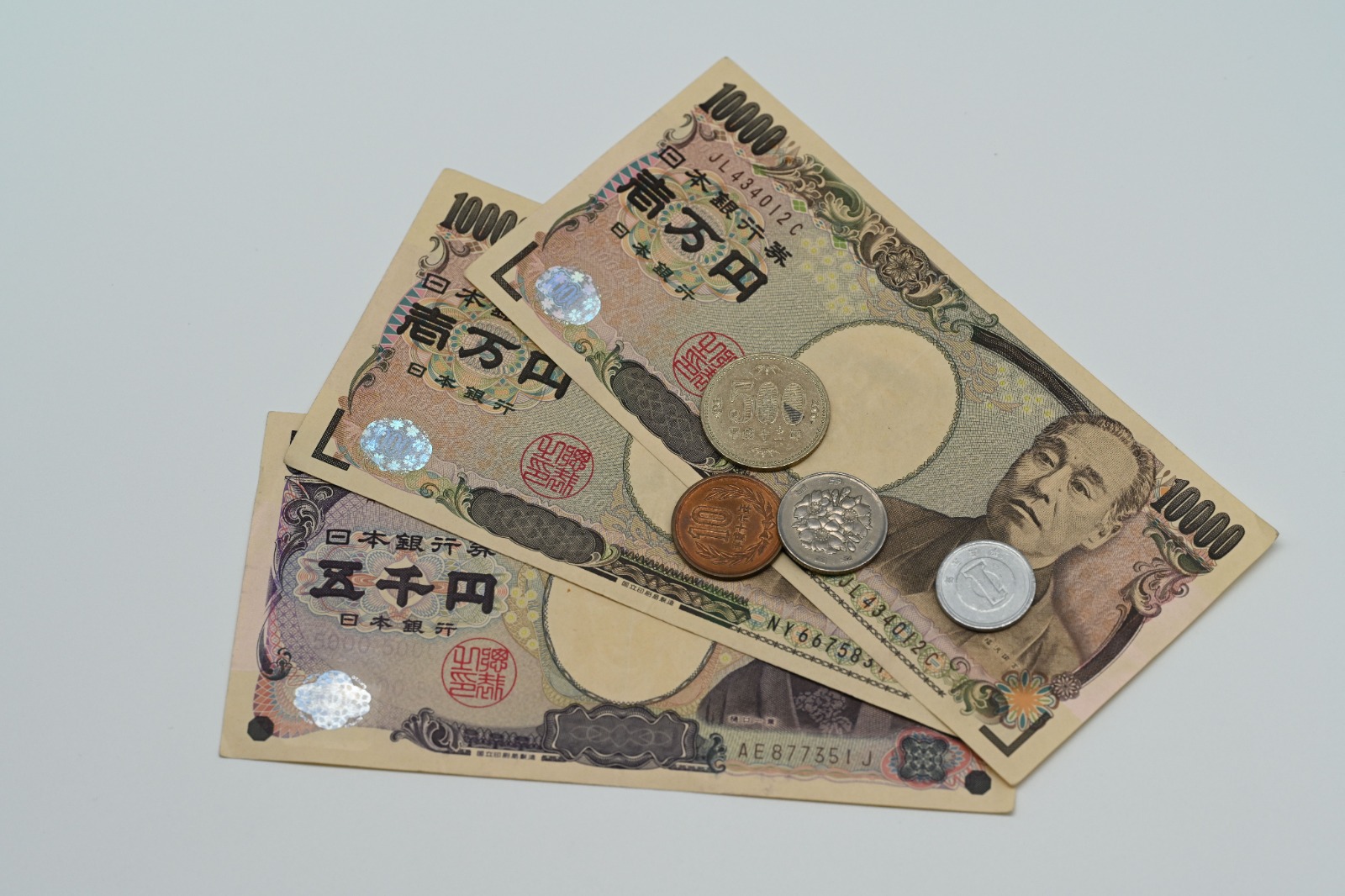
The Bank of Japan is expected to raise interest rates on Friday, although market expectations remain focused on the size and timing of any increase.
Some policymakers have considered a more aggressive half-percentage-point move, while financial markets have generally priced a quarter-point increase. The debate reflects growing concern over inflation and the yen's recent weakness.
The Japanese currency fell towards 155.50 per dollar on Thursday after the Federal Reserve raised US rates by 25 basis points. Japan's government said it would continue communicating closely with the United States while seeking to maintain orderly currency markets.
The yen had previously strengthened to around 152.89 against the dollar earlier this month as investors increased expectations of faster Bank of Japan tightening.
Higher Japanese interest rates could have implications for global capital flows because Japanese investors hold substantial portfolios of foreign bonds and equities.
For years, relatively low Japanese borrowing costs have encouraged investors to seek higher returns overseas. A narrowing interest-rate differential between Japan and the United States could therefore influence the attractiveness of overseas assets and the cost of financing in international markets.
The Bank of Japan must nevertheless balance inflation concerns against the risks of tightening too quickly.
A stronger yen could reduce the cost of imported energy and other commodities, potentially helping to contain inflation. At the same time, a sharp currency movement could affect Japanese exporters and corporate earnings.
The decision also comes amid a broader shift in global monetary policy. The Federal Reserve has moved towards tighter conditions, while the Bank of England is assessing the effect of rising energy prices on UK inflation.
For investors, the Bank of Japan's guidance could be as important as the rate decision itself. Markets will be watching for indications about the pace of future tightening and the central bank's assessment of wage growth, inflation and economic activity.
The outcome could influence the yen, Japanese government bonds and international fixed-income markets.
As major central banks increasingly respond to renewed inflation pressures, Japan's monetary-policy direction is becoming an important factor in determining the flow of global capital.