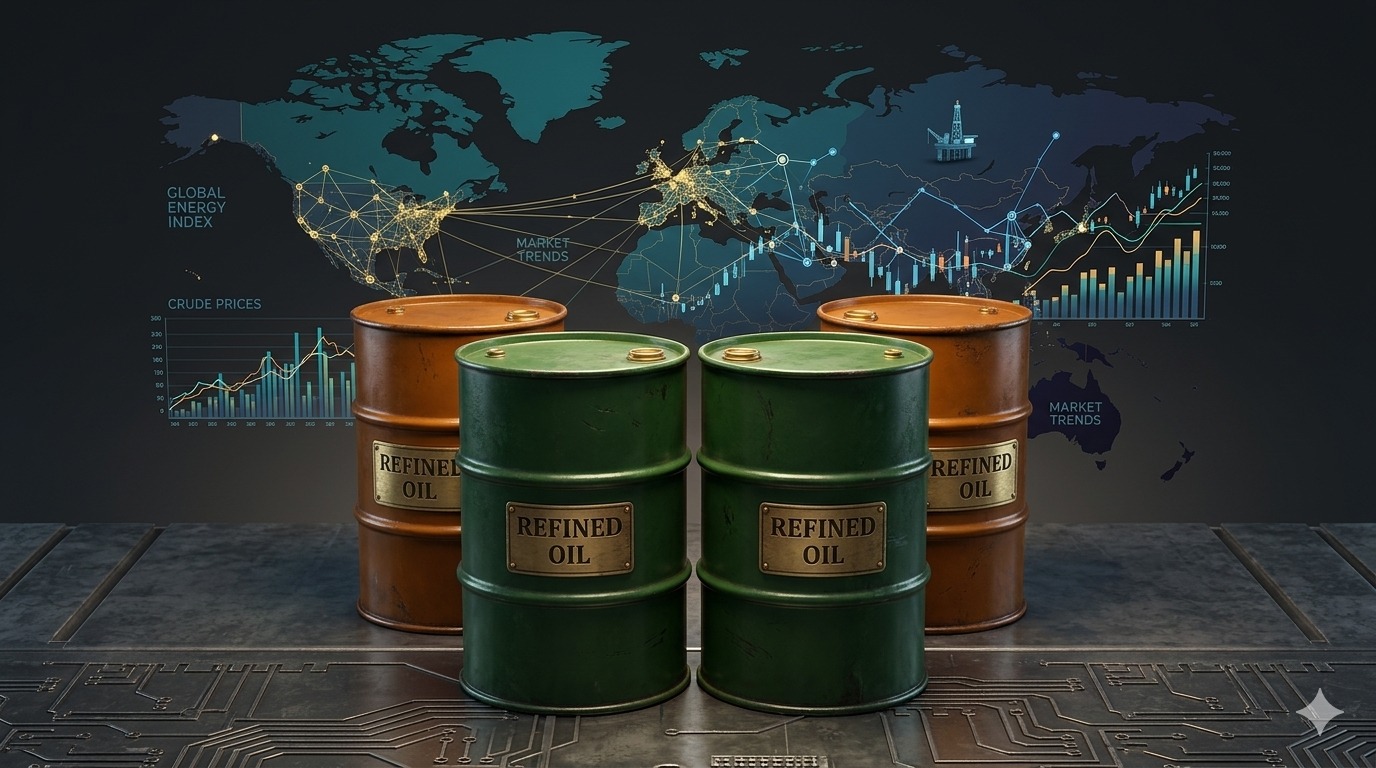
While recent diplomatic developments have helped ease concerns surrounding potential disruptions to energy markets, analysts say the underlying economic challenges facing major economies remain largely unchanged. Investors continue to assess slowing growth, elevated borrowing costs and persistent inflation risks that could influence business activity through the second half of the year.
Equity markets have shown signs of resilience as fears of an immediate energy shock recede. However, portfolio managers caution that market sentiment remains fragile, particularly as central banks navigate competing pressures between supporting growth and controlling inflation.
Corporate earnings expectations are also under renewed scrutiny. Businesses across manufacturing, retail, technology and transportation sectors continue to face cost pressures linked to supply-chain adjustments, labour market dynamics and geopolitical uncertainty.
Economists note that markets are entering a period where structural economic questions may prove more important than short-term geopolitical events. Productivity growth, investment levels and consumer spending trends are increasingly shaping investor expectations.
The shift in focus reflects a broader reassessment of global economic prospects. Investors are closely monitoring data on inflation, employment and industrial activity to determine whether economies can sustain growth amid tighter financial conditions.
Emerging markets remain particularly sensitive to changes in global capital flows and interest-rate expectations. Any prolonged period of elevated borrowing costs could influence investment decisions and economic performance across developing economies.
For financial markets, the challenge now lies in balancing optimism around geopolitical de-escalation with caution regarding the broader growth outlook. The next phase of market performance may depend less on conflict developments and more on the underlying strength of the global economy.