Unlike previous investment cycles, today's risks are no longer isolated. Currency volatility affects debt sustainability. Regulatory uncertainty influences capital flows. Elections shape fiscal policy. Geopolitical tensions alter trade routes, commodity prices and financing conditions. Together, these forces create a dynamic operating environment that requires disciplined risk assessment rather than broad assumptions about the continent.
Despite these challenges, Africa remains an attractive destination for long-term capital. Structural drivers; including demographic expansion, digital adoption, urbanisation, infrastructure demand and the implementation of the African Continental Free Trade Area (AfCFTA), continue to underpin investment opportunities across sectors.
The question for investors is therefore not whether risk exists.
The question is which risks are temporary, which are structural, and how institutions can position themselves to capture long-term value while protecting capital.
Successful investors are increasingly moving beyond country-level assessments towards multidimensional risk frameworks that evaluate macroeconomic fundamentals, regulatory quality, political stability, debt sustainability and external market exposure simultaneously.
In an environment where capital has become more selective and financing conditions remain tight, understanding Africa's evolving risk landscape is becoming as important as identifying investment opportunities themselves.
Why It Matters
Investment decisions are no longer driven solely by growth projections.
Institutional investors increasingly evaluate markets through the lens of resilience, governance and policy credibility.
For African economies seeking to attract long-term capital, this represents a fundamental shift.
Competitive tax regimes or abundant natural resources alone are no longer sufficient.
Investors now seek confidence that exchange rates are broadly stable, regulations are predictable, debt remains sustainable and political transitions are unlikely to disrupt commercial activity.
These considerations have become particularly important as global financial conditions remain tighter than during the previous decade.
Higher global interest rates have increased borrowing costs, strengthened the US dollar and reduced investor appetite for higher-risk assets. This has placed additional pressure on emerging and frontier markets, including many African economies. At the same time, geopolitical tensions—from conflicts affecting global shipping lanes to evolving trade relationships between major powers—continue to reshape capital allocation decisions.
For Africa, the implications are significant.
Governments face higher refinancing costs, businesses confront more volatile exchange rates, and investors apply greater scrutiny to sovereign fundamentals before committing capital.
Yet this environment also creates opportunities.
Countries implementing credible economic reforms, improving fiscal management and strengthening institutional governance are increasingly distinguishing themselves from peers. Investors are becoming more selective rather than withdrawing altogether, rewarding markets that demonstrate policy consistency and macroeconomic discipline.
Understanding risk therefore becomes a source of competitive advantage.
Executives capable of distinguishing temporary market volatility from long-term structural weakness will be better positioned to allocate capital effectively.
The Five Risk Pillars
1. Currency Risk
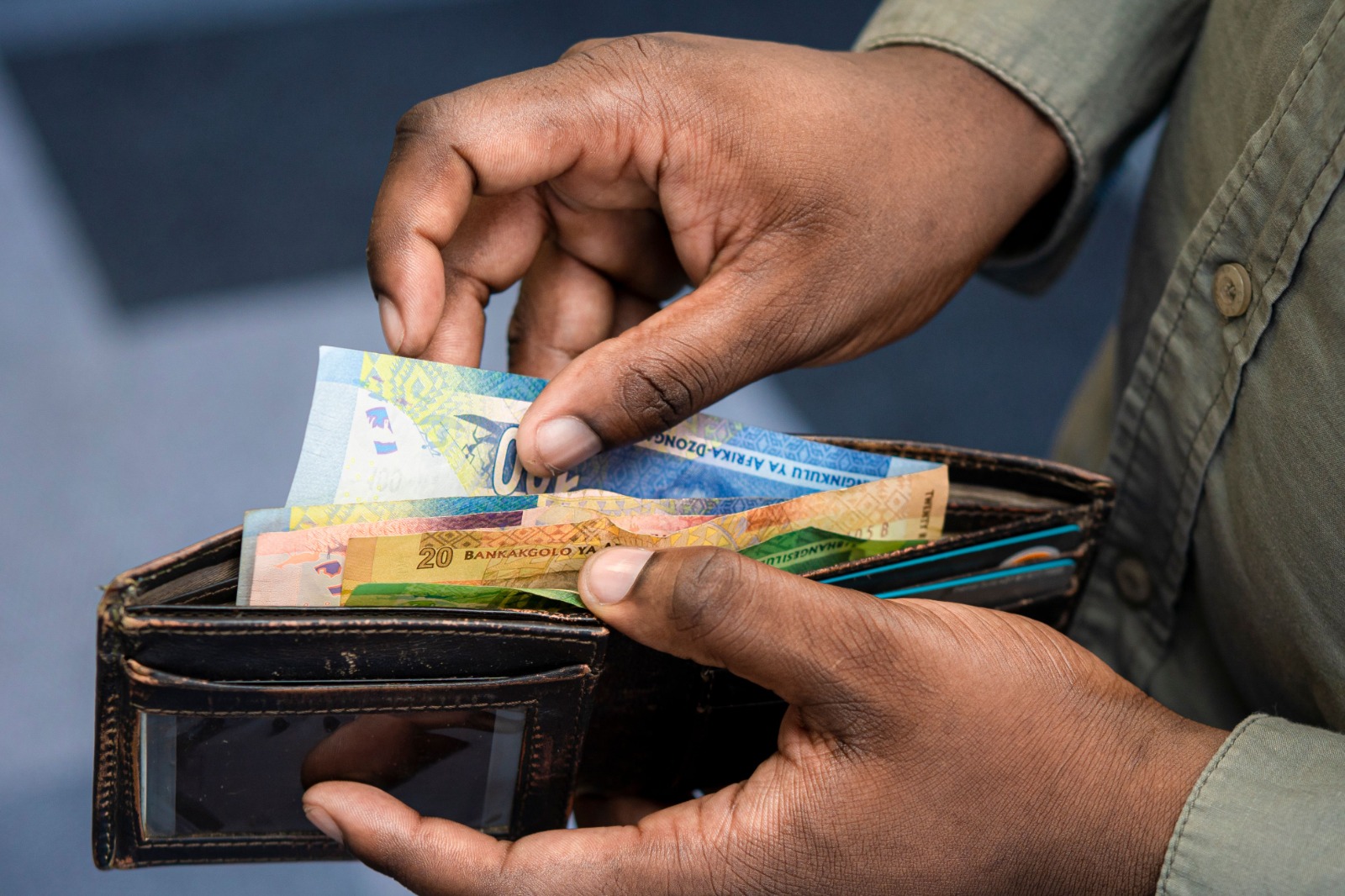
Currency volatility remains one of the most immediate concerns for investors operating across African markets.
Exchange-rate movements influence virtually every aspect of investment performance—from import costs and corporate profitability to debt servicing and foreign investor returns.
Many African economies continue to rely on commodity exports, making their currencies sensitive to fluctuations in global prices for oil, metals and agricultural products. At the same time, stronger US interest rates and periods of dollar appreciation have increased pressure on several frontier-market currencies.
Recent reforms in countries such as Nigeria and Egypt have demonstrated both the challenges and opportunities associated with exchange-rate adjustments. While currency liberalisation can initially increase volatility and inflation, more transparent foreign exchange systems may improve investor confidence over the longer term by reducing market distortions and restoring liquidity.
For investors, currency risk extends beyond exchange-rate fluctuations.
It affects dividend repatriation, project financing, import dependency, procurement costs and the valuation of cross-border investments.
Institutions are therefore placing greater emphasis on currency hedging strategies, local-currency financing and investments that generate natural foreign exchange earnings through exports.
2. Regulatory and Policy Risk
Predictable regulation has become one of the defining characteristics of investment-grade markets.
While many African governments continue to improve their business environments, regulatory uncertainty remains a recurring concern for investors across several sectors.
Unexpected tax reforms, changes to mining legislation, revisions to foreign exchange regulations, licensing delays and inconsistent implementation of industrial policies can alter project economics long after investment decisions have been made.
This is particularly relevant for sectors requiring substantial long-term capital commitments, including infrastructure, renewable energy, mining, telecommunications and manufacturing.
Policy consistency increasingly carries measurable economic value.
Countries that provide transparent regulatory frameworks, independent institutions and predictable commercial rules are generally better positioned to attract long-term institutional investors than those characterised by frequent policy reversals.
For executives, regulatory analysis should extend beyond legislation itself to include institutional capacity, administrative efficiency and the consistency with which regulations are implemented.
Strong institutions reduce uncertainty.
Weak institutions increase investment risk, even where policies appear favourable on paper.
3. Political and Election Risk
Political transitions remain one of the most closely monitored indicators for institutional investors.
Elections, leadership changes and shifts in public policy often influence fiscal priorities, investment sentiment and capital allocation decisions. While democratic transitions have become more established across many African economies, electoral cycles can still introduce uncertainty around taxation, public spending, exchange-rate management and regulatory reform.
For investors, elections are not inherently negative.
In fact, peaceful transfers of power supported by credible institutions often strengthen investor confidence by demonstrating political maturity and institutional resilience.
The greater concern arises when elections delay reforms, disrupt economic policy or create uncertainty regarding the continuity of major investment programmes.
Over the next two years, several African economies will continue to navigate important electoral cycles. Investors are therefore placing greater emphasis on institutional strength rather than political personalities.
Markets increasingly reward governments that demonstrate policy continuity, fiscal discipline and transparent economic management regardless of changes in political leadership.
Political risk should therefore be evaluated across three dimensions:
Institutional stability: the ability of government institutions to continue functioning effectively during political transitions.
Policy continuity: whether economic reforms are likely to continue beyond election cycles.
Social stability: the likelihood that political tensions could disrupt commercial activity or investor confidence.
Countries demonstrating strength across these dimensions are increasingly viewed as more attractive long-term investment destinations.
4. Sovereign Debt and Fiscal Risk
Africa's debt story has evolved considerably over the past decade.
The central issue is no longer simply the amount of debt held by governments, but rather the structure, cost and sustainability of that debt.
Higher global interest rates have significantly increased refinancing costs for many emerging and frontier economies. Governments with large external debt obligations denominated in foreign currencies now face higher servicing costs alongside increased pressure on foreign exchange reserves. The African Development Bank notes that debt vulnerabilities are increasingly linked to debt composition, repayment costs and currency exposure rather than headline debt levels alone.
For investors, sovereign debt influences far more than government finances.
Debt sustainability affects banking sector liquidity, infrastructure spending, public procurement, currency stability and the availability of domestic credit.
Where fiscal pressures intensify, governments may delay infrastructure projects, increase taxation or reduce capital expenditure, all of which influence private-sector investment decisions.
However, important distinctions should be made.
Several African economies continue to maintain prudent debt management strategies while implementing fiscal reforms designed to improve revenue collection, strengthen public financial management and reduce debt vulnerabilities.
Investors are therefore becoming more selective rather than applying broad assumptions across the continent.
The key indicators increasingly monitored include:
Debt servicing costs relative to government revenue.
Foreign currency debt exposure.
Fiscal deficits and revenue mobilisation.
Foreign exchange reserve adequacy.
Access to international capital markets.
Progress on debt restructuring where applicable.
Countries demonstrating credible fiscal reforms are generally viewed more favourably by long-term investors.
5. Geopolitical and Global Market Risk
Geopolitical developments increasingly shape investment outcomes far beyond national borders.
Conflicts affecting major shipping routes, disruptions to energy markets, strategic competition between global powers and changing trade policies all influence capital flows into emerging markets.
Recent disruptions in the Red Sea, continued tensions surrounding global energy security and evolving trade relationships between major economies have highlighted the interconnected nature of modern investment risk. Higher shipping costs, supply-chain delays and commodity price volatility have directly affected African importers, exporters and manufacturers.
At the same time, geopolitical competition is also creating opportunities.
Governments and multinational companies seeking to diversify supply chains are increasingly exploring Africa as a destination for manufacturing, critical minerals, renewable energy and strategic infrastructure investment.
This trend positions several African economies to benefit from the global search for more diversified production networks.
Nevertheless, geopolitical opportunities also require careful management.
Competition between major powers can expose governments to difficult strategic choices regarding infrastructure financing, technology partnerships, trade agreements and security cooperation.
For investors, geopolitical analysis should therefore include:
Global commodity price movements.
Trade policy developments.
Maritime security and shipping routes.
International sanctions and export controls.
Foreign direct investment trends.
Strategic competition affecting infrastructure and technology sectors.
Increasingly, geopolitical developments are no longer external considerations, they have become integral components of investment strategy.
Emerging Risk Themes
Beyond these five core pillars, several structural trends are reshaping Africa's investment landscape.
Climate and Environmental Risk
Extreme weather events, droughts, flooding and changing rainfall patterns are increasingly affecting agriculture, infrastructure and energy systems.
Climate resilience is therefore becoming a material investment consideration rather than simply an environmental issue.
Infrastructure projects, agribusiness investments and insurance markets are all adapting to these evolving risks.
Technology and Cybersecurity
Digital transformation continues to accelerate across African economies.
As financial systems, governments and businesses become increasingly digitised, cybersecurity risks are becoming more prominent.
Investors are paying greater attention to data governance, digital infrastructure resilience and cyber risk management as components of overall investment quality.
Supply Chain Resilience
The COVID-19 pandemic fundamentally changed how businesses evaluate supply chains.
Rather than prioritising cost alone, companies increasingly value resilience, diversification and regional production.
This shift creates opportunities for African manufacturers while simultaneously increasing expectations regarding logistics, infrastructure and operational reliability.
What the Risk Radar Is Really Showing
Taken individually, currency movements, elections, regulatory reforms, debt pressures and geopolitical events each influence investment decisions.
Together, they reveal something more significant.
Africa is entering an investment environment where institutional quality increasingly determines competitive advantage.
Countries that strengthen governance, improve macroeconomic management, maintain policy consistency and deepen capital markets are increasingly distinguishing themselves from peers.
For investors, the objective is therefore not to eliminate risk.
It is to identify markets where institutional resilience is improving faster than risk is increasing.
That distinction will define investment performance over the coming decade.
Who It Affects
Africa's evolving risk landscape affects every participant in the investment ecosystem, although the nature and magnitude of exposure vary considerably.
Institutional Investors
Pension funds, sovereign wealth funds, private equity firms, asset managers and insurance companies are becoming increasingly selective in their allocation strategies.
Rather than treating Africa as a single investment destination, institutions are evaluating individual countries based on macroeconomic stability, regulatory credibility, debt sustainability, political governance and sector-specific opportunities.
This shift favours markets with consistent reform agendas, stronger institutions and transparent regulatory environments.
Long-term investors are increasingly seeking resilience rather than simply high returns.
Corporates and Multinational Companies
Businesses expanding across Africa face a more sophisticated operating environment than in previous investment cycles.
Managing currency exposure, navigating evolving regulations, complying with local content requirements and adapting to changing tax regimes have become core strategic capabilities.
Companies that successfully localise operations, diversify supply chains and build strong relationships with governments and local partners are generally better positioned to withstand market volatility.
Operational resilience has become a competitive advantage.
Governments
Governments compete not only for investment capital but also for investor confidence.
Capital increasingly flows towards jurisdictions that demonstrate fiscal discipline, institutional credibility and predictable policymaking.
Countries implementing structural reforms, particularly in taxation, foreign exchange management, infrastructure development and public financial management—are more likely to attract long-term investment than those relying solely on natural resource endowments.
The quality of governance is becoming as important as the availability of investment opportunities.
Financial Institutions
Commercial banks, development finance institutions and export credit agencies operate at the intersection of public policy and private capital.
Macroeconomic instability directly influences credit quality, liquidity conditions, foreign exchange availability and the cost of capital.
Financial institutions therefore play an increasingly important role in supporting risk mitigation through blended finance, guarantees, political risk insurance and local currency financing solutions.
Africa's Regional Risk Map
Investment conditions continue to vary significantly across the continent.
Rather than assessing Africa through a single lens, investors should evaluate regional dynamics individually.
North Africa
North Africa continues to attract substantial manufacturing, renewable energy and logistics investment due to its proximity to European markets.
However, investors continue to monitor inflation, fiscal pressures, water scarcity and regional geopolitical developments.
Morocco remains a leading manufacturing and automotive hub, while Egypt continues implementing economic reforms aimed at restoring macroeconomic stability following significant currency adjustments.
West Africa
West Africa remains one of Africa's most dynamic investment regions but also presents some of the continent's most complex macroeconomic challenges.
Nigeria's ongoing economic reforms; including foreign exchange liberalisation and subsidy reforms, have improved long-term investment prospects while increasing short-term adjustment pressures.
Ghana continues rebuilding investor confidence through fiscal consolidation and international financial support.
Meanwhile, political instability in parts of the Sahel continues to influence regional investment sentiment despite strong growth opportunities in neighbouring economies.
East Africa
East Africa continues to demonstrate relatively strong economic growth supported by infrastructure investment, technology adoption and expanding regional trade.
Kenya maintains its position as a leading financial and innovation hub, while Tanzania, Rwanda and Uganda continue attracting investment across manufacturing, logistics and agribusiness.
Nevertheless, debt management, infrastructure financing and climate-related risks remain important considerations for investors.
Central Africa
Central Africa offers significant opportunities in mining, energy and natural resources.
However, investment remains constrained by governance challenges, infrastructure deficits and limited economic diversification in several markets.
Institutional strengthening and improvements in business environments will be critical to unlocking broader private-sector investment across the region.
Southern Africa
Southern Africa remains one of the continent's most industrialised regions.
South Africa continues to dominate regional capital markets despite ongoing challenges relating to electricity supply, logistics performance and fiscal pressures.
Neighbouring economies continue expanding opportunities in mining, renewable energy, manufacturing and tourism, supported by improving regional trade integration.
What Investors Should Watch Over the Next 12–24 Months
Several developments are likely to shape investment decisions across Africa during the coming two years.
Continued Monetary Policy Adjustments
As inflation moderates across many economies, central banks will face increasing pressure to balance price stability with economic growth.
The pace of interest-rate adjustments will influence borrowing costs, investment activity and capital flows.
Fiscal Consolidation
Governments across the continent are expected to continue implementing measures aimed at strengthening public finances, improving revenue mobilisation and reducing debt vulnerabilities.
Markets will closely monitor the credibility and consistency of these reforms.
AfCFTA Implementation
Progress in implementing the African Continental Free Trade Area will remain one of the most important structural developments.
Successful harmonisation of customs procedures, rules of origin and cross-border trade systems could significantly improve manufacturing competitiveness and regional investment opportunities.
Infrastructure and Energy Investment
Investment in transport, logistics, renewable energy, ports and digital infrastructure will continue reshaping Africa's investment landscape.
Countries successfully addressing infrastructure constraints are likely to strengthen their competitiveness relative to regional peers.
Geopolitical Realignment
Global competition for critical minerals, renewable energy supply chains and strategic manufacturing locations is expected to intensify.
Africa's role within evolving global supply chains will increasingly influence investment flows across mining, manufacturing, energy and technology sectors.
Strategic Recommendations
For Investors
Adopt country-specific rather than continent-wide risk assessments.
Evaluate macroeconomic fundamentals alongside institutional quality, policy consistency and sector-specific dynamics.
Diversify portfolios across multiple markets and industries while incorporating appropriate currency and political risk management strategies.
For Corporate Executives
Strengthen operational resilience through supply-chain diversification, local partnerships and proactive regulatory engagement.
Invest in robust governance, compliance systems and scenario planning to improve long-term competitiveness.
For Governments
Prioritise macroeconomic stability, predictable regulation and institutional reform.
Improve transparency, accelerate infrastructure development and strengthen domestic capital markets to attract long-term investment.
Policy credibility remains one of the strongest signals governments can provide to international investors.
For Development Partners
Expand support for blended finance, risk-sharing mechanisms and technical assistance programmes that improve investment readiness across strategic sectors.
Catalytic capital will remain essential in mobilising larger pools of private investment.
Executive Outlook
Africa's investment outlook cannot be understood through optimism or pessimism alone.
It must be understood through disciplined analysis.
The continent continues to offer some of the world's strongest structural growth opportunities, driven by demographic expansion, urbanisation, digital transformation, infrastructure demand and increasing regional integration.
At the same time, investors face a more demanding operating environment characterised by tighter global financial conditions, evolving geopolitical dynamics, fiscal pressures and heightened scrutiny of governance standards.
These realities are not contradictory.
They reflect the maturation of African capital markets.
The most successful investors over the coming decade will not necessarily be those who avoid risk.
They will be those who distinguish between cyclical volatility and structural opportunity.
Markets with credible reforms, stronger institutions and improving macroeconomic fundamentals are increasingly separating themselves from those where policy uncertainty and fiscal pressures remain unresolved.
For governments, the challenge is clear.
Investment attraction increasingly depends on institutional credibility rather than promotional campaigns.
For businesses, sustainable growth requires resilience, governance and operational flexibility.
For investors, disciplined country selection, long-term thinking and comprehensive risk management will become decisive competitive advantages.
Africa's investment story is no longer defined solely by potential.
It is increasingly defined by execution.
Those who understand the continent's evolving risk landscape will be better positioned not only to protect capital but also to identify the next generation of high-growth opportunities across one of the world's most dynamic economic regions.
Sources & Methodology
This analysis draws upon publicly available research, macroeconomic assessments and market intelligence from the International Monetary Fund (IMF), African Development Bank (AfDB), World Bank Group, African Export-Import Bank (Afreximbank), United Nations Conference on Trade and Development (UNCTAD), Organisation for Economic Co-operation and Development (OECD), African Union Commission and the African Continental Free Trade Area (AfCFTA) Secretariat. Current market developments, sovereign financing trends and geopolitical developments were cross-referenced with reporting from Reuters, the Financial Times and official central bank, finance ministry and multilateral institution publications.
The article follows Aldrenor's Premium Intelligence methodology, integrating institutional research, macroeconomic analysis, sovereign risk assessment and long-term structural trends to provide actionable insight for investors, executives, policymakers and financial institutions. It is intended to support strategic decision-making and should not be interpreted as investment, financial or legal advice.