Benchmark crude prices advanced after investors assessed the potential impact of escalating tensions in the Middle East on international energy markets. Although global oil production has remained broadly stable, uncertainty surrounding key shipping routes and regional security has prompted traders to incorporate a higher geopolitical risk premium into energy prices.
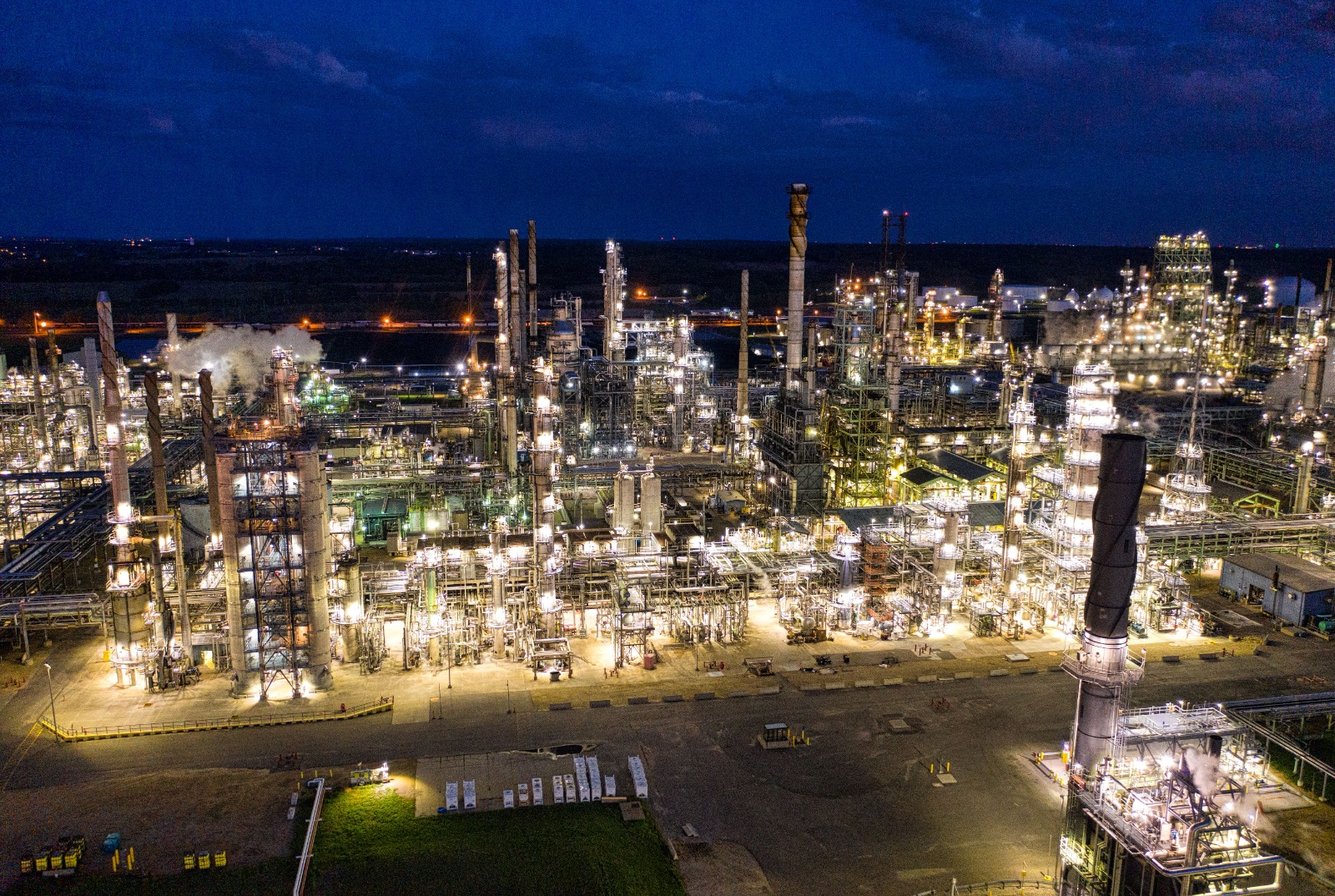
For US energy companies, sustained crude prices above recent averages improve profitability across exploration and production activities while strengthening free cash flow available for shareholder distributions, debt reduction and capital investment. Producers have largely maintained disciplined spending strategies following previous periods of commodity price volatility, prioritising balance-sheet resilience over rapid production expansion.
Industry executives have become increasingly cautious about significantly increasing output despite favourable pricing conditions. Labour shortages, equipment costs and shareholder expectations for capital discipline continue influencing investment decisions across the shale sector. Instead, many companies have focused on operational efficiency, technological innovation and maintaining sustainable production levels capable of generating consistent long-term returns.
The implications extend beyond energy producers. Higher oil prices increase transportation, logistics and manufacturing costs, placing renewed pressure on businesses already managing elevated borrowing costs and persistent inflationary risks. Energy-intensive industries, including aviation, chemicals and heavy manufacturing, remain particularly exposed to prolonged increases in fuel prices.
Financial markets are also closely monitoring oil's influence on monetary policy. Sustained increases in energy prices could complicate inflation trends, potentially affecting central bank decisions regarding interest rates and broader economic growth. Institutional investors therefore continue assessing developments in energy markets alongside macroeconomic indicators when determining portfolio allocations.
Governments meanwhile remain focused on balancing energy security with longer-term decarbonisation objectives. Continued investment in conventional energy production is occurring alongside expanding commitments to renewable infrastructure, reflecting the increasingly complex transition towards a more diversified global energy system.
Why it matters: Higher crude prices are improving financial prospects for energy producers while simultaneously increasing cost pressures across multiple industries. The interaction between energy markets, inflation and monetary policy is expected to remain a central theme for investors during the remainder of the year.
What to watch: Markets will monitor geopolitical developments, OPEC+ production policy, US shale output and global inventory data to assess whether current oil prices remain supported by supply risks or begin responding more significantly to shifts in global economic demand.