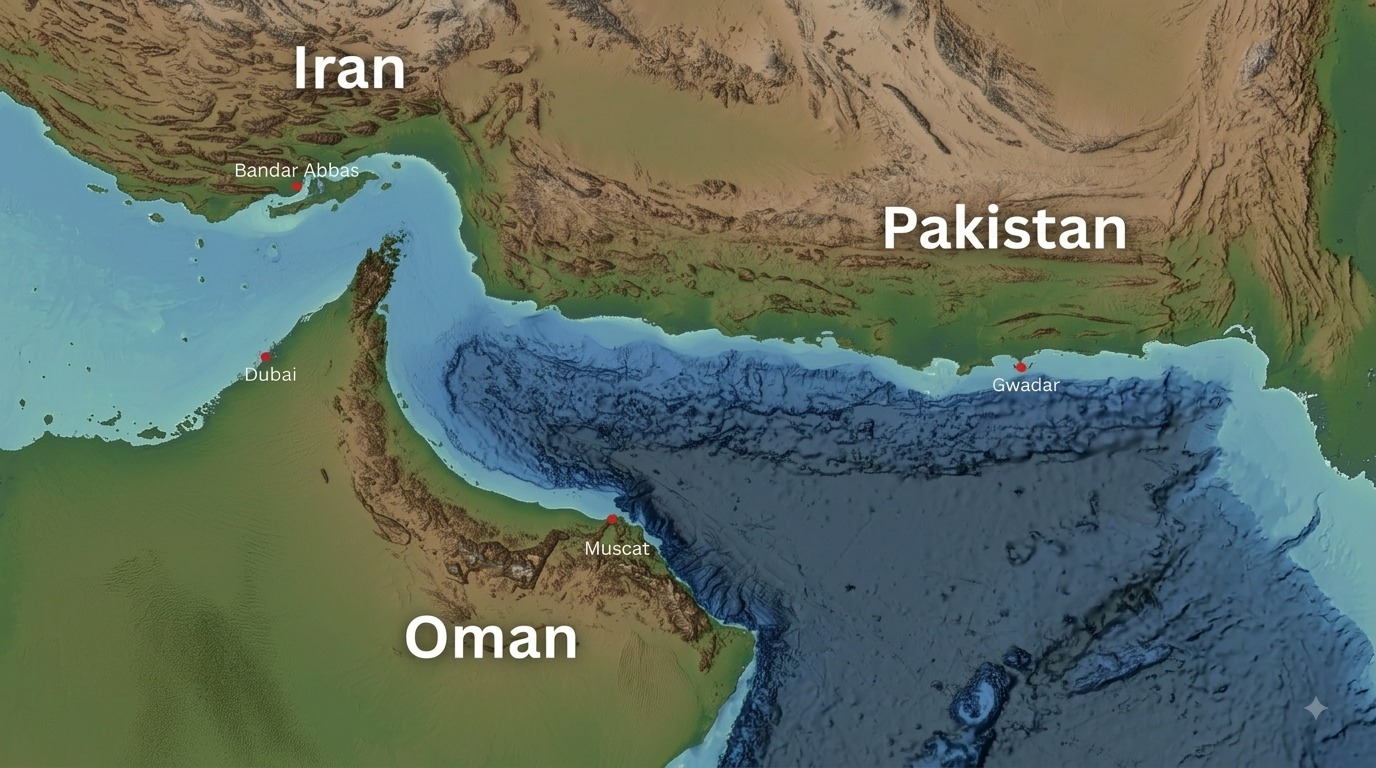
Reuters reported that the Panama-flagged Vela Nova was believed to have been hit while sailing about 71 nautical miles off Pakistan's coast. Maritime security sources and the United Kingdom Maritime Trade Operations organisation were monitoring the incident.
The incident matters to international commerce because shipping companies make routing decisions based on perceived security risks as well as direct physical threats. Further attacks could raise insurance premiums, increase freight costs and encourage operators to avoid vulnerable routes.
The Gulf of Oman connects shipping lanes serving the Middle East, Asia and international energy markets. Disruption in surrounding waters can therefore affect supply chains far beyond the immediate region.
The development comes as traffic through the Strait of Hormuz remains substantially below normal levels. Reuters reported that only six vessels passed through Hormuz on Monday, compared with a pre-war norm of roughly 130 to 140 ships.
The combination of reduced traffic and another maritime security incident increases uncertainty for companies moving energy, industrial goods and consumer products through the region.
For governments, the challenge is to protect commercial shipping without further escalating regional tensions. For businesses, the immediate concern is the potential persistence of higher logistics and insurance costs.
The incident also reinforces the strategic importance of alternative shipping routes and contingency planning. Companies with concentrated exposure to Middle Eastern maritime corridors may need to review inventories, delivery schedules and insurance arrangements.
It remains unclear who was responsible for the reported attack and the full extent of any damage.
The next indicators will be the findings of maritime authorities, vessel movements in the Gulf of Oman and Hormuz, and any further incidents involving commercial shipping.