Policymakers in Europe, Asia and North America have intensified discussions around strategic reserves, energy diversification and infrastructure investment as markets evaluate the long-term implications of geopolitical instability in one of the world's most critical energy-producing regions.
The latest crisis has underscored the extent to which energy security remains intertwined with economic stability. Even limited disruptions can influence fuel prices, inflation expectations, industrial production costs and consumer confidence, creating challenges for governments attempting to balance growth objectives with price stability.
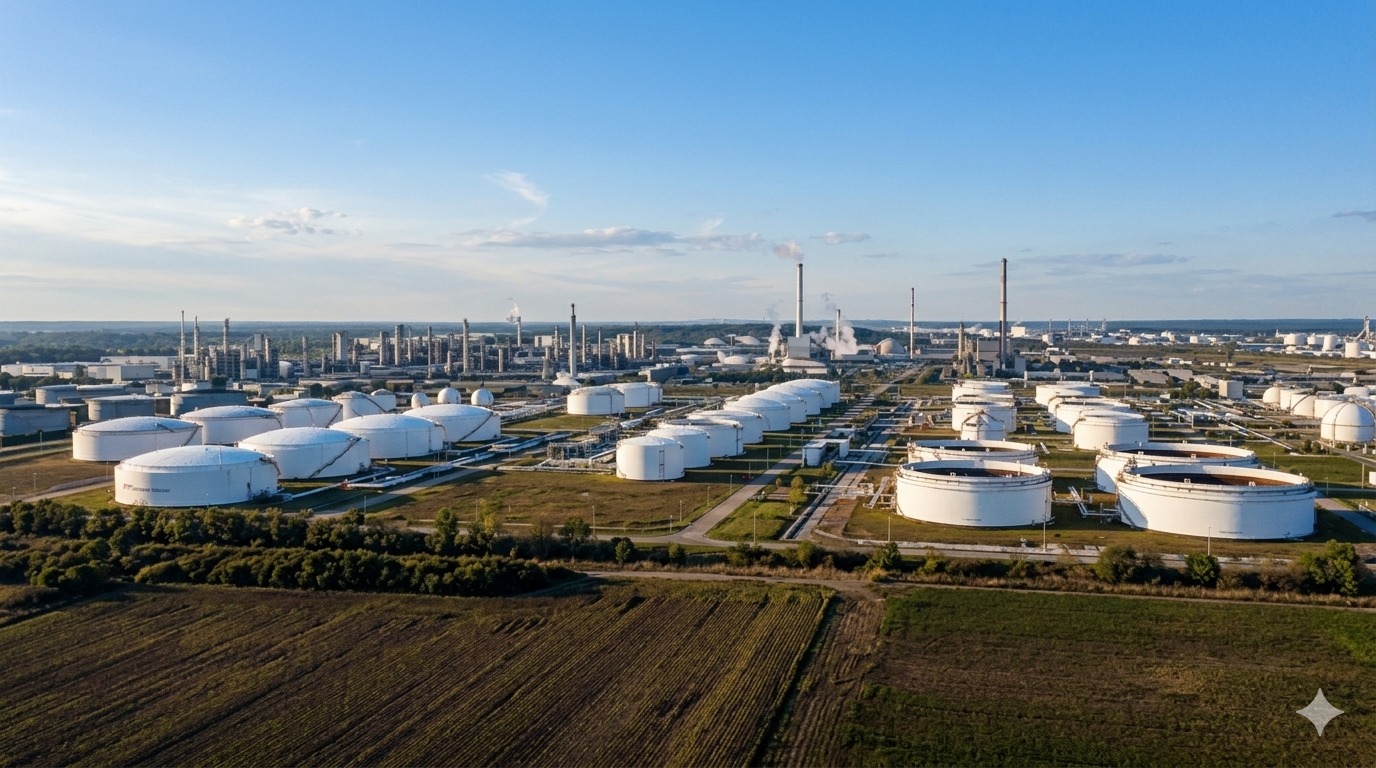
Several countries are reviewing policies designed to reduce exposure to external supply shocks, including accelerated investment in renewable energy, expanded storage capacity and diversification of import sources. Others are examining whether existing strategic petroleum reserves remain sufficient in a rapidly evolving geopolitical environment.
Economists note that energy policy is increasingly becoming economic policy. The cost and reliability of energy supplies influence everything from manufacturing competitiveness and investment decisions to household spending and fiscal planning.
The renewed focus comes as many governments are already navigating fiscal pressures, rising debt levels and slower growth prospects. Balancing energy resilience with affordability presents a complex policy challenge, particularly in economies heavily dependent on imported fuel.
Business leaders have also urged policymakers to provide greater clarity regarding long-term energy strategies, arguing that investment decisions increasingly depend on predictable regulatory and infrastructure frameworks.
Analysts say the latest developments may accelerate a broader shift toward energy diversification and strategic self-sufficiency. While implementation timelines remain uncertain, governments appear increasingly willing to prioritise resilience over short-term efficiency.
For policymakers, the central lesson is becoming clear: energy security is no longer solely a national security issue. It is a fundamental component of economic resilience and long-term competitiveness.