Recent diplomatic developments involving Iran have helped restore confidence across energy and shipping markets, contributing to lower oil prices and improving expectations for international trade activity. Businesses, investors and policymakers are increasingly shifting attention from crisis management toward economic stabilisation and growth.
The development marks a significant change from the uncertainty that dominated global markets in recent months. Concerns over energy shortages, transportation disruptions and rising costs had contributed to inflationary pressure and heightened volatility across financial markets.
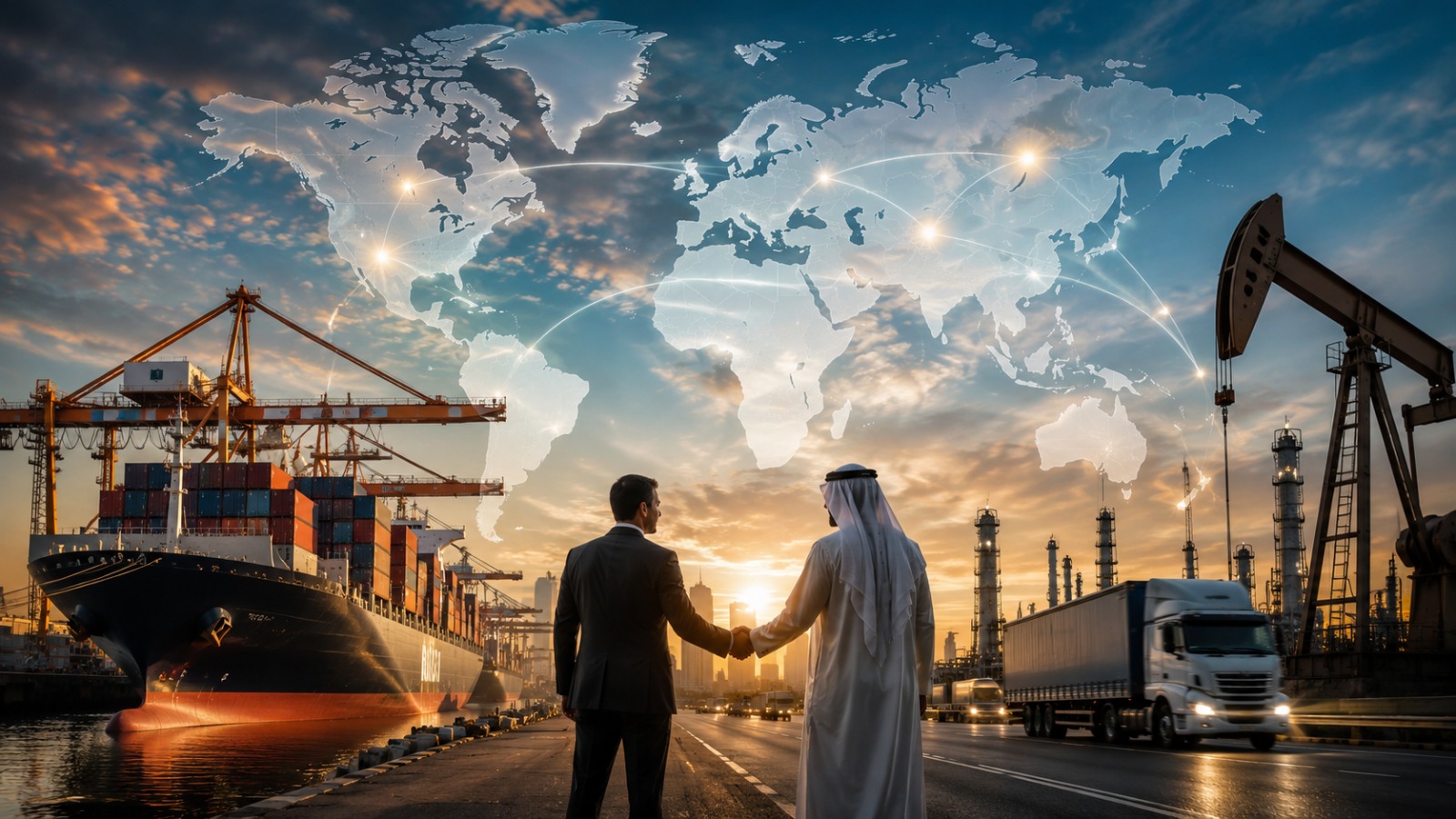
With trade routes operating more normally and energy markets stabilising, companies are reassessing investment plans, procurement strategies and expansion decisions. Industries heavily dependent on global logistics networks, including manufacturing, retail, aviation and shipping, stand to benefit from improved operating conditions.
Governments are also expected to gain greater flexibility in managing economic policy. Lower energy costs could ease inflationary pressure, reduce subsidy burdens and support consumer purchasing power in both developed and emerging economies.
However, economists caution that the easing of geopolitical tensions does not eliminate broader structural challenges. Slower growth in some advanced economies, elevated debt levels and ongoing monetary-policy uncertainty continue shaping the global outlook.
Investors are increasingly evaluating which sectors and regions may benefit most from improved trade conditions. Infrastructure operators, transportation companies and industrial exporters are among the businesses expected to gain from stronger cross-border economic activity.
The shift also highlights the interconnected nature of modern economic systems. Developments in diplomacy, energy markets and trade logistics continue to influence inflation, investment decisions and economic performance across multiple regions simultaneously.
For policymakers and corporate leaders, the emerging environment presents both opportunities and responsibilities. While immediate risks may be declining, long-term competitiveness will depend on how effectively countries and businesses adapt to a global economy that remains shaped by geopolitical realities, energy security considerations and evolving trade patterns.
The transition from crisis management to economic repositioning may ultimately define the next chapter of global growth.