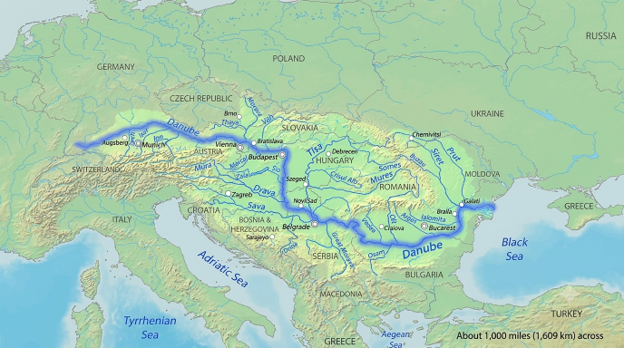
Water levels along strategically important waterways, including sections of the Rhine River, have fallen significantly following extended periods of below-average rainfall and higher seasonal temperatures. The Rhine serves as one of Europe's most important commercial transport corridors, linking industrial centres in Germany, Switzerland and the Netherlands with major ports that facilitate trade across the continent. Reduced navigability has forced cargo operators to limit vessel loads, increasing transportation costs and extending delivery times for manufacturers reliant on inland shipping.
The disruption extends well beyond logistics. Industries dependent on river transport—including chemicals, steel, energy, construction materials and agricultural commodities—are facing higher freight costs and operational uncertainty as businesses seek alternative transport routes. Reduced cargo capacity also places additional pressure on rail and road infrastructure, increasing congestion and further raising supply-chain costs across the European economy.
Agricultural producers are confronting a separate but equally significant challenge. Lower river flows and reduced water availability threaten irrigation capacity in several farming regions, potentially affecting crop yields and food production during a period when global agricultural markets remain sensitive to climate variability and geopolitical disruptions. Rising food production costs could also complicate inflation management for European policymakers.
Institutional investors are increasingly recognising climate resilience as an important component of long-term economic competitiveness. Infrastructure previously considered reliable is now being reassessed against more frequent extreme weather events, encouraging governments and private-sector investors to accelerate spending on water management, transport resilience and climate adaptation projects.
For businesses, the latest developments reinforce the growing importance of supply-chain diversification and operational flexibility. Manufacturers are increasingly evaluating multimodal logistics strategies, regional sourcing and inventory management to reduce exposure to climate-related disruptions affecting critical transport infrastructure.
The situation also carries wider policy implications. European governments continue balancing ambitious climate objectives with the need to strengthen infrastructure capable of supporting economic activity under increasingly volatile environmental conditions. Investment in resilient waterways, modern logistics networks and sustainable water management is expected to become a more prominent feature of future public infrastructure programmes.
What to Watch
Market participants will closely monitor rainfall patterns, river water levels and freight capacity across Europe's inland transport network during the coming weeks. Investors will also assess whether governments accelerate climate adaptation spending and infrastructure modernisation programmes as businesses seek greater resilience against increasingly frequent environmental disruptions that are reshaping trade, industrial production and long-term economic planning.