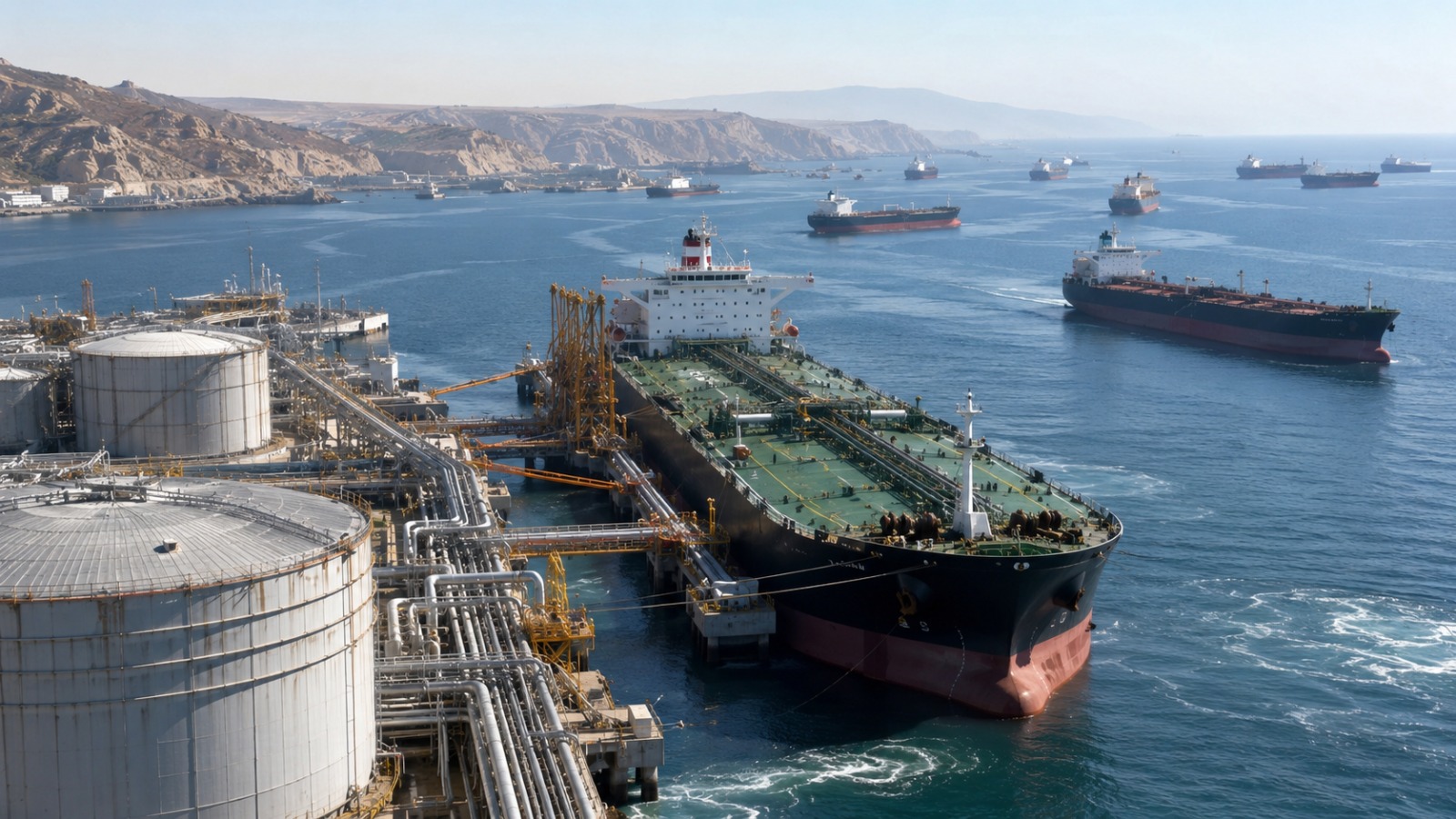
Oil prices retreated this week following signs of easing geopolitical tensions, reducing concerns over potential disruptions to energy flows through the Strait of Hormuz. The development has provided relief to governments, businesses and consumers that had faced rising costs linked to uncertainty surrounding global oil supplies.
The shift marks a significant change from recent months, when fears of conflict escalation contributed to volatility across energy markets and increased pressure on inflation, transportation costs and industrial production.
Energy analysts say the immediate focus is moving toward supply fundamentals. Producers, traders and policymakers are reassessing market balances as expectations for stable shipping conditions improve the outlook for global energy flows.
Lower oil prices could provide benefits across multiple sectors, including transportation, manufacturing, aviation and logistics. Businesses that rely heavily on fuel inputs may experience improved margins, while governments could see reduced pressure on inflation management and subsidy programmes.
Infrastructure operators are also monitoring developments closely. Ports, shipping companies and energy transport networks stand to benefit from improved trade conditions and greater predictability in global logistics systems.
At the same time, energy executives caution that structural challenges remain. Investment requirements, energy-transition policies and broader geopolitical uncertainties continue influencing long-term planning decisions across the sector.
Economists note that energy security remains a strategic concern despite the current easing of tensions. Governments are expected to continue pursuing diversification initiatives, strategic reserves and infrastructure investments aimed at reducing vulnerability to future disruptions.
For investors, the evolving environment presents both opportunities and risks. Companies positioned to benefit from stable trade flows and lower energy costs may see improved operating conditions, while energy producers may face renewed scrutiny regarding profitability assumptions in a lower-price environment.
The latest developments underscore how closely diplomacy, energy markets and economic performance remain interconnected in the global economy.