The issue has gained renewed attention as inflation, higher borrowing costs and slower economic growth place additional strain on households already facing financial vulnerability. Analysts warn that prolonged economic pressure could widen social inequalities and affect long-term economic resilience.
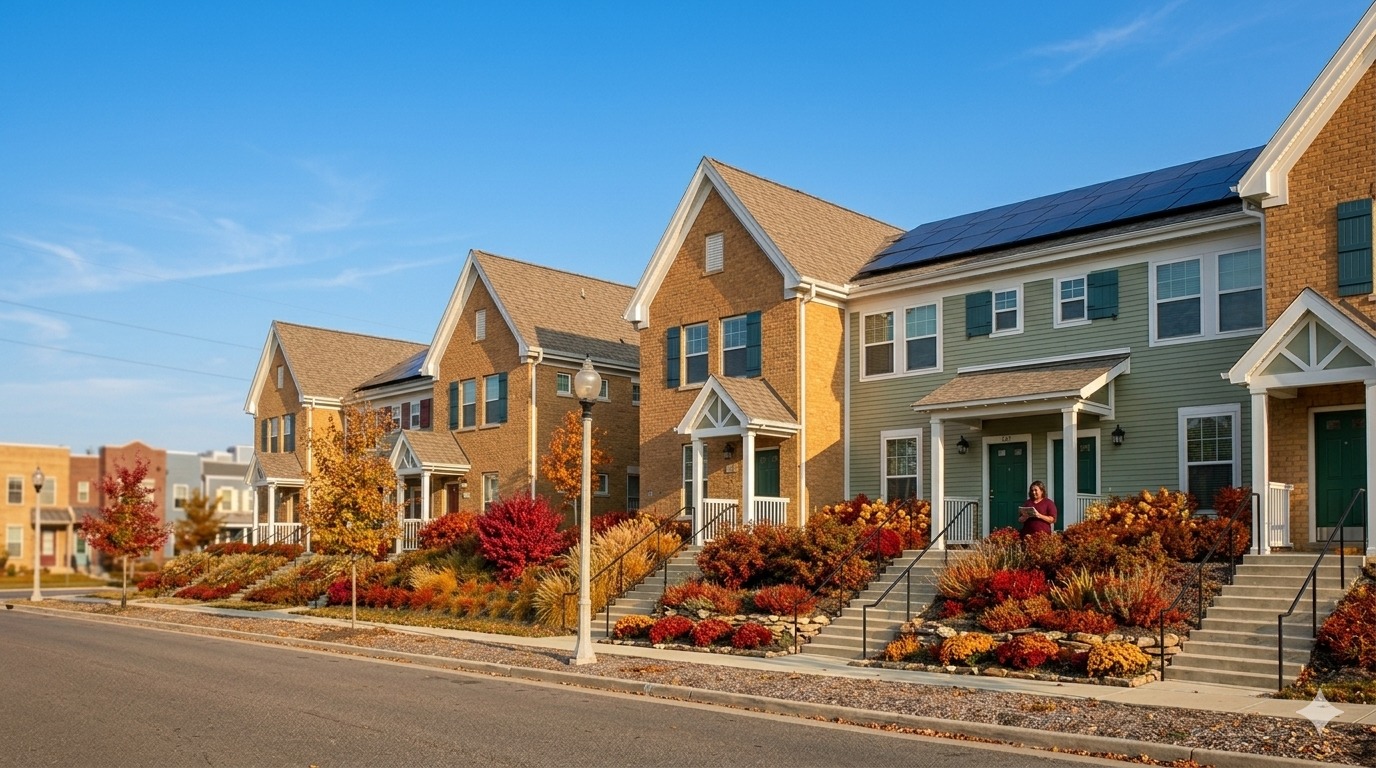
Housing affordability remains a particular concern. In many urban centres, rising rents and elevated property prices continue outpacing income growth, limiting access to stable housing for lower- and middle-income households. Similar pressures are emerging in healthcare, education and social protection systems as governments navigate constrained budgets.
Economists note that economic stability and social stability are increasingly interconnected. Reduced access to housing, healthcare and public services can affect labour-market participation, productivity and broader economic performance over time.
Governments are responding through a range of policy measures, including targeted welfare support, housing initiatives and investments aimed at improving service delivery. However, fiscal constraints and growing debt-servicing costs have complicated implementation efforts in several countries.
Development institutions and human-rights organisations have emphasised the importance of maintaining access to essential services during periods of economic adjustment. They argue that long-term growth depends not only on macroeconomic performance but also on the ability of populations to participate fully in economic life.
Businesses are also paying closer attention to affordability trends, particularly as workforce availability, consumer demand and social stability become increasingly important considerations in investment decisions.
Analysts say the challenge facing policymakers extends beyond immediate cost-of-living concerns. The broader objective is creating economic systems capable of supporting growth while ensuring access to essential services remains sustainable and inclusive.
The issue is expected to remain central to policy discussions as governments balance fiscal responsibility with growing social and economic demands.