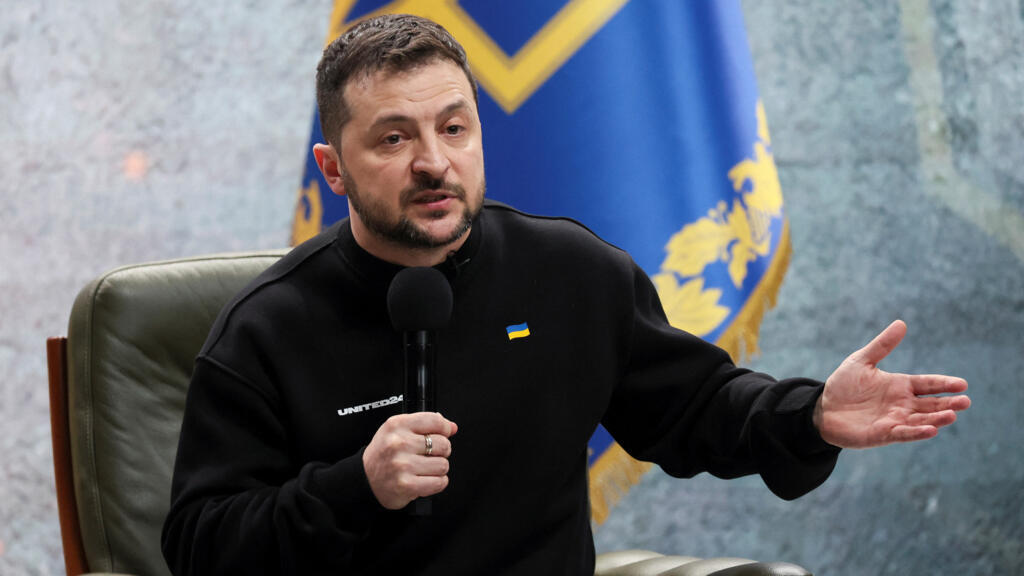
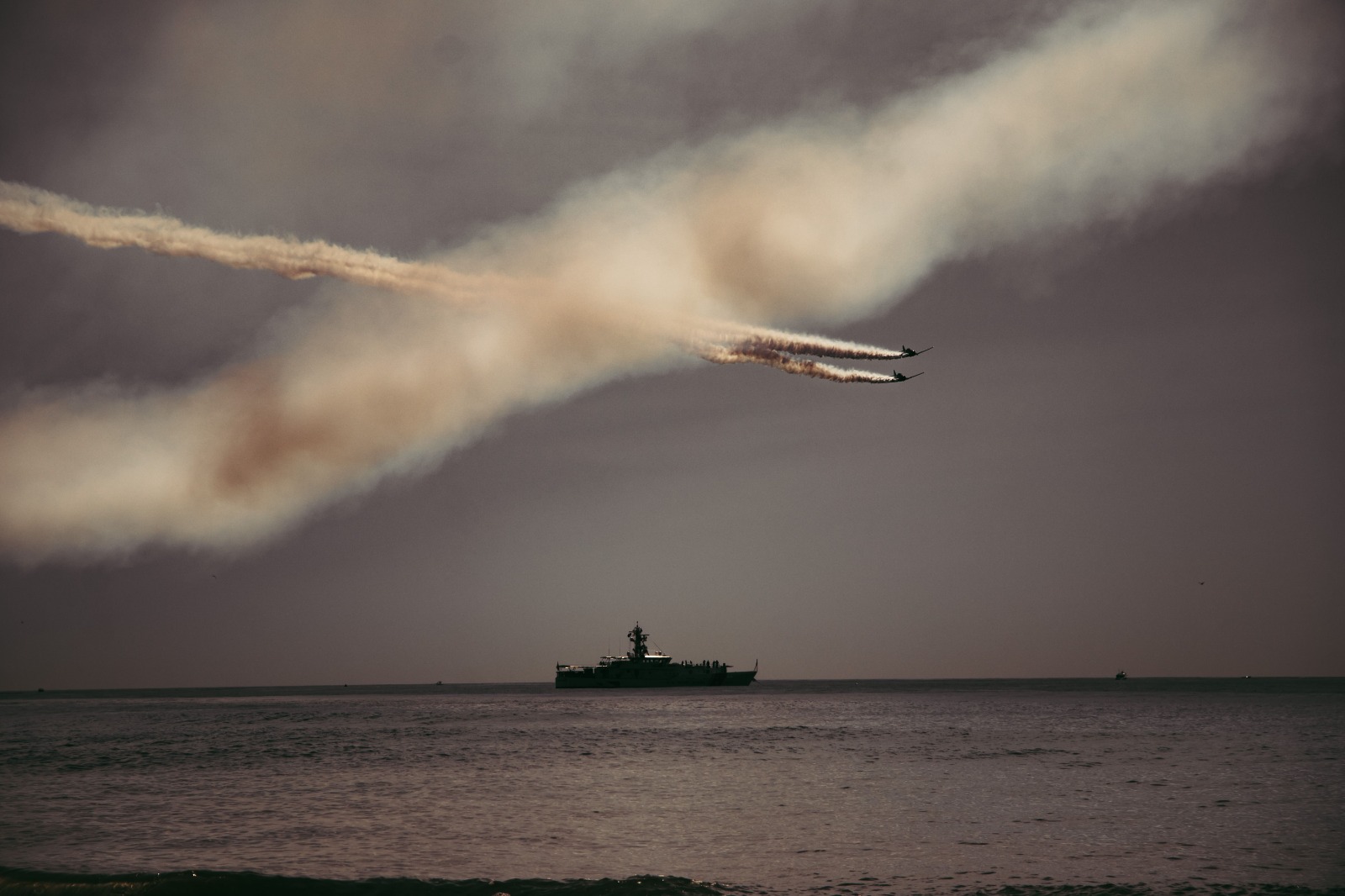
Senior officials from several major economies have stepped up engagement with regional partners in an effort to reduce the risk of escalation around one of the world's most strategically important energy corridors. While commercial shipping continues, businesses remain cautious as uncertainty continues to influence commodity markets and corporate planning.
The renewed diplomatic activity reflects growing concern that prolonged instability could have consequences extending far beyond the region. Global supply chains, inflation expectations and financial markets have become increasingly sensitive to geopolitical developments following repeated disruptions over recent years.
Energy remains at the centre of international attention. Any sustained interruption to oil or liquefied natural gas exports could raise transportation costs, increase manufacturing expenses and place additional pressure on businesses already managing higher financing costs and weaker global demand.
Governments are also working closely with international organisations and industry stakeholders to maintain confidence in global trade routes. Shipping companies, insurers and logistics operators continue monitoring developments while reviewing contingency measures designed to minimise operational disruption.
Financial markets have so far remained relatively resilient, although analysts caution that investor sentiment could deteriorate quickly should tensions escalate further. Commodity prices continue to respond to diplomatic developments, highlighting the close relationship between geopolitical events and global economic performance.
Economists argue that diplomacy has become an increasingly important economic tool. Effective engagement not only reduces security risks but also supports market stability, protects international investment and preserves confidence in global commerce.
Business leaders say geopolitical uncertainty is now a permanent feature of strategic planning. Companies are increasingly investing in diversified supply chains, regional manufacturing capabilities and enhanced risk management frameworks to improve resilience against external shocks.
For policymakers, the priority remains maintaining stability while avoiding actions that could further disrupt international trade. For investors and corporate executives, the pace of diplomatic progress will remain a key indicator shaping market expectations in the months ahead.