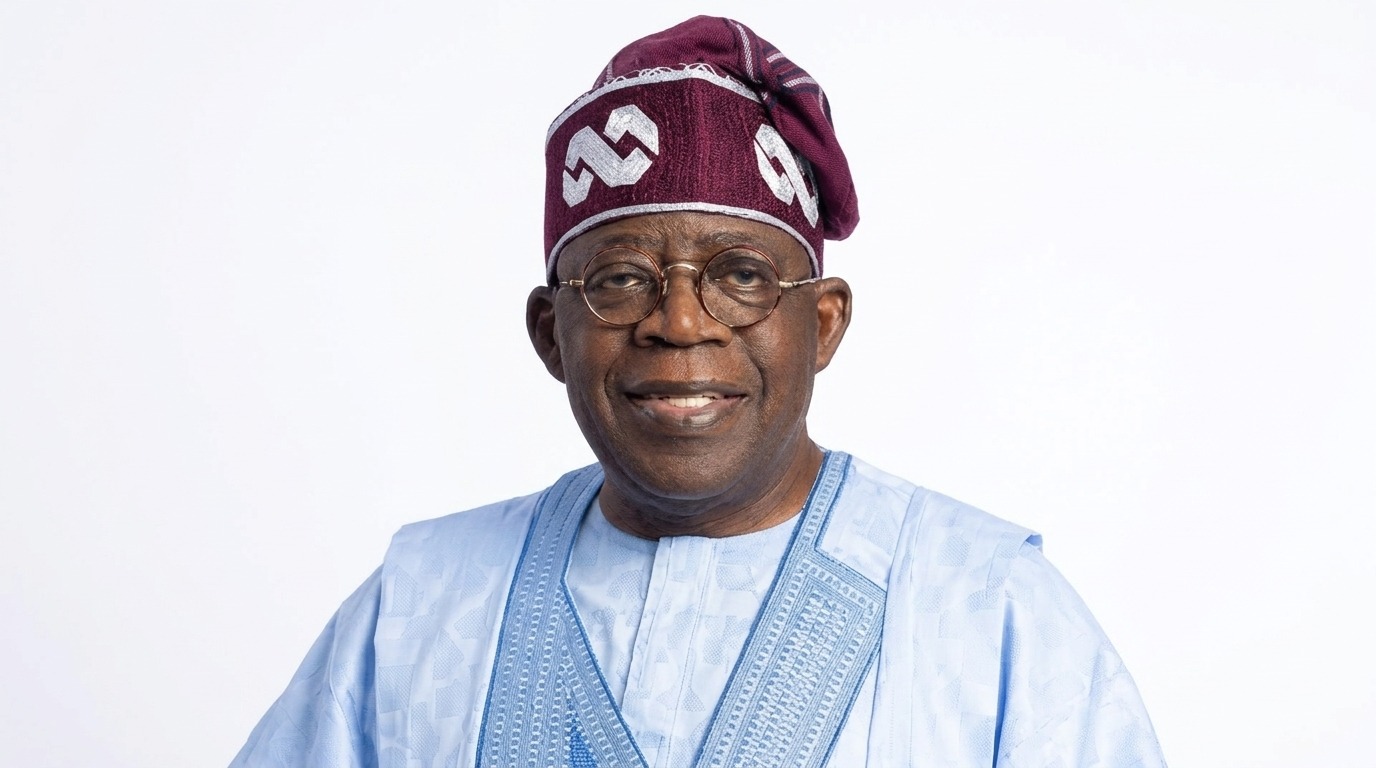
The financing was arranged for Nigeria's Federal Ministry of Finance and will support the design and construction of the initial section of the planned 1,290-kilometre dual carriageway. The highway is expected to connect Sokoto in north-western Nigeria with Badagry in Lagos State, crossing seven states.
The transaction, announced by Deutsche Bank on 28 October, combines Islamic financing and credit insurance arrangements. The bank acted as the sole mandated lead arranger, while the financing is structured through a Commodity Murabaha facility, a form of Islamic finance designed to comply with Shariah principles.
The Islamic Corporation for the Insurance of Investment and Export Credit (ICIEC) is providing a non-honouring of sovereign financial obligations policy covering 95 per cent of the outstanding principal and profit.
The financing arrangement is significant for Nigeria's infrastructure development programme, which has identified road connectivity as an important factor in reducing transport costs, improving access to markets and supporting the movement of agricultural and manufactured goods.
The proposed highway is expected to connect communities and commercial centres across northern and southern Nigeria. Its route could also improve access to regional transport networks and strengthen links with neighbouring West African markets.
However, the financing arrangement should be distinguished from the completion of the infrastructure project. The facility provides a funding structure for the first section, while construction progress, land acquisition, procurement, engineering requirements and disbursement arrangements will determine how quickly the project advances.
Nigeria continues to face substantial infrastructure financing requirements across its transport, energy and industrial sectors. Limited public resources and competing budgetary obligations have increased the importance of development finance institutions, international lenders and structured financing arrangements.
For businesses, a functioning corridor could reduce journey times, improve freight movement and create opportunities in logistics, warehousing, construction materials and distribution. Agricultural producers may also benefit from improved access to larger consumer markets.
Nevertheless, the economic returns will depend on construction quality, maintenance funding, security and the development of supporting infrastructure along the route.
Investors and businesses will be watching for details on implementation timelines, subsequent financing stages and construction milestones. The ability to translate the financing arrangement into a completed transport corridor will determine its long-term contribution to Nigeria's trade and economic development.