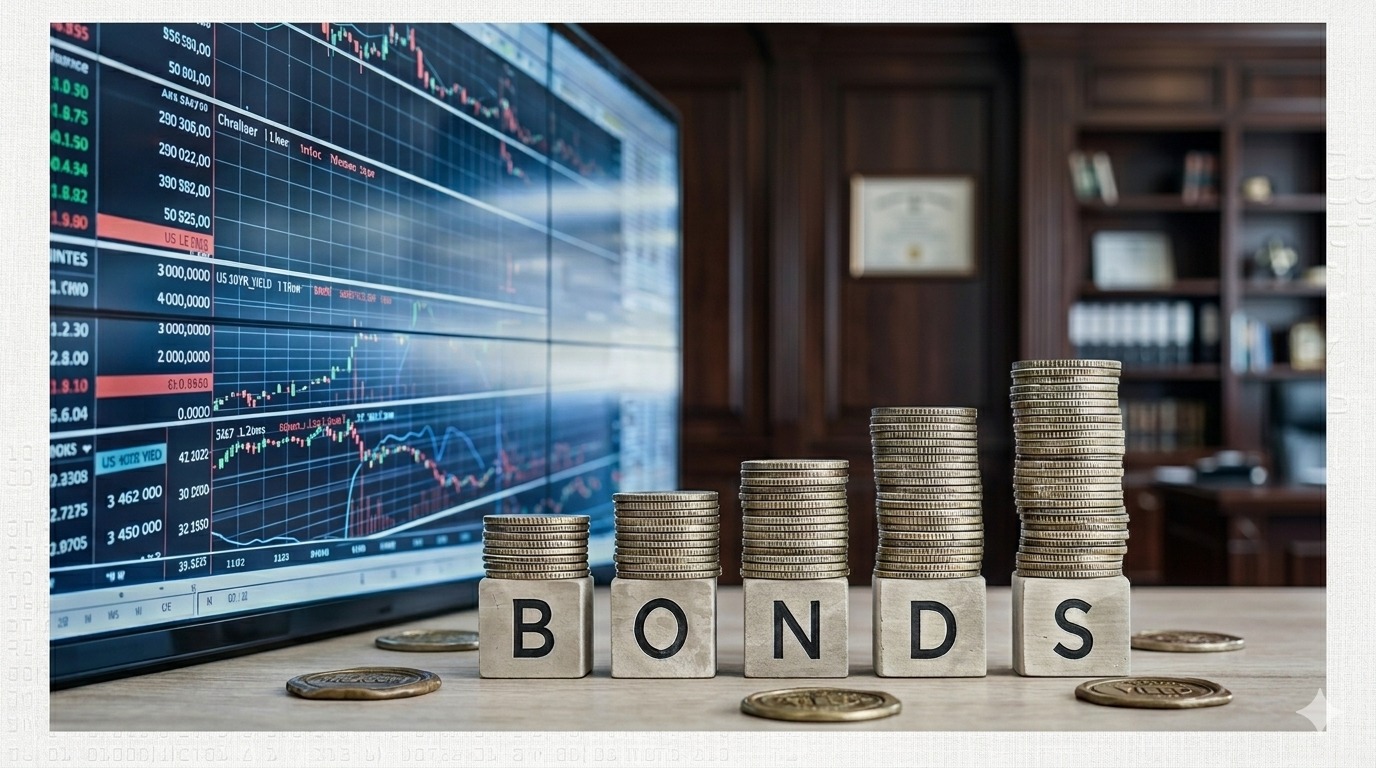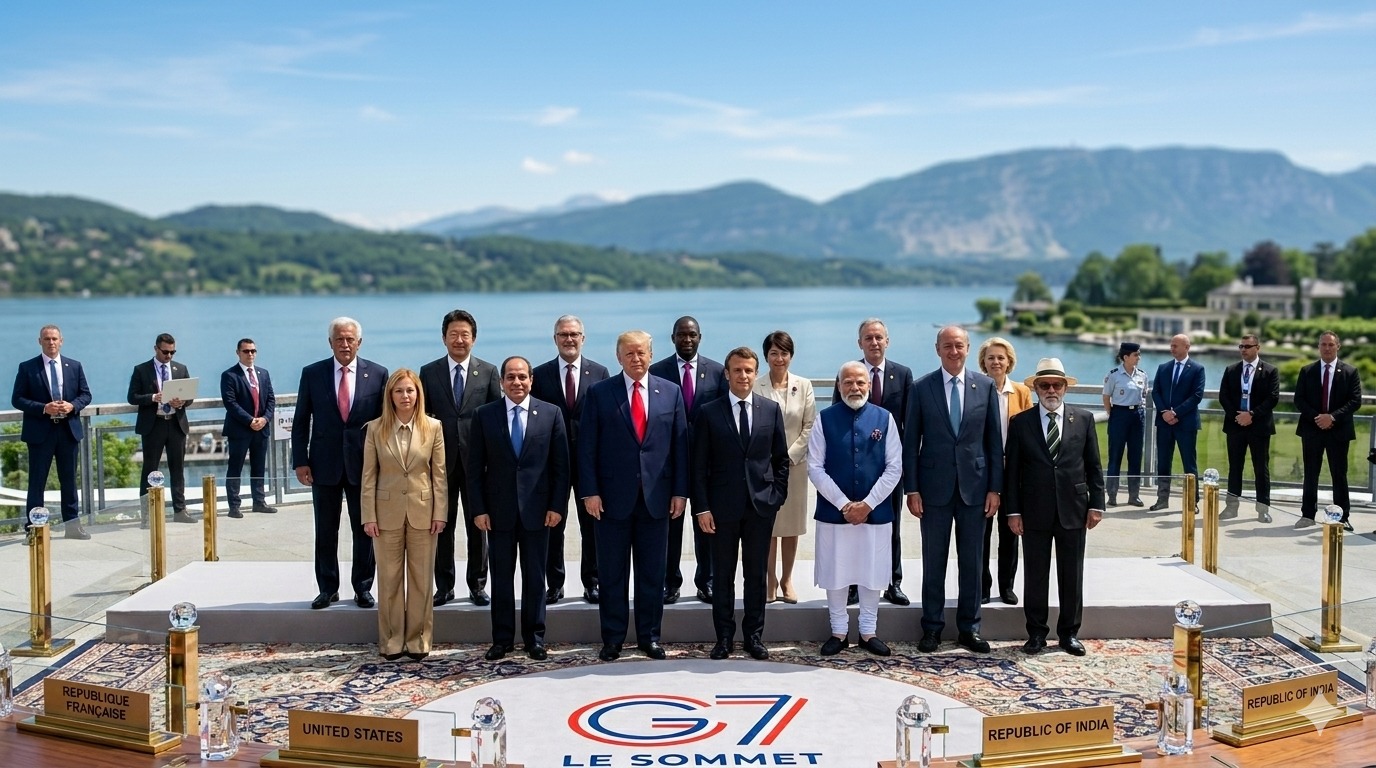
Government bond yields declined across several major economies as market participants adjusted forecasts for inflation and monetary policy. The move reflects growing expectations that easing geopolitical tensions could reduce upward pressure on energy costs, one of the most significant drivers of inflation in recent years.
Investors have increasingly focused on the relationship between oil prices and central-bank policy. With energy costs moderating, markets are beginning to consider whether monetary authorities may gain additional flexibility to support economic activity without compromising inflation objectives.
The rally was visible across U.S. Treasuries, European sovereign debt and several emerging-market bond markets, where lower yields improved borrowing conditions and strengthened investor appetite for risk assets.
Analysts caution that while recent developments have improved sentiment, inflation risks have not disappeared entirely. Labour-market conditions, wage growth and broader economic trends will continue influencing central-bank decisions in the months ahead.
For governments, lower bond yields may help reduce financing costs at a time when public debt levels remain elevated in many economies. Businesses could also benefit from improved credit conditions if declining yields translate into lower borrowing costs across financial markets.
Portfolio managers say the latest market move highlights the speed with which geopolitical developments can affect capital markets. Investors are increasingly incorporating geopolitical analysis into decisions involving fixed income, currencies and broader asset allocation strategies.
Economists note that financial markets appear to be pricing in a more favourable macroeconomic environment, characterised by easing inflationary pressure and greater policy flexibility. Whether those expectations prove justified will depend on the durability of recent diplomatic progress and broader economic performance.
For now, investors appear encouraged by the prospect that reduced geopolitical tensions could help stabilise inflation expectations and improve financial conditions across the global economy.