
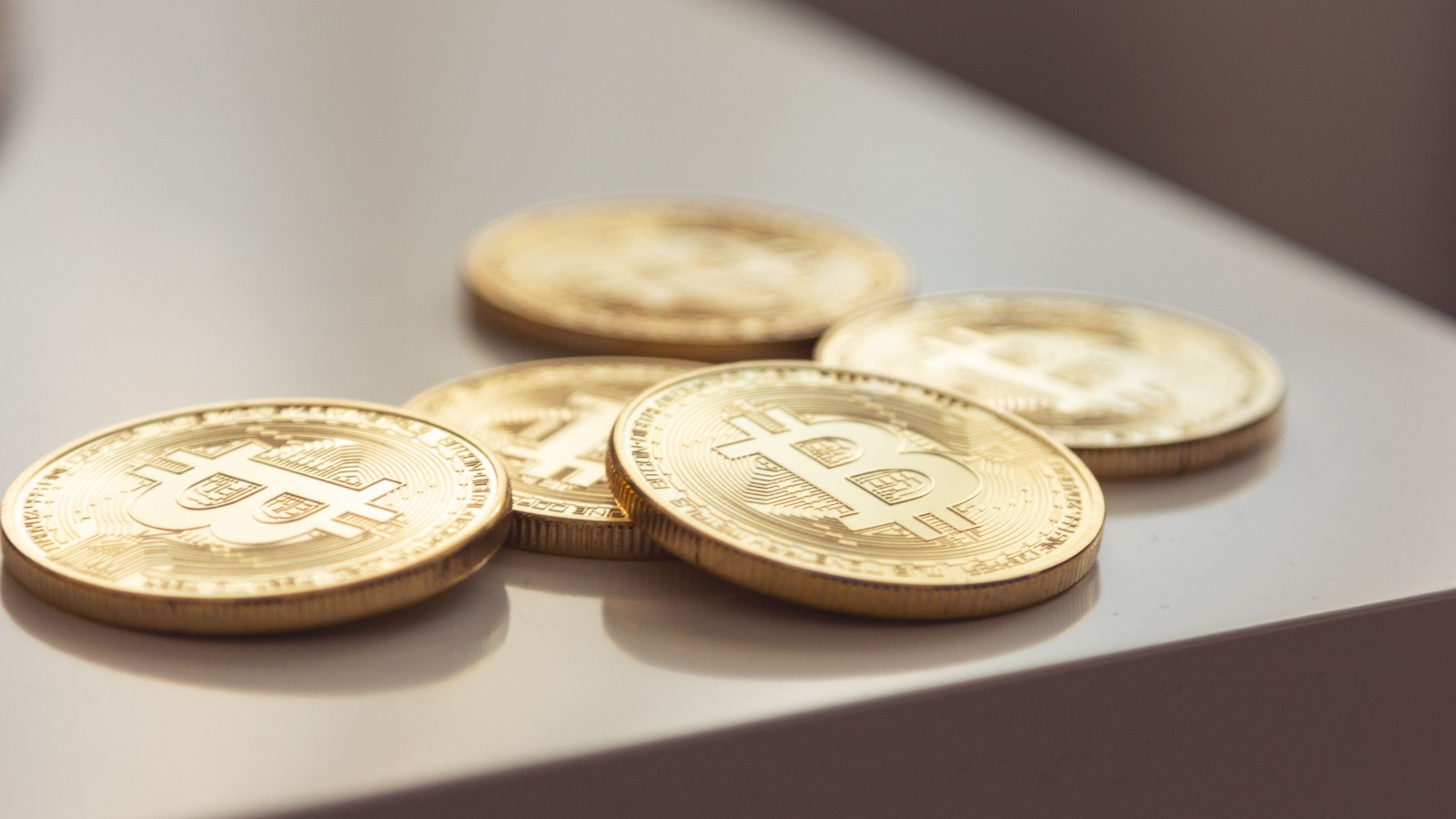
The world's largest cryptocurrency rebounded above $70,000 in late August after falling to around $60,000 earlier in the year. The recovery followed a retreat in Treasury yields and an improvement in broader market sentiment, but investors are now confronting a less supportive macroeconomic environment.
Markets are assigning an 85% probability to a Federal Reserve rate increase at its September 15-16 meeting, according to analysts cited by Reuters. Longer-dated Treasury yields are also approaching 5%, increasing the opportunity cost of holding assets that do not generate conventional income.
Higher interest rates typically place pressure on bitcoin and other speculative assets by reducing liquidity and making bonds more attractive. At the same time, continuing conflict in the Middle East has increased uncertainty across global markets and added to inflation concerns through higher energy prices.
Despite those pressures, derivatives markets indicate that some bitcoin investors have become more optimistic about the cryptocurrency's prospects towards the end of the year. Options positioning has shifted towards bullish exposure, with significant open interest concentrated around $80,000 and $100,000 December strikes.
Institutional demand has also shown signs of improvement. Bitcoin exchange-traded funds recorded almost $2 billion of inflows during the week of August 17, reversing a prolonged period of withdrawals earlier in the year.
Investors are also watching US cryptocurrency legislation. A Senate procedural vote on the Clarity Act is expected on Tuesday, although political resistance has reduced expectations that the legislation will pass quickly. Approval could provide greater regulatory certainty for the digital-asset industry and strengthen the investment case for bitcoin.
The cryptocurrency's latest rally therefore faces competing forces. Higher rates, elevated bond yields and geopolitical uncertainty could restrict risk appetite, while institutional flows, potential regulatory progress and expectations of dollar debasement could support demand.
For now, bitcoin's recovery remains intact, but the coming Federal Reserve decision could determine whether the late-summer rebound develops into a broader recovery or loses momentum.