Bank of Japan Governor Kazuo Ueda said underlying inflation was “quite close” to the central bank’s 2% target, reinforcing expectations that policymakers will continue assessing whether Japan’s monetary settings remain appropriate as domestic price pressures evolve. His remarks place the pace of interest-rate normalisation back in focus ahead of the Bank of Japan’s policy meeting scheduled for 30 October.
Ueda’s assessment reflects a combination of factors supporting inflation, including a tight labour market, economic recovery, demand associated with global artificial-intelligence investment and higher raw-material costs linked to geopolitical tensions in the Middle East. These pressures complicate the central bank’s task of determining whether inflation can remain near target without excessive tightening.
The Bank of Japan has been moving away from an extended period of exceptionally accommodative monetary policy. According to Reuters reporting, the central bank raised rates in September, taking its policy rate to 1.25%. Markets were nevertheless expecting policymakers to hold rates steady at the October meeting while retaining the possibility of another increase later in the year.
The distinction between current inflation and its underlying trend is important. Temporary increases in energy or imported-input costs can lift headline inflation without necessarily creating persistent domestic price pressures. However, stronger wages, sustained services inflation and resilient demand could make price growth more durable, increasing the case for further policy adjustment.
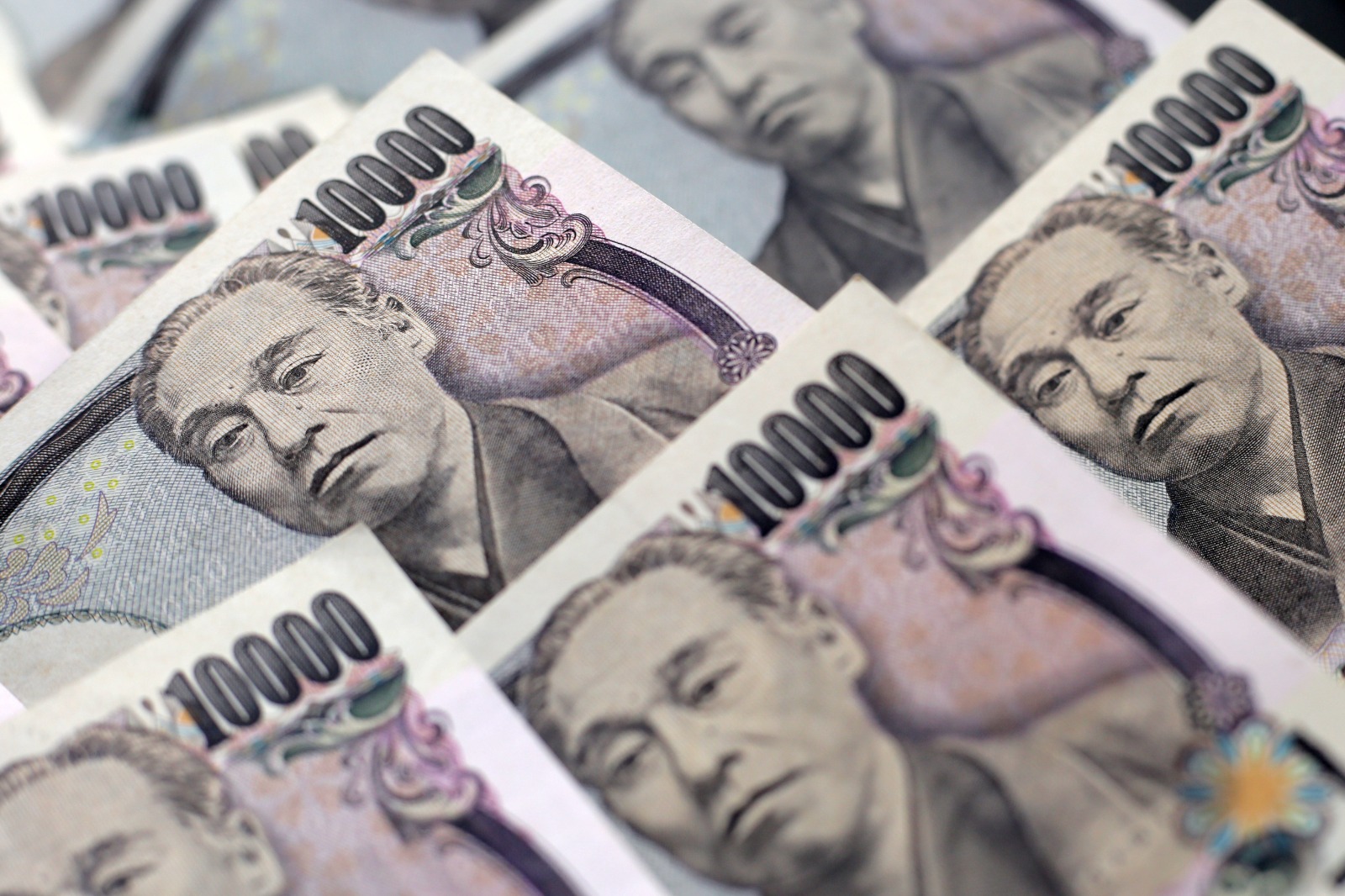
Higher Japanese interest rates can influence the yen, domestic borrowing costs and the relative attractiveness of Japanese assets to global investors. They may also affect international capital flows if investors reassess the benefits of borrowing in low-yielding currencies to invest elsewhere. The direction and scale of those effects will depend on market expectations, the pace of policy changes and developments in other major economies.
Fiscal policy is adding complexity. Japan’s government has faced scrutiny over expansive spending plans and their implications for public debt, while government bond yields have risen amid concerns about fiscal clarity. The International Monetary Fund has called for continued rate increases and greater clarity on fiscal policy, according to the report.
For banks, companies and investors, the implications extend beyond the next rate decision. Borrowers must consider the possibility of higher financing costs, while exporters and importers remain sensitive to yen movements. Bond investors will also be watching how monetary tightening interacts with government borrowing requirements.
The next key indicators include inflation data, wage trends, the yen’s response to policy signals and the Bank of Japan’s assessment of whether price pressures are becoming self-sustaining.