
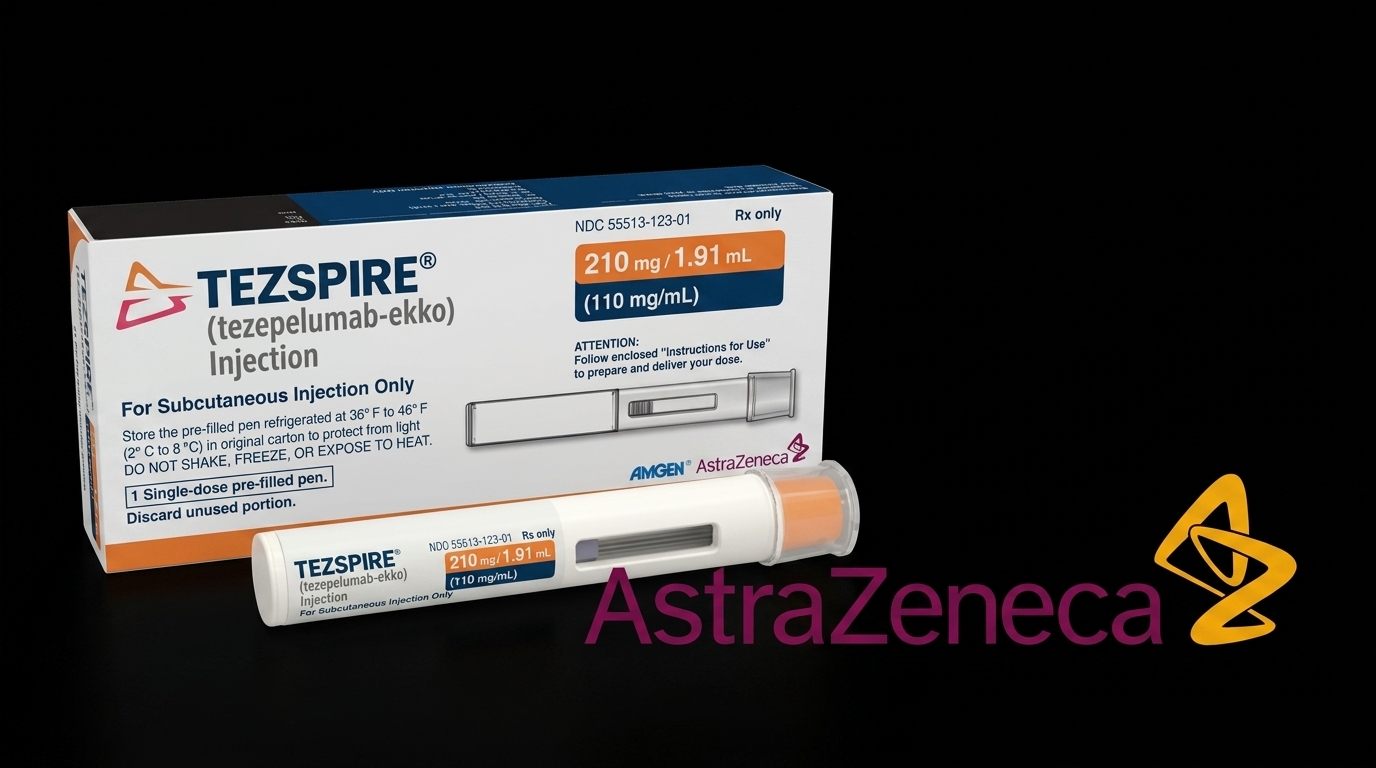
The Phase III trial found that Tezspire significantly reduced inflammation in the oesophagus and improved swallowing difficulties compared with placebo among patients with eosinophilic oesophagitis, a chronic inflammatory condition affecting more than 470,000 people in the United States.
The results provide AstraZeneca with a potentially important expansion opportunity as the pharmaceutical company works towards its target of $80 billion in annual sales by 2030. Chief Executive Pascal Soriot is relying on up to 20 new drug launches as the company faces patent expiries and geopolitical pressures.
The commercial significance lies partly in the ability to extend an established medicine into additional indications. Rather than developing an entirely new asset, AstraZeneca and Amgen can potentially leverage existing manufacturing, regulatory and commercial infrastructure if the treatment secures approval for eosinophilic oesophagitis.
The result also comes at an important point for AstraZeneca's broader pipeline. Reuters noted that the company has recently experienced setbacks involving Wainua, Ultomiris, camizestrant and the experimental lung-cancer drug volrustomig.
That makes positive clinical data strategically important. Pharmaceutical companies depend on successful pipelines to replace revenue lost when patents expire and to maintain long-term growth expectations.
For patients, the trial could eventually provide another treatment option for a disease that can cause significant swallowing difficulties and chronic inflammation. However, positive Phase III results do not automatically translate into commercial availability. Regulatory review and subsequent decisions remain important steps.
For investors, the development strengthens the case for Tezspire as one of AstraZeneca's potentially valuable growth assets while providing some diversification from the company's dependence on asthma treatment.
What to watch: regulatory submissions, approval decisions, detailed trial data, potential pricing and reimbursement arrangements and the size of the addressable eosinophilic oesophagitis market.