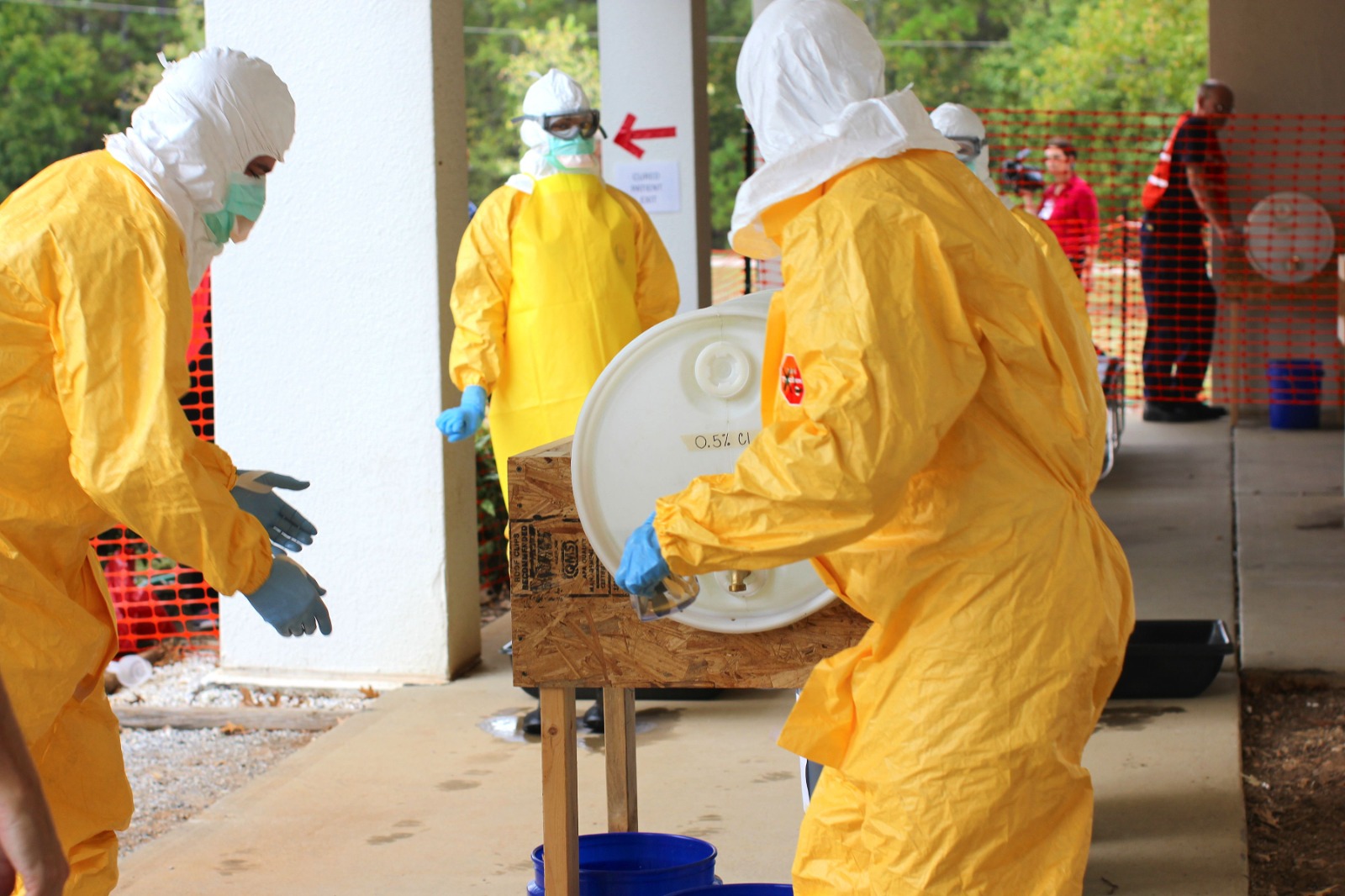
The proposed accord was designed to strengthen international coordination during pandemics through improved data-sharing, emergency response mechanisms and equitable access to vaccines and treatments.
However, negotiators remain divided over key issues including pathogen-sharing rules, intellectual property protections, pharmaceutical manufacturing rights and obligations between developed and developing economies.
Several countries have expressed concerns about balancing global health cooperation with national sovereignty and domestic policy control, complicating efforts to reach consensus before the assembly convenes.
Health analysts warn that prolonged disagreements could weaken international readiness during future outbreaks, particularly as governments continue reassessing lessons learned from the COVID-19 pandemic.
The negotiations also reflect broader geopolitical tensions affecting multilateral institutions, where public health policy increasingly intersects with trade, technology, diplomacy and national security interests.
International agencies continue urging member states to prioritise coordinated preparedness frameworks as climate change, population growth and urbanisation increase the risk of future cross-border health crises.