
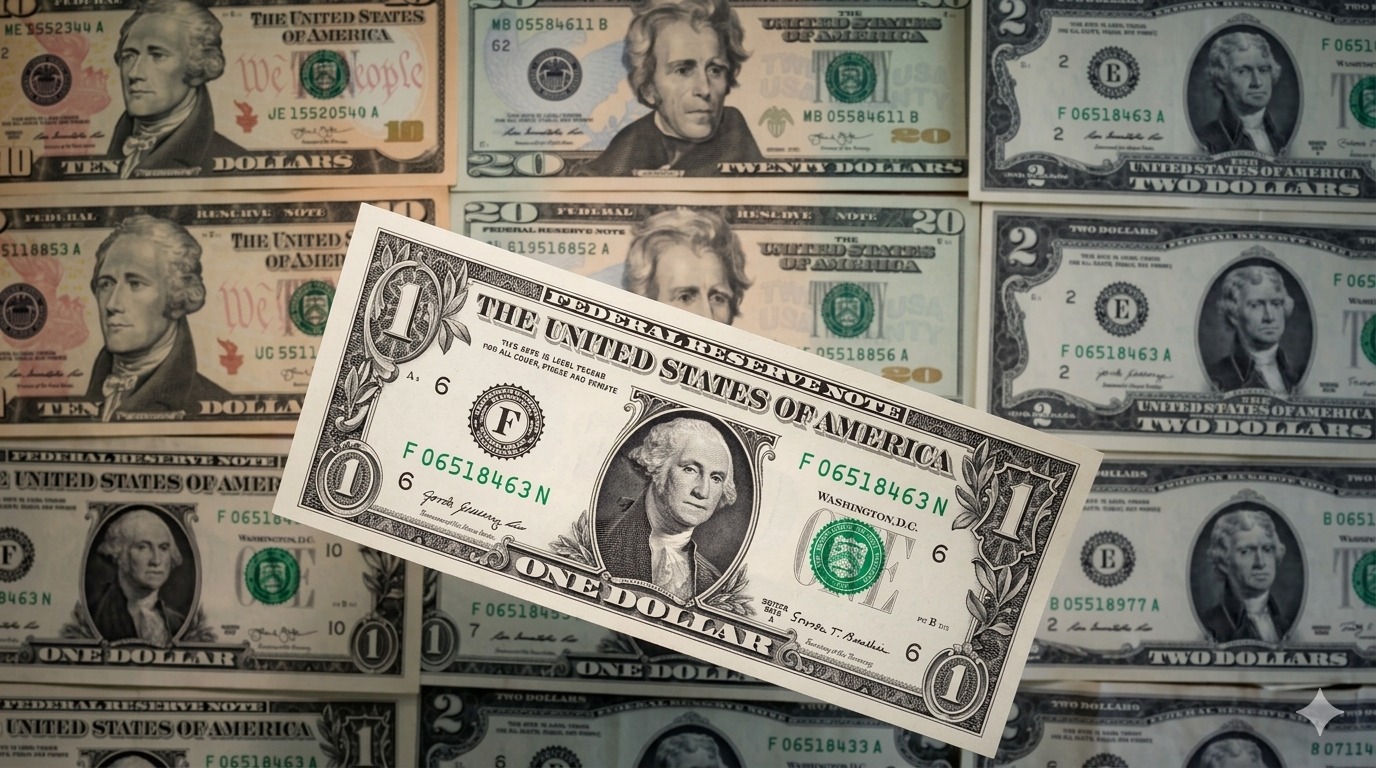
The move follows growing expectations that U.S. interest rates may remain elevated for longer than previously anticipated, encouraging investors to favour dollar-denominated assets and reducing appetite for riskier markets.
At the same time, higher oil prices have intensified concerns among energy-importing countries, where increased fuel costs can place additional strain on trade balances, government budgets and consumer spending.
Several emerging-market currencies weakened against the dollar as investors reassessed economic vulnerabilities linked to higher borrowing costs and global uncertainty. Market participants said the combination of tighter financial conditions and energy-market volatility presents a difficult environment for countries reliant on external financing.
For businesses operating in emerging markets, currency weakness can increase the cost of imported goods, industrial inputs and foreign-denominated debt. Companies with significant exposure to international supply chains may face additional pressure if exchange-rate volatility persists.
Economists note that stronger dollar periods have historically created challenges for developing economies, particularly when accompanied by elevated commodity prices and reduced global liquidity. Governments often face difficult choices between supporting growth, managing inflation and maintaining currency stability.
African, Asian and Latin American economies are closely monitoring developments in U.S. monetary policy, given the influence of Federal Reserve decisions on global capital flows. Investors increasingly view dollar strength as a key indicator of financing conditions across emerging markets.
Some commodity-exporting economies may benefit from higher energy and resource prices, helping offset currency pressures through improved export revenues. However, the overall impact varies considerably depending on economic structure and external debt exposure.
Financial institutions and policymakers are expected to remain focused on preserving market confidence and maintaining adequate foreign-exchange reserves as uncertainty persists.
What markets will watch next is whether rising oil prices and higher U.S. yield expectations continue strengthening the dollar or whether improving growth prospects in emerging economies help stabilise investor sentiment and currency performance.