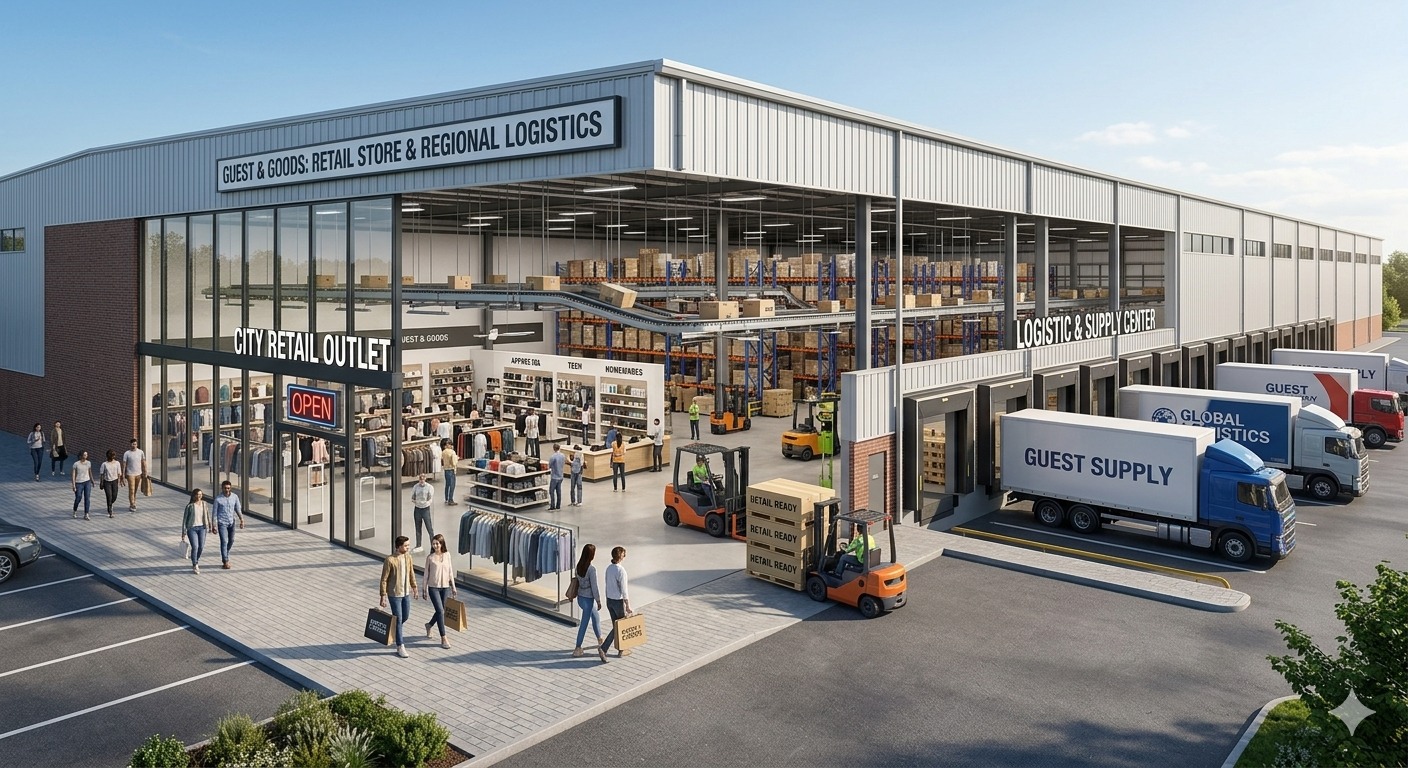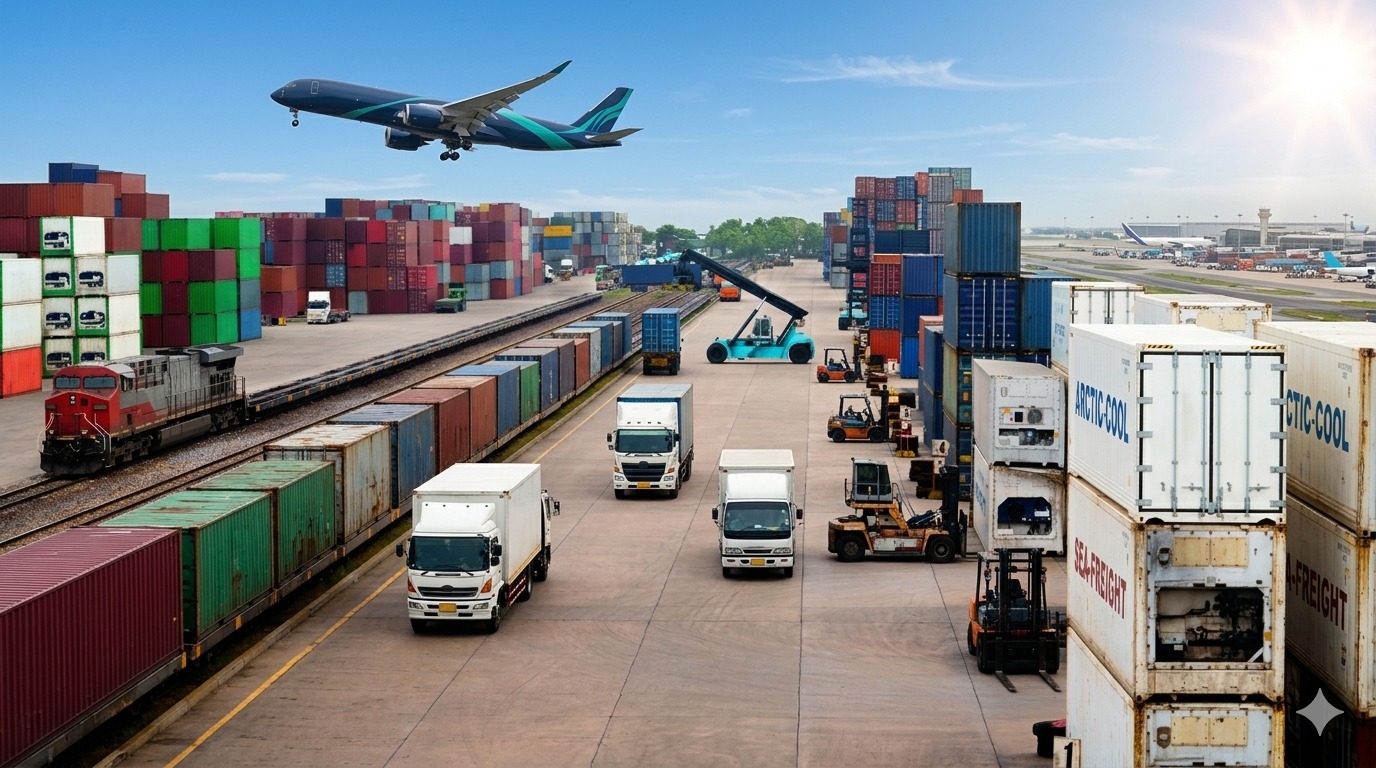
Executives say recent increases in transportation expenses, driven in part by elevated energy prices and geopolitical uncertainty, are adding to cost pressures already affecting sourcing, manufacturing and global distribution networks.
Many brands continue to diversify supplier bases following years of disruption caused by the pandemic, geopolitical tensions and changing trade patterns. While diversification has improved operational resilience, it has also increased procurement complexity and operating costs.
Labour expenses remain another significant challenge. Wage growth in key manufacturing markets, combined with evolving labour regulations and increasing expectations around workplace standards, is prompting companies to reassess production strategies and long-term sourcing decisions.
Retailers are balancing these higher costs against cautious consumer spending, particularly in markets where inflation and elevated interest rates continue to influence household budgets. Analysts say companies with strong pricing power and diversified supply chains are likely to outperform competitors operating on thinner margins.
Luxury brands have generally demonstrated greater resilience due to premium pricing, while mass-market retailers face a more difficult environment as consumers become increasingly price sensitive.
The sector is also investing more heavily in automation, digital supply-chain management and demand forecasting to improve efficiency and reduce operational risk. Industry executives argue that technology will play a growing role in helping companies manage costs while responding more quickly to changing consumer demand.
Investors remain focused on inventory management, profitability and supply-chain resilience as key indicators of corporate performance. Companies capable of balancing cost discipline with innovation are expected to maintain stronger competitive positions.
As global trade conditions continue evolving, fashion businesses are increasingly viewing operational flexibility and workforce strategy as central components of long-term commercial resilience rather than short-term cost management.