
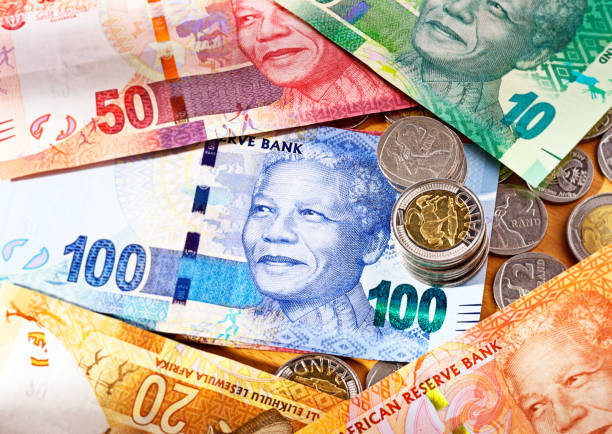
The rand traded at about 16.19 to the dollar at 0630 GMT, little changed from its previous close and close to its strongest level since March 2. The currency has been supported by broader investor risk appetite and expectations that the US Federal Reserve may be less likely to raise interest rates in the near term.
The currency's strength comes despite a deterioration in South Africa's employment data. The country's official unemployment rate increased to 33.6% in the second quarter from 32.7% in the first quarter, according to national statistics released on Tuesday.
The divergence highlights the extent to which emerging-market currencies can be driven by global financial conditions rather than domestic economic fundamentals alone.
A weaker US jobs report last week reduced expectations of higher US interest rates and helped support demand for risk-sensitive currencies such as the rand. Investors were awaiting US inflation data for additional clues about the Federal Reserve's policy trajectory.
The distinction matters because changes in US interest-rate expectations can influence capital flows into emerging markets. Lower expected US rates can reduce the relative attraction of dollar assets and improve conditions for currencies such as the rand.
South African government bonds, however, did not show the same strength. The yield on the benchmark 2035 government bond rose 10.5 basis points to 8.41% in early trading.
For South African businesses, currency stability can reduce uncertainty around imported goods, foreign-currency liabilities and investment planning. A stronger rand can also ease the domestic cost of imported energy and manufactured inputs, although it can reduce the local-currency value of export earnings.
The immediate market focus is therefore on US inflation and the implications for Federal Reserve policy.
Investors will also need to monitor South Africa's employment data, domestic growth prospects, bond yields and global risk appetite. The durability of the rand's recent gains will depend on whether supportive international financial conditions can offset domestic economic weaknesses.