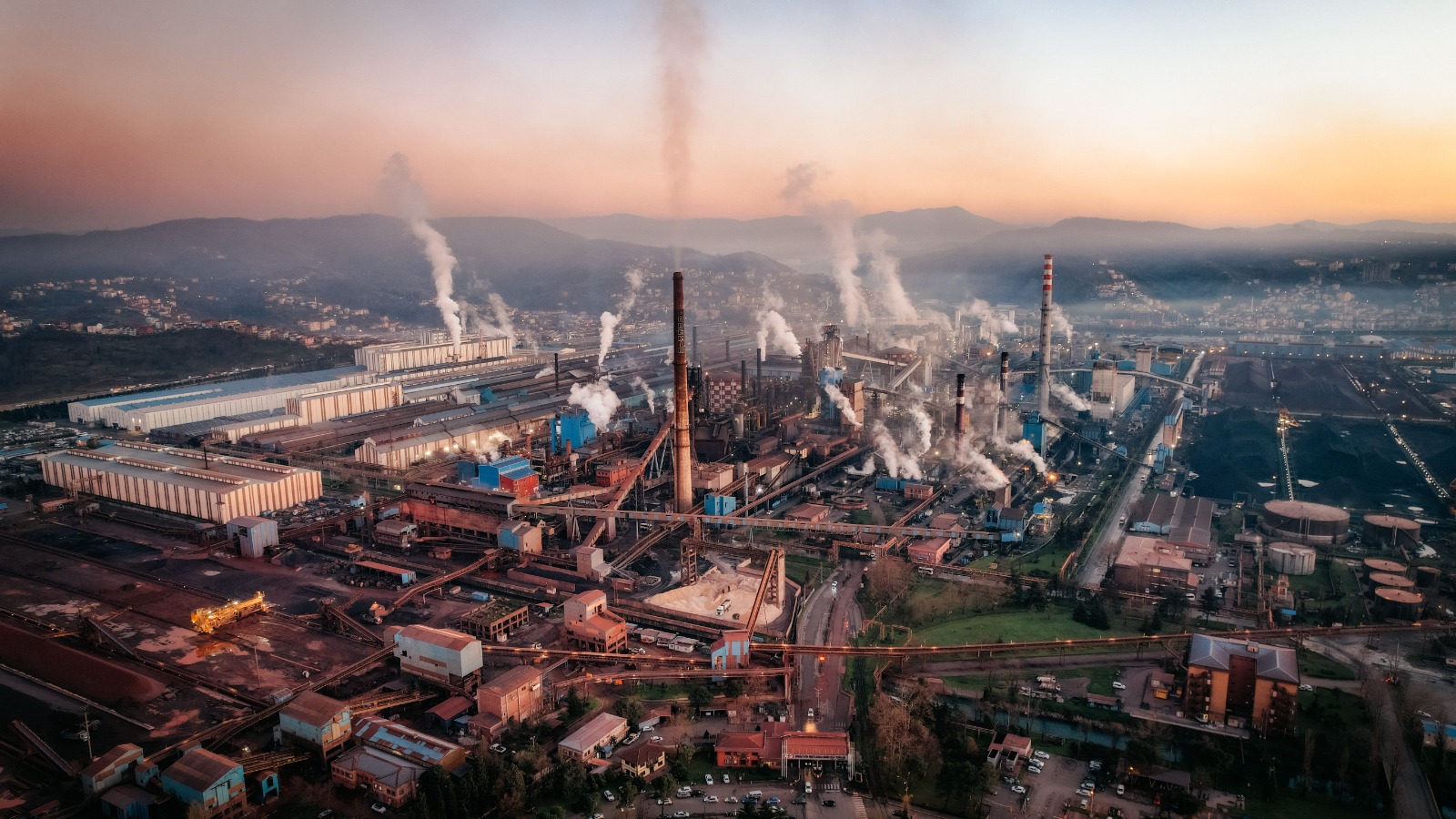
Recent policy interventions, including Britain's decision to bring British Steel under public ownership, illustrate how governments are becoming more willing to intervene where critical industries are considered essential to national security, economic resilience and long-term competitiveness.
The policy direction reflects lessons drawn from recent global disruptions, including the pandemic, geopolitical tensions and supply-chain vulnerabilities that exposed dependence on overseas production of strategic goods. Policymakers are increasingly seeking to strengthen domestic manufacturing capabilities across sectors including steel, semiconductors, defence, pharmaceuticals and energy infrastructure.
Political leaders argue that strategic industries require greater protection against external shocks, particularly where market forces alone may not preserve essential productive capacity. Critics, however, caution that expanded state intervention must be carefully balanced against fiscal sustainability, competition policy and private-sector investment incentives.
Businesses are closely monitoring the evolving policy environment as government support becomes an increasingly significant factor in long-term investment decisions. Manufacturers, infrastructure developers and technology companies are expected to align future expansion strategies with national industrial priorities, particularly where public funding, tax incentives or regulatory support become available.
Institutional investors also recognise that industrial policy is assuming greater importance in shaping global capital flows. Sectors benefiting from government-backed investment programmes may experience stronger long-term demand, while companies operating within strategically sensitive industries are likely to face greater regulatory scrutiny alongside expanded commercial opportunities.
Economists argue that industrial sovereignty is evolving beyond traditional political debate into a central pillar of economic strategy. Rather than focusing solely on efficiency and globalisation, governments are increasingly balancing economic openness with resilience, security and domestic productive capacity.
For executives, investors and policymakers, the resurgence of industrial policy represents a structural transformation in the global economy. The coming years will reveal whether stronger government involvement succeeds in enhancing economic resilience without undermining innovation, private investment and international competitiveness.