The RBI raised its benchmark repo rate by 25 basis points to 5.50% on Wednesday, signalling a shift towards tighter monetary policy as inflationary pressures build.
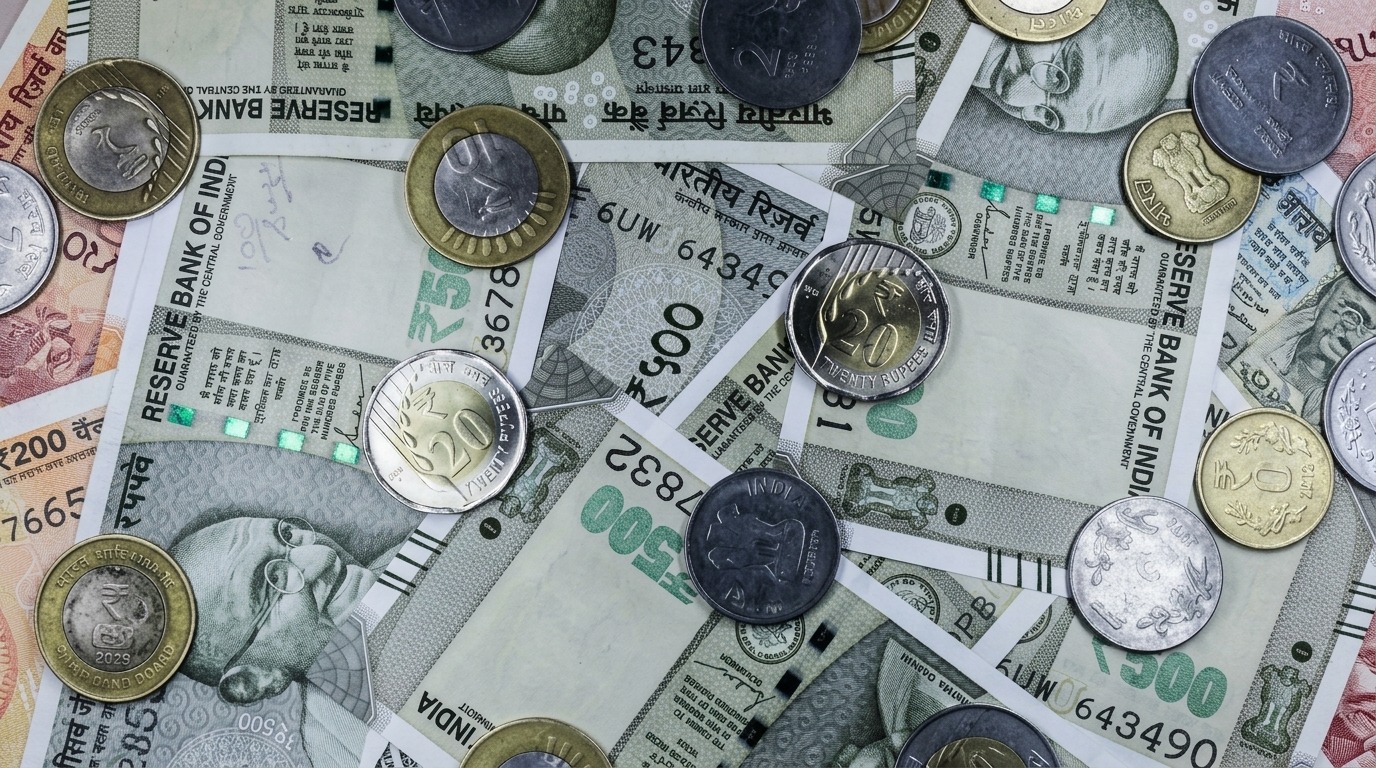
However, the move has done little to reassure currency and equity investors. The rupee fell to 96.7750 per dollar following the decision, approaching its record low of 96.96. The currency has already declined by about 7% this year.
Foreign investors have withdrawn about $30 billion from Indian equities this year, while debt flows have also turned negative since September. The narrowing interest-rate differential between India and the United States has reduced the incentive for international investors to hold Indian assets.
Higher global bond yields and a stronger US dollar have compounded the pressure.
The increase in oil prices represents another challenge. Brent crude rose above $102 a barrel on Thursday as concerns over Middle Eastern supply disruptions intensified. India relies heavily on imported crude, leaving the economy particularly exposed to higher energy costs.
Rising oil prices can weaken the rupee by increasing the country's import bill while simultaneously adding to domestic inflation. Reuters estimates that Indian consumer inflation may have accelerated to 5.40% in September from 4.82% in August, largely because of higher food and energy prices.
Economists expect the RBI could face pressure to tighten monetary policy further. Some analysts have suggested another 25 basis-point increase in December, although policymakers must balance inflation control against economic growth.
The central bank has described its latest action as a measured tightening step rather than a commitment to a predetermined series of increases. That cautious approach has disappointed some investors seeking stronger signals on currency stability.
For India, the challenge extends beyond monetary policy. Higher developed-market yields, elevated oil prices and a strong dollar are limiting the RBI's room to respond solely to domestic economic conditions.
The central bank may therefore have to maintain tighter financial conditions for longer if it wants to stabilise the rupee and contain imported inflation.