The reduction in immediate risks surrounding the Gulf region has improved sentiment across financial markets and eased pressure on energy prices, creating an opportunity for governments to focus more directly on domestic economic challenges. However, policymakers remain cautious about assuming that recent gains will automatically translate into sustained stability.
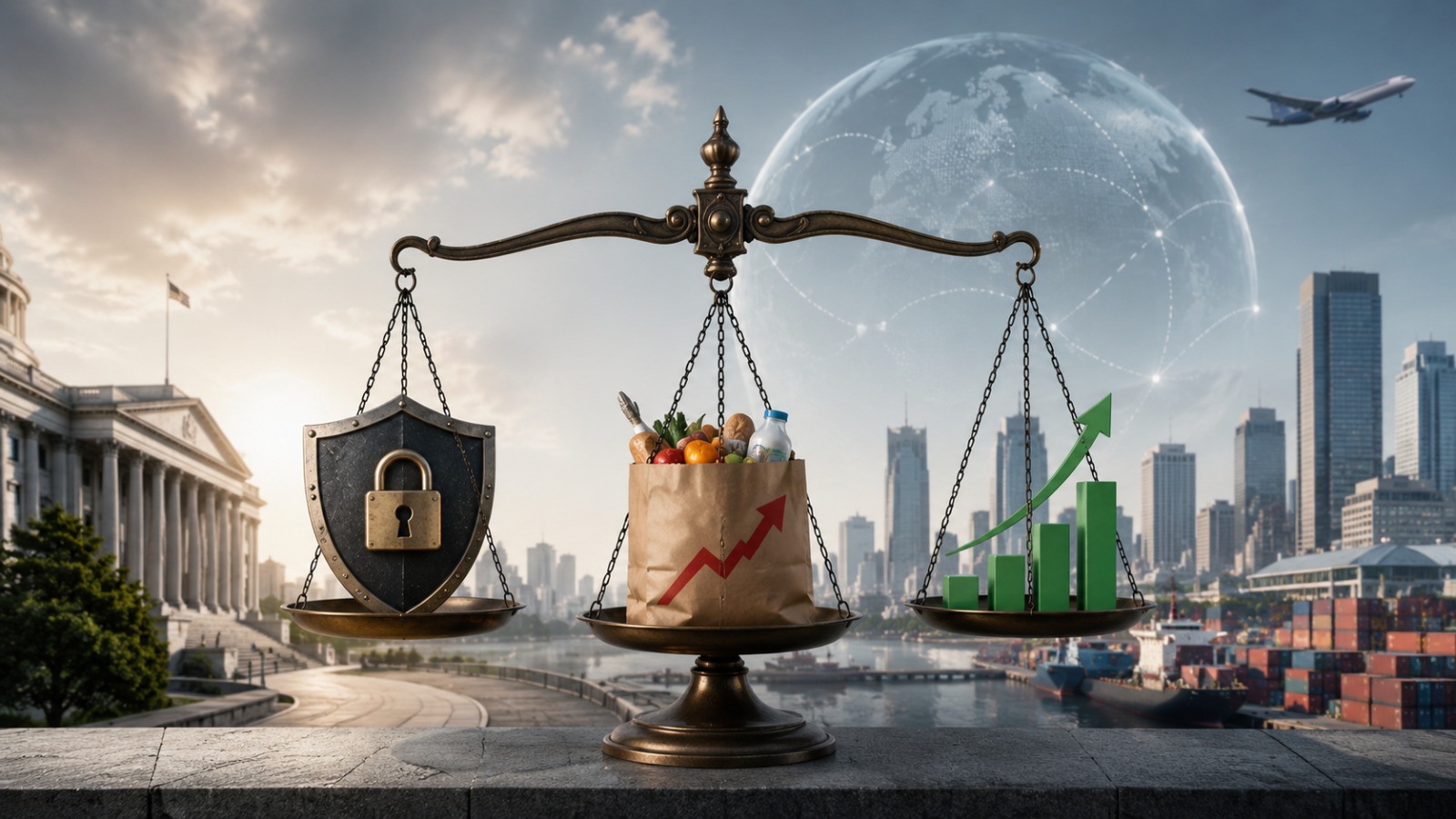
For many governments, the challenge now lies in balancing security considerations with economic objectives. While geopolitical risks have moderated, concerns regarding inflation, public debt, productivity growth and investment remain central to policy discussions.
Several administrations have highlighted the importance of maintaining vigilance against future disruptions while pursuing policies designed to support economic expansion and business confidence. Measures under consideration include infrastructure investment, industrial development programmes and initiatives aimed at improving energy resilience.
Political analysts note that voters in many countries remain highly sensitive to economic conditions. Rising living costs, housing affordability concerns and employment prospects continue to influence public sentiment, making economic performance a key political priority.
The recent decline in energy prices has provided some relief for policymakers seeking to address inflationary pressures without undermining growth. Lower transportation and production costs could support both businesses and consumers if current market conditions persist.
Business organisations have urged governments to use the current period of relative stability to advance reforms that strengthen competitiveness, improve investment environments and reduce regulatory uncertainty. Corporate leaders argue that predictable policy frameworks remain essential for long-term planning and capital allocation.
Economists say the coming months will test whether governments can successfully transition from crisis management toward growth-oriented policymaking. The ability to sustain investor confidence while addressing structural economic challenges will be closely scrutinised by financial markets.
For political leaders, the current environment presents both an opportunity and a risk. Diplomatic progress has improved economic conditions, but expectations for policy delivery are also rising.
As geopolitical tensions recede, attention is increasingly shifting toward a familiar question: whether governments can convert stability into durable economic progress for businesses, investors and households alike.