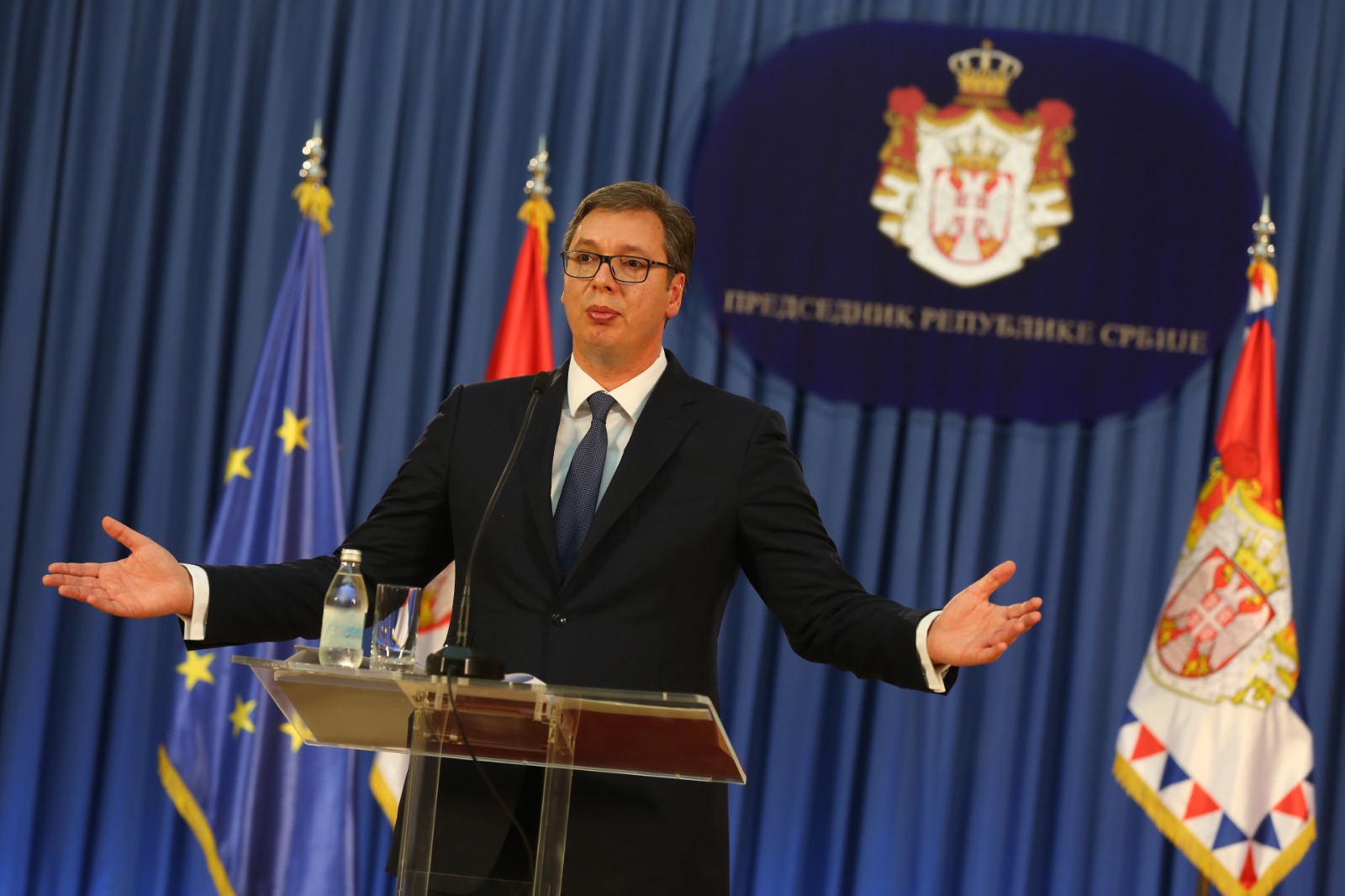

Political leaders are balancing security priorities with growing concerns over inflation, energy prices and business confidence as renewed uncertainty influences financial markets and international trade. The challenge reflects the increasingly close relationship between geopolitical developments and economic policymaking.
Several governments have intensified diplomatic engagement aimed at reducing regional tensions while simultaneously preparing measures to protect domestic economies from potential external shocks. Policymakers are monitoring fuel prices, transportation costs and supply-chain developments that could affect inflation and household spending.
Business organisations have urged governments to provide policy clarity during a period of heightened uncertainty, warning that prolonged instability may discourage investment, delay infrastructure projects and increase financing costs for both public and private sectors.
Economists note that political decision-making now carries immediate economic implications. Fiscal policy, trade measures and international diplomatic initiatives increasingly influence market confidence alongside traditional macroeconomic indicators.
Financial institutions are closely watching government responses for signals regarding energy security, fiscal support and regulatory stability. Investors generally favour policy consistency and coordinated international action during periods of geopolitical volatility.
The current environment has also renewed debate around economic resilience. Governments are placing greater emphasis on strategic industries, domestic manufacturing capabilities and critical infrastructure investments as part of broader national security strategies.
Analysts argue that successful policymaking will depend on balancing short-term crisis management with long-term structural reform. Maintaining investor confidence while protecting economic growth requires credible fiscal frameworks, transparent communication and sustained international cooperation.
For businesses, political stability remains a critical factor influencing investment decisions and operational planning. For governments, the ability to manage both security risks and economic expectations is likely to become an increasingly important measure of policy effectiveness in an interconnected global economy.
As geopolitical uncertainty persists, policymakers face the challenge of ensuring that responses designed to enhance national security also support sustainable economic resilience and long-term competitiveness.